
Canada’s tourism sector is entering 2026 with a mixture of optimism and caution as the country seeks to rebuild visitor numbers, diversify tourism offerings, and strengthen economic contributions from both domestic and international travelers. Following years of disruption caused by the COVID‑19 pandemic, combined with geopolitical shifts and fluctuating global travel patterns, industry stakeholders are focusing on sustainability, digital innovation, and strategic marketing to secure long-term growth.
Preliminary data indicate that tourism traffic in early 2026 is on the rise, with major urban centers such as Toronto, Vancouver, Montreal, and Calgary experiencing significant increases in hotel occupancy, cultural attractions, and culinary tourism. International visitor arrivals are gradually returning, driven by strong interest from the United States, Europe, and increasingly, Asia-Pacific markets. Countries such as China, South Korea, and Japan have shown growing engagement, reflecting the reopening of borders and targeted marketing campaigns by Destination Canada and regional tourism boards.
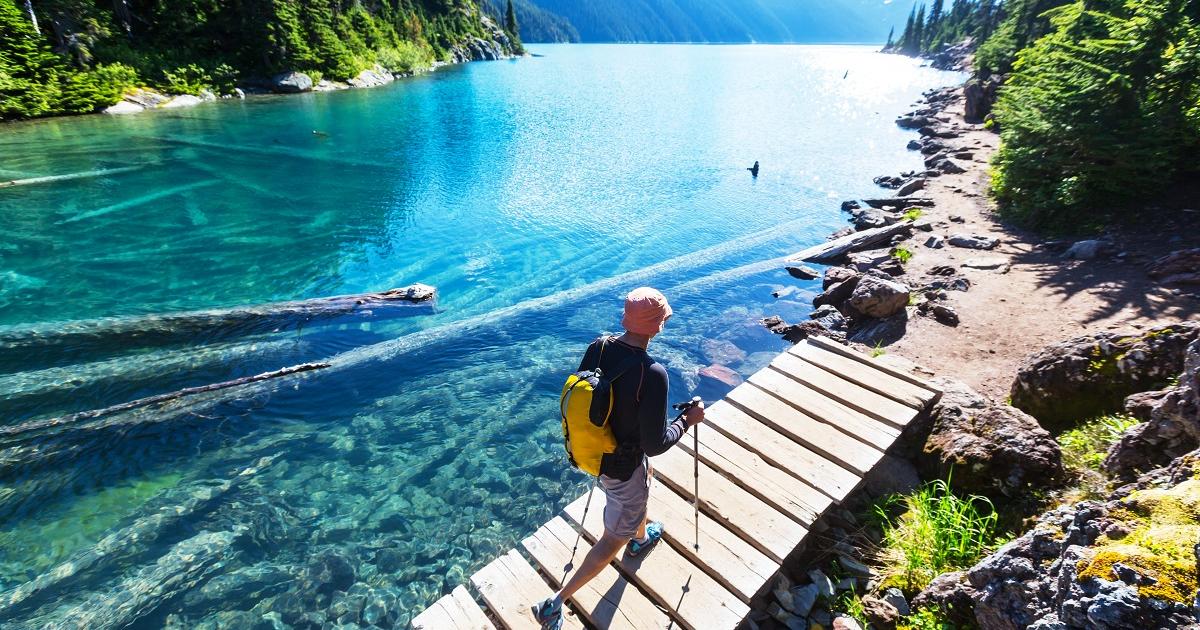
Tourist behavior in 2026 demonstrates a shift towards experiential, eco-conscious, and technology-driven travel. Visitors are seeking authentic cultural experiences, outdoor adventures, and sustainable lodging options. Canada’s natural assets, including national parks, mountain ranges, lakes, and wildlife reserves, are central to this trend. Regions such as Banff, Jasper, and the Atlantic provinces are benefiting from growing interest in nature-based tourism and adventure travel, supported by infrastructure improvements and enhanced visitor services.
Tourism contributes significantly to Canada’s economy, supporting millions of jobs and generating billions in GDP. In 2026, efforts to distribute tourism benefits beyond major urban hubs are evident, with investment in regional marketing, airport connectivity, and local experiences. Indigenous tourism initiatives are also gaining traction, promoting cultural heritage, crafts, and authentic storytelling, which not only attract visitors but support local communities and sustainable development.
The tourism sector in Canada is increasingly leveraging technology to enhance visitor engagement and streamline operations. AI-powered trip planning, digital ticketing, personalized recommendation systems, and immersive virtual experiences are becoming standard tools for operators. Social media campaigns, influencer partnerships, and targeted advertising are helping Canada remain competitive in a highly dynamic global travel market. Data analytics is also being used to predict trends, optimize capacity, and measure economic impact, allowing operators and policymakers to make informed strategic decisions.
Despite the positive trajectory, Canada’s tourism industry faces ongoing challenges. Global economic uncertainty, exchange rate fluctuations, climate change impacts, and labor shortages in hospitality and service sectors require adaptive strategies. High demand for accommodations and transportation in peak seasons necessitates infrastructure investments and workforce planning to prevent bottlenecks. Moreover, Canada must navigate competition from other destinations offering similar natural and cultural attractions, while ensuring sustainable management of sensitive ecological areas.
Looking forward, 2026 represents a critical year for Canada’s tourism recovery and long-term positioning. Key priorities include diversifying markets beyond traditional sources, integrating sustainability and climate resilience into tourism planning, and fostering innovation in visitor experiences. Public-private collaboration, digital transformation, and inclusive community-based tourism initiatives are central to Canada’s ability to maintain competitiveness. The combination of natural beauty, cultural richness, and growing digital sophistication positions Canada as a compelling global destination. However, realizing this potential will require coordinated efforts across federal, provincial, and local stakeholders, ensuring that tourism continues to contribute economically while supporting environmental stewardship and social development.
#CanadaTourism #TravelCanada #SustainableTourism #AdventureTravel