
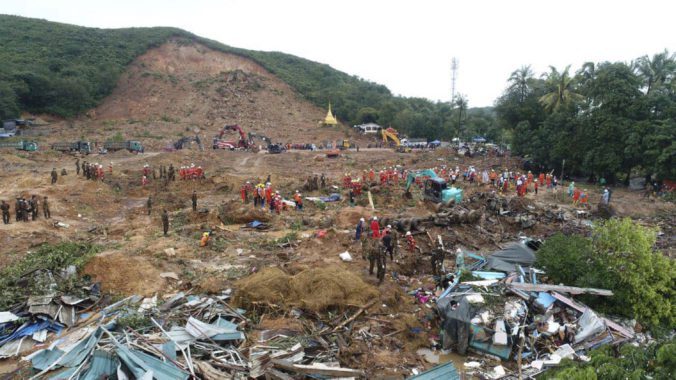
A powerful landslide triggered by heavy rainfall has devastated a village in Indonesia’s West Java province, killing at least 17 people and leaving more than 70 missing, according to disaster management officials. The disaster struck the village of Pasirlangu early Saturday, burying homes under mud and debris and displacing hundreds of residents.
Rescue efforts under constant threat
Search-and-rescue teams are working around the clock, using heavy machinery to dig through thick layers of mud. However, unstable ground and ongoing rain have made operations extremely dangerous. Officials warn that further landslides could occur at any moment, forcing rescuers to proceed with extreme caution.
Relatives of the missing have gathered near the site, hoping for news. One family member told local officials that survival is unlikely after so much time has passed, underscoring the emotional toll of the disaster.
Widespread destruction
Authorities report that more than 50 homes have been severely damaged, leaving over 650 people homeless. Emergency shelters have been set up, but resources are stretched thin. Aid agencies are providing food, clean water, and medical assistance to those affected.
Climate and geography amplify risks
Indonesia is highly vulnerable to natural disasters due to its geography and climate. West Java, in particular, experiences frequent landslides during the rainy season. Experts note that climate change is increasing the intensity of rainfall, making such disasters more frequent and severe.
Looking ahead
The landslide has renewed calls for stronger disaster preparedness and land-use planning. While immediate efforts focus on rescue and relief, long-term solutions will be critical to preventing similar tragedies in the future.