
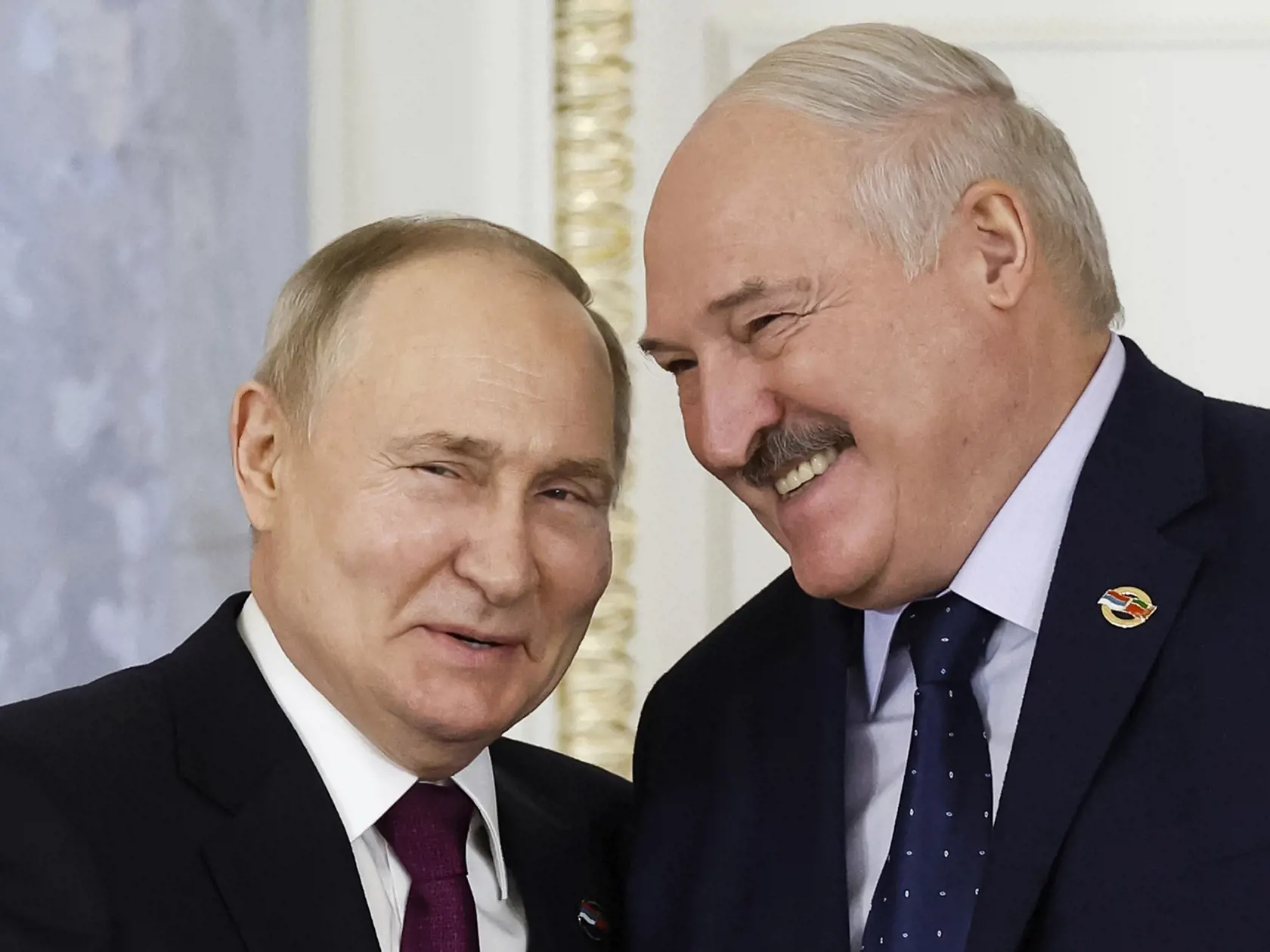
Belarus’s relationship with Russia has deepened significantly in recent years, evolving into a highly integrated political, economic, and military partnership. Bound by the Union State framework, the two countries have expanded cooperation in defense planning, intelligence sharing, energy policy, and financial coordination.
Since 2022, security integration has intensified. Belarus has hosted Russian troops, conducted joint military exercises, and permitted the deployment of advanced weapons systems on its territory. Moscow has also provided financial support and preferential energy pricing, helping Belarus cushion the impact of Western sanctions.
While President Alexander Lukashenko publicly emphasizes Belarusian sovereignty, analysts argue that Minsk’s room for independent maneuvering has narrowed. Economic isolation from Western markets has increased Belarus’s reliance on Russia for trade routes, credit, and industrial cooperation.
At the same time, Russia benefits strategically from Belarus’s geographic position, which provides a buffer zone and extended military reach toward NATO’s eastern flank. The relationship is therefore mutually strategic but asymmetrical, with Moscow holding significantly greater leverage.
Looking ahead, the trajectory of Belarus–Russia relations will depend on both internal stability in Belarus and the broader outcome of the war in Ukraine. For now, integration appears likely to deepen further rather than loosen.
#Belarus #Russia #UnionState #Security #Geopolitics