
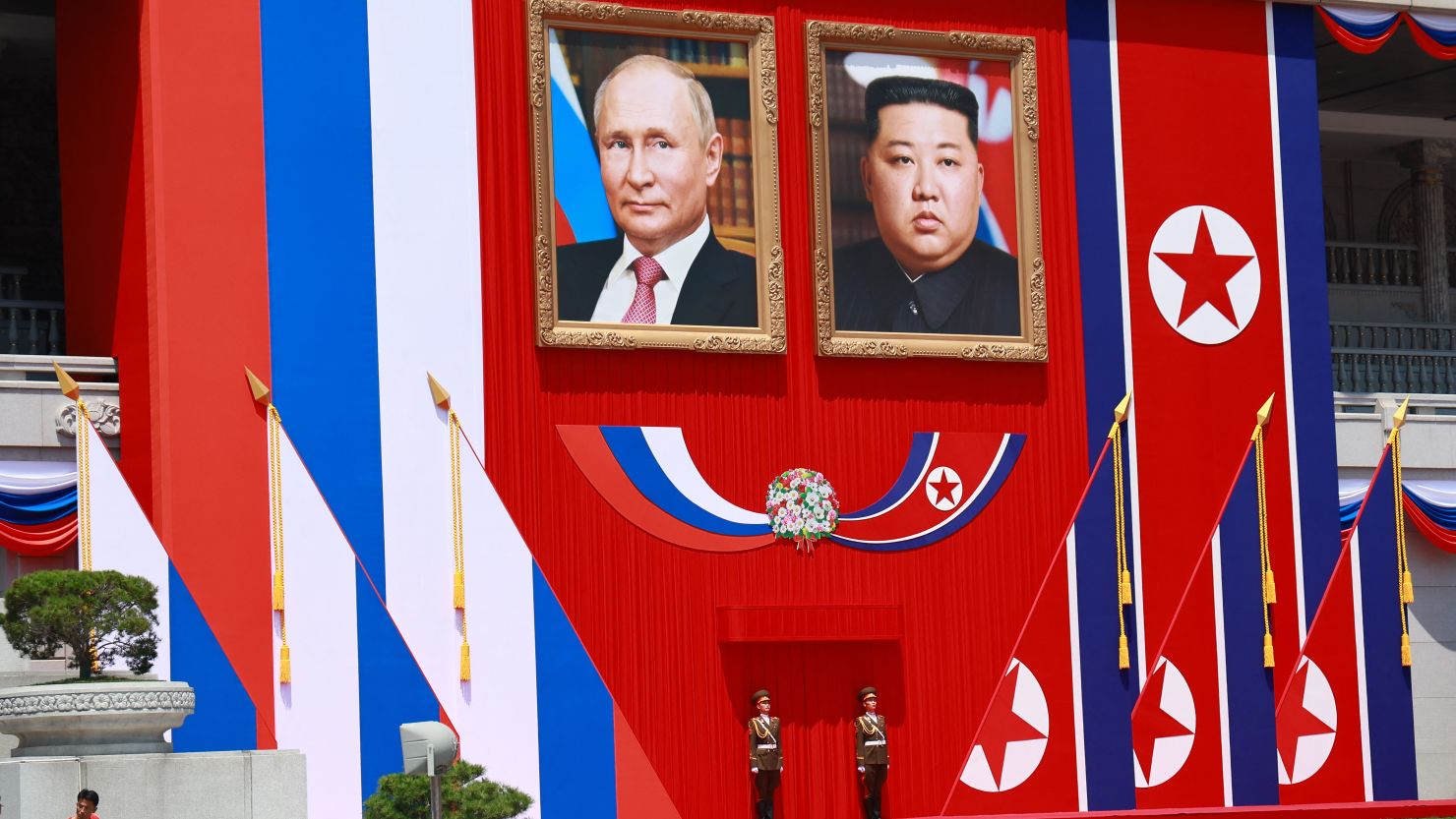
Hospodárske a strategické vzťahy medzi Kóreou a Ruskom sa v posledných rokoch posilnili, čo odráža geopolitické kalkulácie oboch národov. Zatiaľ čo Severná Kórea naďalej čelí medzinárodným sankciám a ekonomickej izolácii, jej partnerstvo s Ruskom poskytuje kľúčové cesty pre obchod, investície a výmenu zdrojov, čo zase posilňuje odolnosť a strategické postavenie Pchjongjangu.
Trade between the two countries primarily focuses on energy, raw materials, and infrastructure. Russia supplies North Korea with oil, fuel, and technical expertise, enabling the isolated nation to sustain key industries and partially mitigate the effects of sanctions. In return, Russia gains access to strategic regional resources, logistical routes, and political leverage in East Asia. Analysts note that these economic exchanges are often intertwined with military and diplomatic coordination, creating a multi-layered partnership that serves both domestic and international objectives.
North Korea benefits economically by diversifying its external partnerships beyond China, which has traditionally been its largest ally. This diversification reduces dependence on a single partner and allows Pyongyang to negotiate more flexibly with other global powers, including the United States, South Korea, and Japan. For Russia, economic engagement with North Korea reinforces its influence in the region, serving as a counterweight to U.S. and allied policies in East Asia.
Beyond trade, infrastructure projects and joint ventures are emerging as a key aspect of cooperation. Analysts suggest that Russia could assist in modernizing North Korean ports, transport networks, and energy facilities, thereby strengthening Pyongyang’s domestic capabilities while simultaneously increasing Moscow’s strategic footprint. These projects are often conducted discreetly, but they signal a deepening economic interdependence that complements political and military ties.
The partnership also carries symbolic weight. By engaging economically with North Korea, Russia demonstrates its role as a global power capable of supporting isolated regimes, challenging Western-led diplomatic pressures, and expanding its influence in strategically significant regions. Observers highlight that these moves enhance both countries’ negotiating positions on the international stage, especially during discussions over sanctions, nuclear programs, and regional security arrangements.
However, the economic cooperation comes with challenges. Limited financial transparency, infrastructure constraints, and the ever-present threat of renewed sanctions create risks for both parties. Analysts caution that missteps in the economic relationship could exacerbate instability in North Korea, while also complicating Russia’s broader strategic objectives.
In conclusion, the economic and strategic partnership between North Korea and Russia represents a vital dimension of Pyongyang’s approach to sustaining its regime and pursuing geopolitical influence. Through trade, resource exchange, and infrastructure collaboration, Russia provides a critical lifeline for North Korea while securing its own strategic leverage in East Asia. This multifaceted relationship underscores the complexity of regional geopolitics, highlighting the interplay between economics, diplomacy, and security in shaping the future of the Korean Peninsula.
#NorthKorea #Russia #Putin #EconomicCooperation #StrategicLeverage #Trade #Energy #Geopolitics #EastAsia #RegionalSecurity