
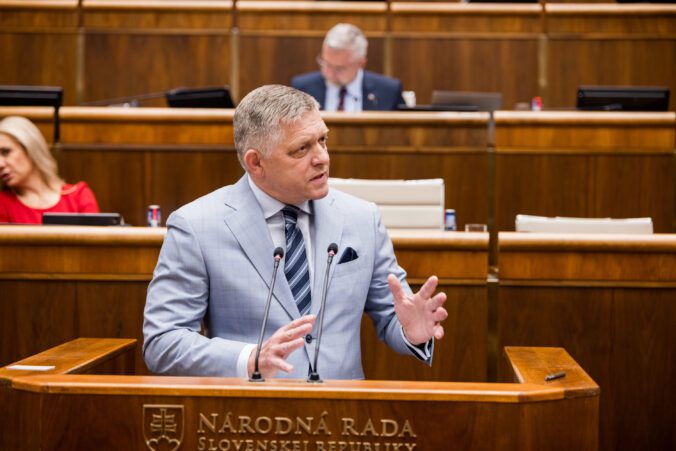
BRATISLAVA — A growing energy dispute between Slovakia and Ukraine is turning into a significant geopolitical confrontation. The Slovak government signaled it may halt emergency electricity supplies to Ukraine if oil deliveries to Slovakia are not restored. The warning marks one of the strongest diplomatic pressures within the region since the start of the war and underscores how energy infrastructure has become a strategic bargaining tool. More global developments are covered on https://www.liveworldupdates.com/.
The announcement follows disruptions in eastern energy flows that have already affected gas transit and now extend to oil deliveries. Slovak officials argue that the interruptions have created logistical complications and economic losses, placing additional pressure on refineries and supply chains. The dispute highlights how interconnected Central European energy networks remain despite years of diversification efforts.
Humanitarian Aid Meets Political Reality
Since the outbreak of the conflict, Slovakia has provided humanitarian assistance, hosted Ukrainian refugees, and supplied emergency electricity to stabilize Ukraine’s power grid during repeated attacks on its energy infrastructure.
Energy experts note that emergency transfers became especially important during winter periods when demand surged and domestic production fell short. According to government statements, stabilization interventions in early 2026 were already significantly higher than in the previous year, reinforcing Kyiv’s dependence on cross-border support.
However, Bratislava now links continued assistance to restored oil flows, turning humanitarian cooperation into conditional diplomacy. Analysts describe this as a shift from solidarity-based support to transactional relations shaped by domestic economic pressures.
Wider Political Implications
The dispute extends beyond energy supply. Slovakia also refused participation in a new European financial and military assistance package for Ukraine, signaling broader tension within the European Union over burden-sharing and strategic priorities.
Energy analysts warn that such bilateral conflicts can ripple across the EU market. Electricity grids across Europe are synchronized, meaning supply restrictions in one area may indirectly affect pricing and stability elsewhere. Markets typically react quickly to uncertainty, potentially increasing costs for households and industry.
Energy as a Strategic Weapon
The confrontation illustrates a broader global trend: energy infrastructure is increasingly used as leverage in international relations. Pipelines, power interconnectors, and fuel transit routes have become geopolitical instruments capable of influencing negotiations without direct military involvement.
For Ukraine, maintaining stable imports remains essential for grid resilience. For Slovakia, securing reliable oil supply is a domestic economic priority. The outcome will therefore test whether regional cooperation can withstand wartime pressures — or whether energy security will further fragment European unity.