
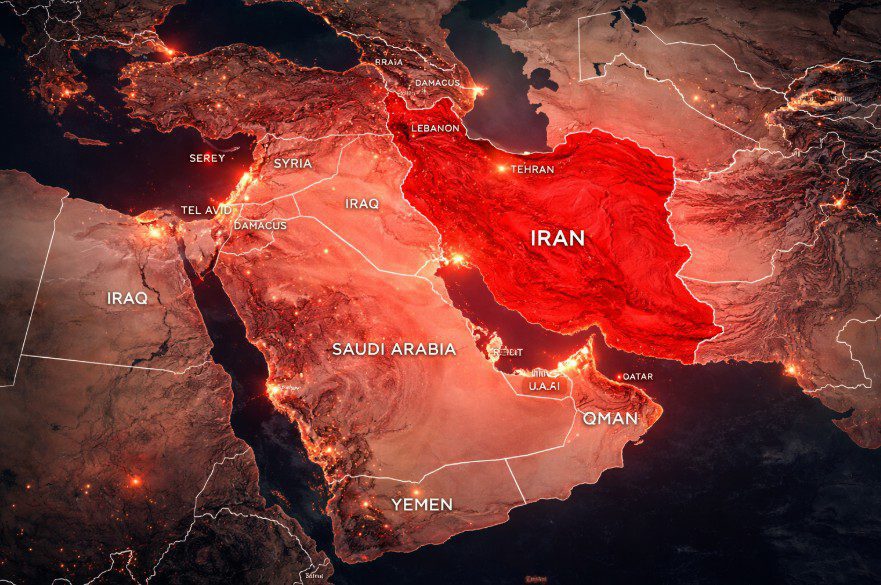
Unexpected Signals from Tehran amid Rising Tensions
Amidst the chaos of explosions, diplomatic declarations, and heightened tensions between Iran, Israel, and the United States, a report has surfaced that could fundamentally alter the interpretation of the entire conflict. Allegedly, Iran’s intelligence agency reached out to the American CIA through indirect channels, hinting at a willingness to negotiate an end to the war.
If this information holds true, it raises a pivotal question: was the conflict closer to a diplomatic resolution than publicly acknowledged?
Diplomacy in the Shadow of Missiles
According to security sources, Iranian officials reportedly signaled their readiness to discuss de-escalation. This communication occurred through intelligence channels rather than official diplomatic routes. Such methods are not uncommon in international politics, where intelligence services often play the role of quiet intermediaries when official negotiations are politically untenable.
Under the pressure of U.S.-Israeli attacks on its military and nuclear targets, Tehran publicly responded with harsh rhetoric, while simultaneously seeking ways to avert uncontrollable escalation.
Strategic Communication or Tactical Maneuver?
The question remains whether this was a sincere attempt at de-escalation or a tactical move to buy time. Iran is known for its ability to combine hardline statements with pragmatic, behind-the-scenes actions.
Some analysts suggest that Tehran recognized the risks of direct confrontation with the United States, facing a technologically superior military force and the potential weakening of its regional allies.
Conversely, Washington might have been skeptical of Iran’s intentions. History has shown that intelligence signals do not necessarily translate to immediate shifts in official policy.
The Role of the CIA and Secret Channels
The CIA has a long history of backchannel contacts in conflict regions. These communication channels allow parties to test each other’s willingness without public political commitments.
If Iran indeed indicated a readiness to negotiate, it could have been an attempt to open the door to indirect talks. The question is whether these signals were captured in time and whether the political leadership on both sides had the space to respond.
Regional Implications
Meanwhile, tensions have spread to Lebanon, where the conflict between Hezbollah and Israel has intensified. Each further escalation narrows the diplomatic maneuvering space.
If it turns out that there was a real possibility of negotiations, it could cast doubt on the timing and intensity of military operations.
Global Context
The Middle East is once again a focal point where global power interests converge. European states call for de-escalation, while regional actors pursue their own security calculations.
The covert communication between Iran and the CIA could indicate that neither side desires a prolonged war. However, in the dynamics of modern conflicts, a single incident can cause diplomatic efforts to fail.
For the latest analyses on the conflict’s developments and behind-the-scenes negotiations, visit https://www.liveworldupdates.com/, where we provide global security news.
Geography of the Event:
Continent: Asia / North America
Country: Iran / USA
City: Tehran / Washington D.C.
#Iran #CIA #Diplomacy #MiddleEast