
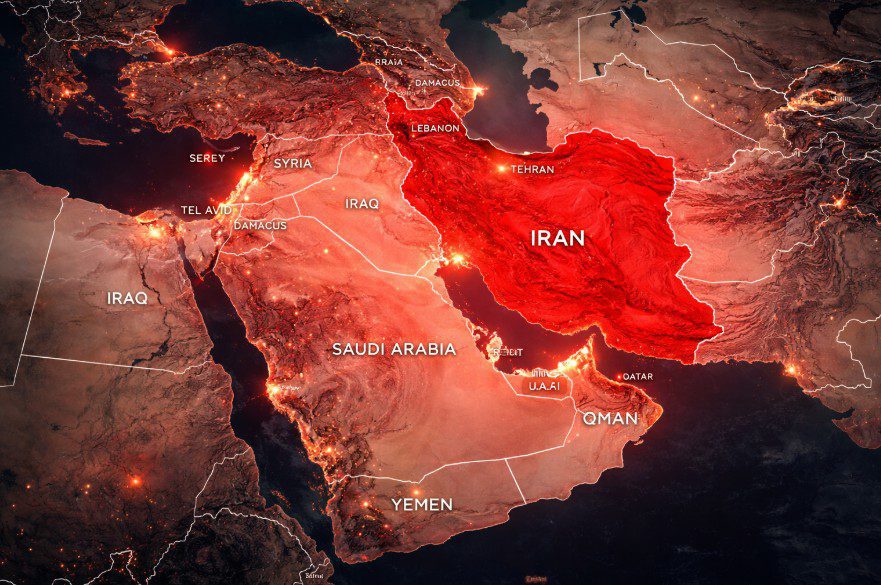
Iran’s Stance on US Relations: A Bitter Experience
In a striking development, Iran has signaled its unwavering skepticism towards the United States. Foreign Minister Abbas Araghchi recently declared that Tehran has a “very bitter experience” from negotiations with the US, further stating that Iran will continue its attacks “as long as necessary.” This declaration comes amid escalating tensions in the Middle East, where recent months have seen an increase in security incidents, including drone and missile attacks.
Observers note that this is one of the most vehement diplomatic signals from Tehran in recent times. The situation is complicated by the region’s fragile stability, which could be further endangered by Iran’s aggressive posture.
Historical Context of Iran-US Tensions
The relationship between Iran and the United States has been fraught with tension for decades. A pivotal moment was the 2015 nuclear agreement, known as the Joint Comprehensive Plan of Action (JCPOA), intended to curb Iran’s nuclear program in exchange for lifting sanctions. However, the landscape shifted dramatically in 2018 when President Donald Trump’s administration withdrew from the accord and reinstated economic sanctions on Iran.
Since then, multiple diplomatic efforts have attempted to revive dialogue but to no lasting success. Iran has simultaneously ramped up its nuclear activities and bolstered its military capabilities, further straining relations.
Regional Implications and Security Concerns
The Iranian foreign minister’s rhetoric emerges at a time when the Middle East is seen as one of the most unstable regions globally. Conflicts and geopolitical rivalries abound, posing risks to strategic transport routes, energy supplies, and regional stability.
Iran plays a crucial role in regional politics, and its actions often impact the security landscape from the Persian Gulf to the Eastern Mediterranean. Security experts suggest that Tehran’s hardline rhetoric might be an attempt to strengthen its negotiating position in any future talks.
For ongoing geopolitical analyses and updates on developments in the region, visit [Live World Updates](https://www.liveworldupdates.com/).
Diplomacy Versus Escalation
The international community has long advocated for a diplomatic resolution to disputes with Iran. European nations and other global actors strive to keep communication channels open to avert broader conflict. Some analysts suggest that despite the harsh rhetoric, Iran may still be leaving room for future diplomatic negotiations. The hard stance could be part of a broader strategy to enhance domestic support and negotiating leverage.
Analytical Conclusion
The statements from Iran’s foreign minister reflect a deep-seated distrust between Tehran and Washington, which has only intensified in recent years. The continuation of attacks and aggressive diplomatic posturing could escalate regional tensions, yet they also underscore the fragile geopolitical balance in the Middle East.
The future trajectory will rely on a blend of diplomatic initiatives, the regional security environment, and the willingness of key players to renew dialogue.
Geography: Asia – Iran – Tehran
#Iran #MiddleEast #USRelations #Diplomacy #Geopolitics