
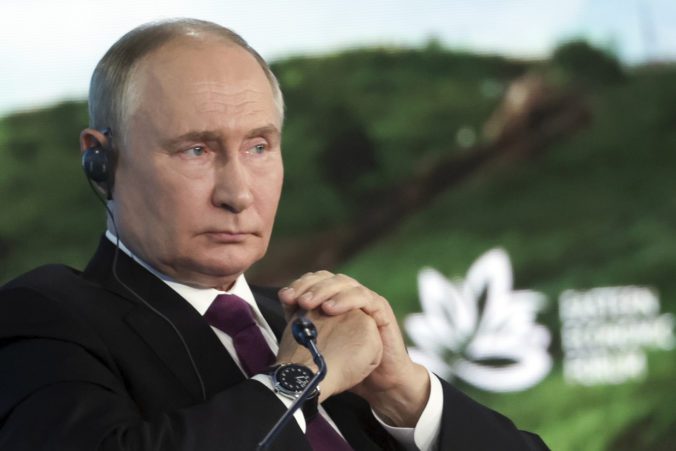
Unexpected Diplomatic Moves: Hungary’s Offer to Russia
In a surprising turn of events, Hungarian Prime Minister Viktor Orbán has reportedly extended an offer of assistance to Russian President Vladimir Putin “in any way possible.” This development comes amidst the ongoing conflict in Ukraine, raising eyebrows and questions across Europe. As the geopolitical landscape continues to shift, Hungary’s foreign policy is now under the spotlight, potentially affecting its standing within the European Union and NATO.
The Underlying Context of a Controversial Offer
The news of Orbán’s offer arrives at a critical juncture for Russia, which remains under heavy international sanctions and military pressure. Given Hungary’s status as an EU and NATO member, any diplomatic overtures towards Moscow carry significant symbolic weight. This move could be seen as a test of Hungary’s commitment to the collective security and solidarity principles that underpin these alliances.
Hungary has long positioned itself as a nation prioritizing sovereignty and national interests. However, critics argue that its close ties with Moscow could weaken the unity of the European bloc, especially in the face of Russian aggression. This latest development could further strain Hungary’s relationships with its Western allies, sparking debates over the country’s diplomatic direction.
Energy Dependencies: A Driving Factor?
A key aspect of Hungary’s relationship with Russia is its energy dependency. Hungary relies heavily on Russian gas and oil, securing long-term contracts that offer price stability. This dependency may significantly influence Hungary’s pragmatic approach towards Moscow. Analysts suggest that energy security could be a crucial factor motivating Orbán’s seemingly bold diplomatic gestures.
Potential Repercussions from the EU and NATO
Should the assistance offered by Orbán extend beyond mere diplomatic communication, it could lead to tensions within NATO. The alliance is built on the principles of solidarity and collective security, and any divergence from these principles by a member state could be cause for concern. As of now, there are no officially confirmed details regarding the specifics of the communication between Hungary and Russia, leaving many in suspense about the true extent of the offer.
Domestic Political Implications
Orbán’s government is facing pressures both domestically and internationally. His tougher stance towards Brussels has been a hallmark of his political identity. The question now is whether these reports of offering assistance to Russia will bolster his position at home or further isolate Hungary on the international stage. The domestic political repercussions of this move could be significant, influencing Orbán’s future strategies and Hungary’s diplomatic trajectory.
Conclusion: Hungary at a Crossroads
As Hungary finds itself at the center of geopolitical discussions once again, the potential offer of assistance to Moscow could have lasting implications for Budapest’s role within the European Union and NATO. If confirmed, this move could redefine Hungary’s international relations and challenge its alignment with Western allies. For the latest geopolitical developments, stay informed with Live World Updates.
Geography of the Event:
Continent: Europe
Countries: Hungary / Russia
Cities: Budapest / Moscow
#HungaryRussiaRelations #Geopolitics #EUandNATOTensions #EnergyDependence #AktualizovaneSpravodajstvo