
Key points:
- Iran confirms Strait of Hormuz remains open during ceasefire
- Donald Trump claims Tehran will not use the route as leverage
- US naval blockade of Iranian ports remains in place
- Global energy markets react with cautious relief
Introduction
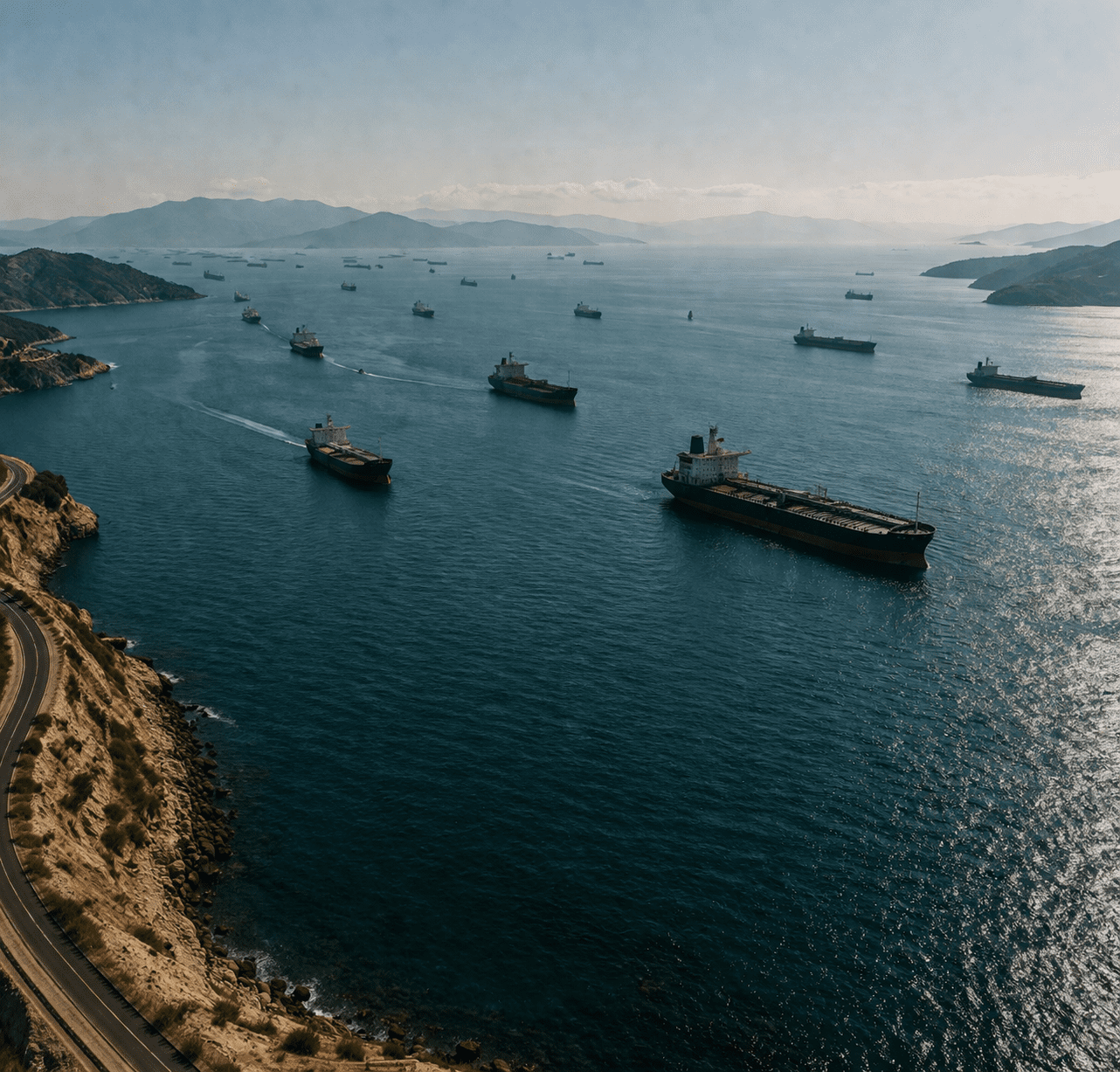
One of the world’s most critical energy chokepoints remains open — but the geopolitical tension surrounding it has not disappeared. The Strait of Hormuz continues to operate normally, offering short-term stability to global markets, even as political signals from Washington and Tehran remain mixed.
Main section
Iran’s Foreign Minister Abbas Araghchi confirmed that commercial vessels can continue to pass through the Strait of Hormuz without restriction during the current ceasefire period. The move is linked to a temporary truce in Lebanon, designed to reduce tensions and allow diplomatic engagement.
Tehran has also introduced structured maritime routes to manage traffic through the strait. These designated corridors aim to ensure safety and maintain control over one of the world’s most strategically sensitive waterways.
The Strait of Hormuz is essential for global energy supply. Roughly a fifth of the world’s oil passes through this narrow channel, making it a critical artery for international trade. Any disruption would immediately impact fuel prices, inflation and economic stability — particularly in energy-dependent regions such as Europe and Asia.
Former US President Donald Trump added a new dimension to the situation. In a series of public statements, he claimed that Iran had agreed never to use the strait as a geopolitical weapon again. However, no official confirmation of such a commitment has been issued by Iranian authorities.
At the same time, Trump emphasized that the US naval blockade targeting Iranian ports in the Persian Gulf and Gulf of Oman remains in force. According to his statements, these measures will continue until a comprehensive agreement with Iran is fully finalized.
This dual reality highlights a complex geopolitical dynamic. On one hand, Iran’s decision to keep the strait open signals a willingness to stabilize the region and avoid escalation. On the other, continued US pressure indicates that underlying tensions remain unresolved.
Energy markets have responded with cautious optimism. Oil prices have stabilized in the short term, reflecting reduced immediate risk. However, analysts warn that the situation remains fragile, with long-term stability dependent on concrete diplomatic outcomes rather than political messaging.
For global observers and policymakers, the developments underline the delicate balance between economic interests and strategic rivalry. The Strait of Hormuz continues to serve not only as a vital trade route but also as a symbol of broader geopolitical competition.
Analytical conclusion
Keeping the Strait of Hormuz open provides temporary reassurance to global markets, but it does not resolve the deeper strategic tensions between Iran and the United States. As long as sanctions and military pressure remain in place, the risk of renewed instability persists. The coming weeks will be critical in determining whether current signals lead to a lasting agreement or remain part of a tactical pause.