
Key facts:
- Ukraine signals readiness to resume oil transit via Druzhba pipeline
- Hungary links EU loan approval to restoration of oil supplies
- Slovakia warns it may block new EU sanctions without resumed flows
- Political changes in Hungary could reshape the dispute
Europe’s energy and political tensions are once again converging around a single strategic artery: the Druzhba oil pipeline. The latest developments suggest a potential breakthrough, but only under strict conditions that tie energy flows directly to financial and political decisions within the European Union.
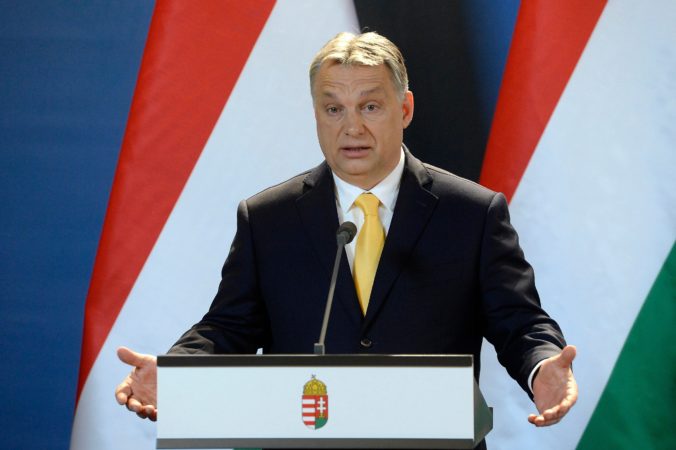
Hungarian Prime Minister Viktor Orbán заявил, что Украина готова восстановить транзит российской нефти через трубопровод «Дружба» в ближайшее время. По его словам, информация поступила через каналы Европейского союза. Однако Киев выдвинул ключевое условие: Будапешт должен прекратить блокировать многомиллиардную финансовую помощь ЕС для Украины.
Orbán’s response was unequivocal. Hungary is prepared to lift its objections, but only once oil deliveries resume. The position reflects a broader strategy in which Budapest uses its veto power within EU institutions to secure concessions on issues critical to its national interests, particularly energy security.
Ukrainian President Volodymyr Zelensky indicated that the pipeline could be partially operational again by the end of April. While technical repairs are ongoing, Kyiv has emphasized that the restoration will initially be limited, suggesting that full capacity may take longer to achieve. The interruption of flows since late January has had significant implications for countries heavily dependent on pipeline imports.
Hungary and Slovakia have consistently argued that the halt in deliveries is politically motivated rather than purely technical. Kyiv, however, frames the situation within the broader context of the ongoing war with Russia, where infrastructure, logistics, and security considerations remain deeply intertwined.
The dispute has also spilled over into wider EU policymaking. Hungary has been blocking not only the financial package for Ukraine but also the adoption of a new sanctions round targeting Russia. Slovakia has signaled it may follow a similar path if its energy concerns are not addressed, highlighting fractures within the bloc over how to balance solidarity with national interests.
This standoff underscores a structural vulnerability within the European Union: differing levels of energy dependence. Landlocked countries such as Hungary and Slovakia rely heavily on pipeline systems like Druzhba, making them particularly sensitive to disruptions. In contrast, coastal states have more flexibility through access to alternative supply routes, including liquefied natural gas terminals.
Political dynamics in Hungary could further complicate or potentially ease the situation. The recent electoral success of the opposition Tisza party introduces uncertainty about the country’s future stance. Its leader, Péter Magyar, widely seen as a potential future prime minister, may adopt a more conciliatory approach toward EU institutions, especially if it leads to the unfreezing of EU funds currently withheld from Hungary.
At its core, the dispute illustrates how energy infrastructure has become a powerful geopolitical lever. The Druzhba pipeline, once a symbol of stable supply across Central and Eastern Europe, is now embedded in a broader negotiation involving sanctions, financial aid, and strategic alignment within the EU.
For continued coverage and deeper global analysis, visit https://www.liveworldupdates.com/.