
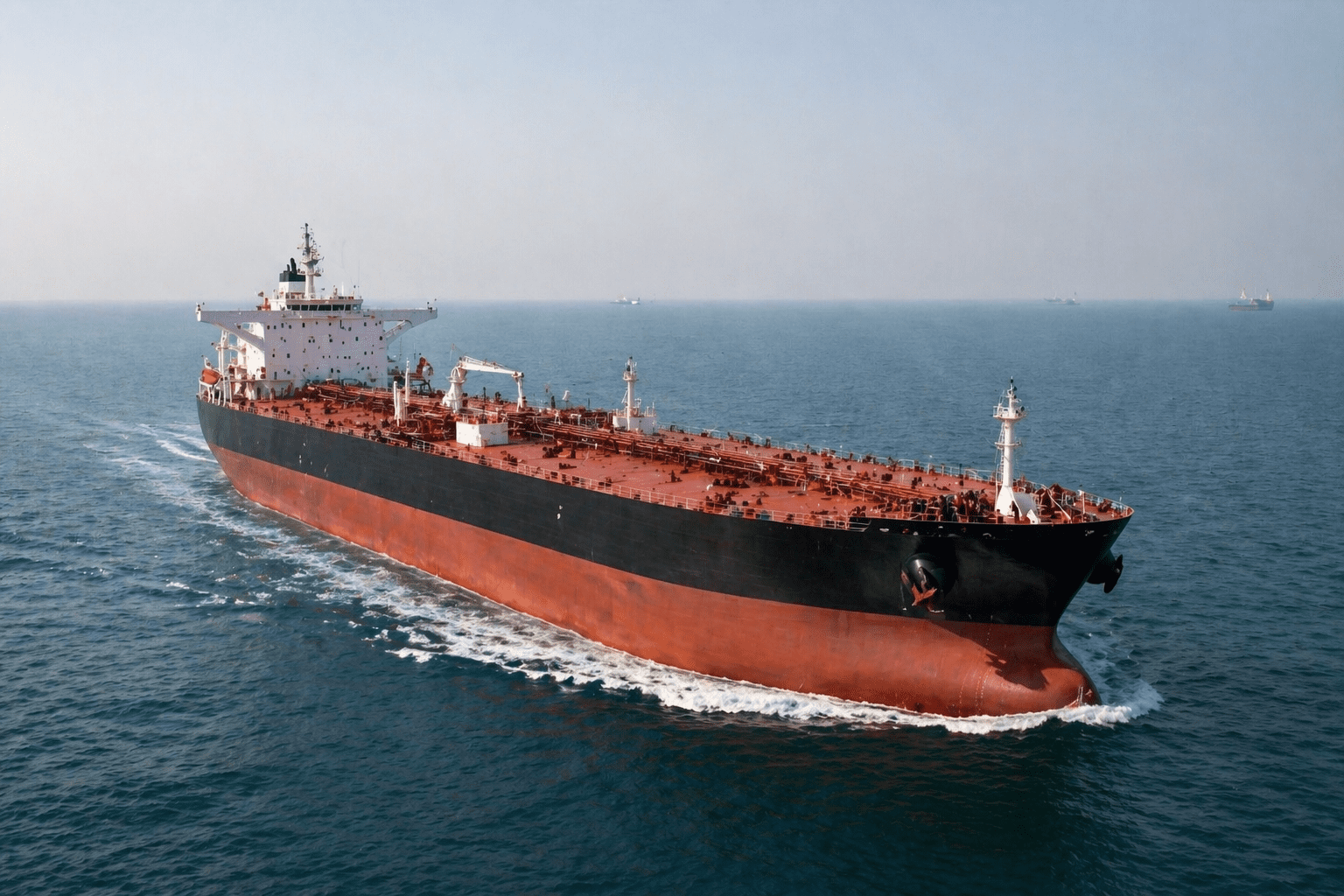
- Hormuz Strait remains closed to maritime traffic
- Iran accuses the US of imposing a blockade
- Essential route for global oil shipments
- Market volatility on the rise
The Hormuz Strait, a critical artery for global trade, finds itself at the heart of a geopolitical storm. With the passage closed, accusations fly as Iran blames the United States for a deliberate blockade.
What Happened?
The closure of the Hormuz Strait has sent shockwaves through global trade networks. Accusations from Iran point to the US, alleging a strategic move to undermine Iran’s economic stability. Washington remains tight-lipped, but tensions are escalating rapidly.
Why It Matters
As a vital channel for the transportation of a significant portion of the world’s oil and gas, the Hormuz Strait plays an indispensable role in the global economy. Its shutdown triggers immediate market reactions and fuels concerns over soaring energy prices.
Broader Context
This closure doesn’t just spell economic distress but also threatens regional security. The potential for conflict looms large, with international bodies urging a return to safe passage and stability. The stakes are high, and the outcome remains uncertain.
Reactions and Potential Outcomes
Countries and energy companies scramble to find alternative routes, but none can fully replace the strategic capacity of the Hormuz Strait. The international community calls for de-escalation, yet the prospect of a wider conflict casts a long shadow.
Analytical Conclusion
The ongoing crisis in the Hormuz Strait underscores its status as a volatile flashpoint in global stability. Future developments will hinge on diplomatic maneuvers and strategic decisions by involved parties. For ongoing insights, visit Live World Updates.
Geography: Asia, Iran, Hormuz Strait
#GlobalTrade #OilSupply #GeopoliticalTensions #AktualizovaneSpravodajstvo