
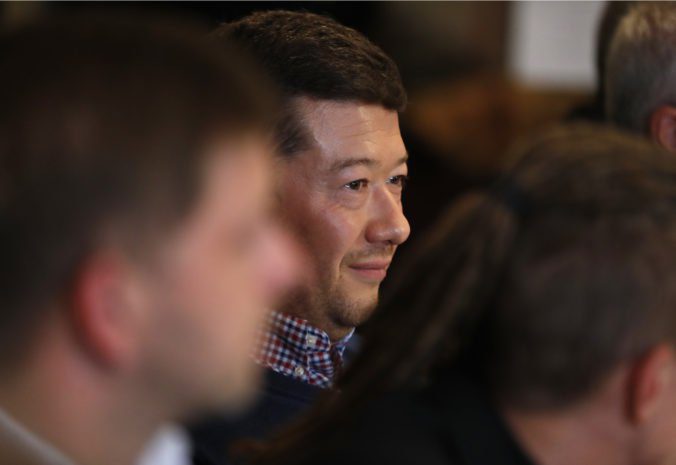
- Tomio Okamura opposes Ukraine’s EU and NATO membership.
- Proposals for “symbolic” EU membership for Ukraine emerge.
- Concerns over security risks and economic burdens are highlighted.
- President Zelenskyy insists on full EU membership for Ukraine.
The prospect of Ukraine joining the European Union and NATO has ignited fierce debate, revealing deep-seated divisions among European leaders.
Ukraine’s Ambitions Meet Resistance
As Ukraine pushes for integration into Western alliances, Czech politician Tomio Okamura has voiced strong opposition. He dismissed the idea of Ukraine joining the EU and NATO, citing significant security concerns and potential economic strains.
Symbolic Membership: A Compromise?
France and Germany have floated the idea of granting Ukraine a “symbolic” membership in the EU—participation without voting rights or access to financial resources. This proposal aims to politically engage Ukraine while avoiding full integration.
The Stakes for Europe
Ukraine’s potential accession poses a dilemma: balancing support for a nation in conflict with Russia against the risks of migration and organized crime. The economic implications could be vast, with fears of increased financial burdens on EU member states.
Voices of Dissent and Support
While Okamura warns of heightened tensions with Russia, Ukrainian President Volodymyr Zelenskyy insists on full membership, asserting Ukraine’s role in safeguarding European security.
Future Scenarios
EU’s enlargement debate is more than a matter of solidarity; it is a test of Europe’s ability to harmonize security, economic interests, and geopolitical strategies. The outcome could redefine the continent’s stability and influence in global affairs.
For further insights into this geopolitical issue, visit Live World Updates.
Geography: Europe, Czech Republic, Prague
#EuropeanUnion #Ukraine #NATO #Geopolitics #AktualizovaneSpravodajstvo