
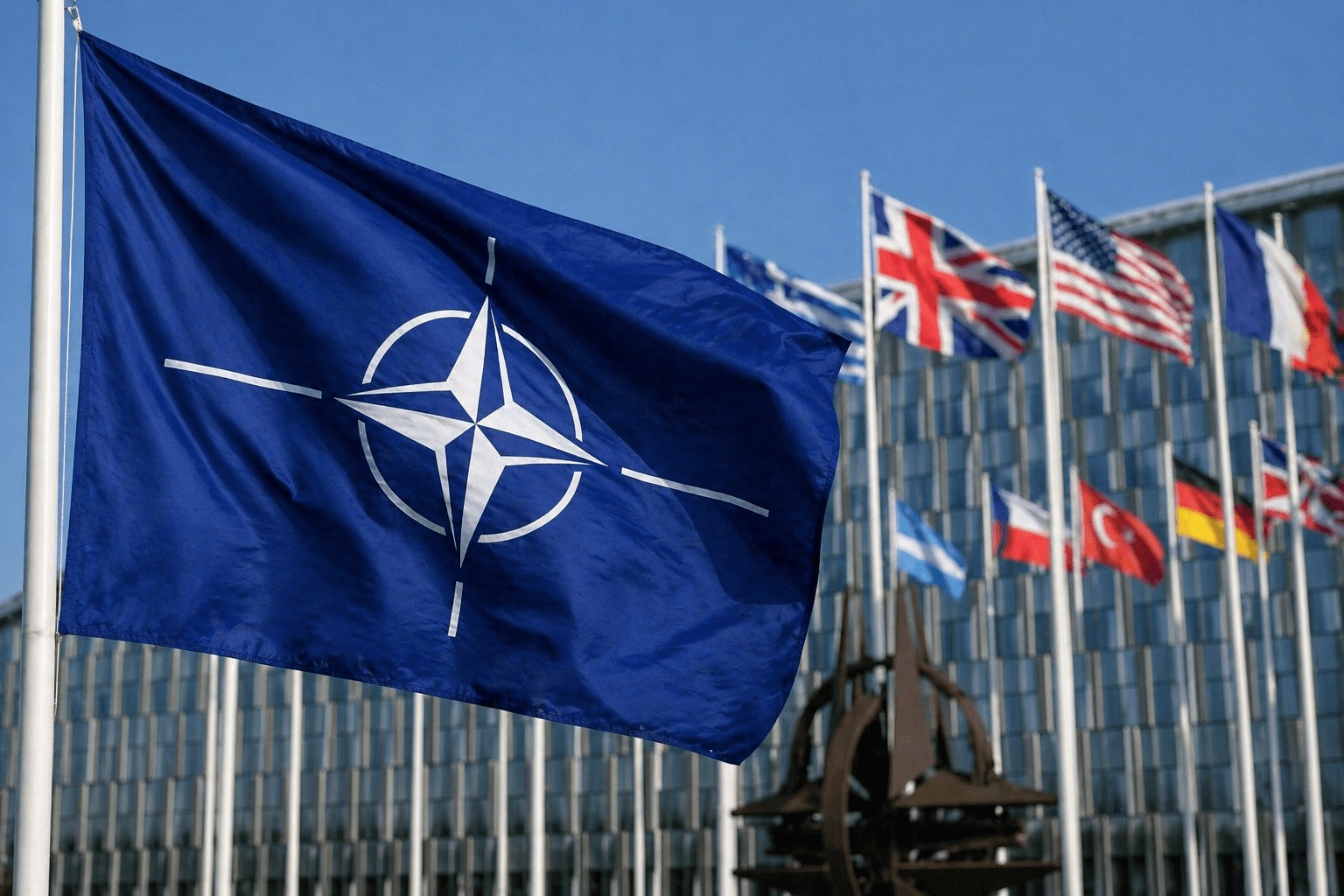
- NATO considers reducing the frequency of summits
- Move aims for greater efficiency amid evolving security threats
- Concerns about maintaining unity and coordination among members
- Potential impact on alliance operations
A pivotal shift looms on the horizon for NATO. The alliance is contemplating a major overhaul in its operational structure, potentially meeting less frequently as global challenges intensify.
Rethinking NATO’s Strategic Gatherings
In an effort to streamline operations, NATO is evaluating the possibility of holding fewer summits. Traditionally serving as the backbone for strategic decisions and unity among member nations, these meetings might see a reduction in frequency.
Why This Matters Now
As security threats evolve, the alliance seeks a more flexible and rapid communication model. With modern technology enabling swift consultations, NATO aims to cut down on the logistical and financial burdens of frequent physical meetings.
Broader Implications
This discussion emerges amidst growing global tensions—from military conflicts and cyber threats to geopolitical unrest. The decision could critically affect how NATO coordinates among its members during crises.
Voices of Concern and Support
While some argue for adaptability through technology, others fear that less frequent gatherings might weaken personal connections among leaders, crucial for consensus-building and crisis management.
Possible Pathways Forward
The alliance is considering a hybrid model, combining reduced summits with enhanced communication on different levels. Such a strategy would aim to balance continuity and reduce bureaucratic strain.
Future Outlook
The coming months will reveal whether NATO embraces this shift and how it might reshape the alliance’s future. As a pillar of collective security, NATO’s decisions resonate globally, demanding attention from all stakeholders.
For more insights on global developments, visit Live World Updates.
Geography: Europe, Slovakia, Brussels
#NATO #GlobalSecurity #www.liveworldupdates.com
#AktualizovaneSpravodajstvo