
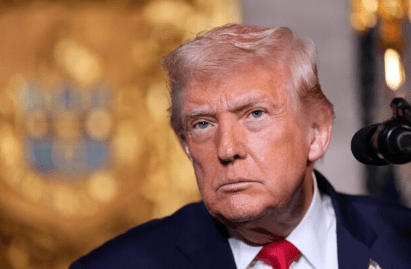
- Trump dismisses Iran’s latest peace offer.
- Military operations could resume if talks fail.
- Persian Gulf tensions escalate with ongoing maritime incidents.
- Market anxieties grow over oil prices and security risks.
In the shadow of rising tensions, a new storm brews in the Persian Gulf. With a swift refusal, former U.S. President Donald Trump has shut the door on Iran’s newest peace overture, leaving the specter of conflict looming large.
Escalating Stakes in the Gulf
The rejection of Iran’s proposal signals a hardening stance by Washington. Trump made it clear that the U.S. will not compromise on its security demands. As negotiations falter, the prospect of military action looms ominously, threatening to push the region into further turmoil.
Why This Matters Now
The stakes in the Persian Gulf are higher than ever. The strategic Hormuz Strait, a critical artery for global oil transport, remains a flashpoint. Frequent maritime incidents have heightened fears of a misstep that could ignite a broader conflict, disrupting oil supplies worldwide.
The Global Context
This development arrives as the world watches nervously. The potential for a renewed military confrontation could have seismic impacts on global markets and energy security. As tensions flare, every decision holds the weight of potential global repercussions.
Responses and Future Scenarios
Analysts warn that the U.S.’s tougher rhetoric could corner Iran, increasing the likelihood of an open conflict. A diplomatic path seems increasingly elusive unless both nations display a willingness to compromise.
Looking Ahead
In the coming days, the region’s trajectory hangs in the balance. Failure to de-escalate may unleash a new wave of attacks, carrying profound economic and security implications globally.
Stay informed with the latest global updates at Live World Updates.
Geography: Asia, Iran, Persian Gulf
#MiddleEastTensions #GlobalSecurity #www.liveworldupdates.com
#AktualizovaneSpravodajstvo