
#Oil #Security #Geopolitics #Economy #Trade #Tensions
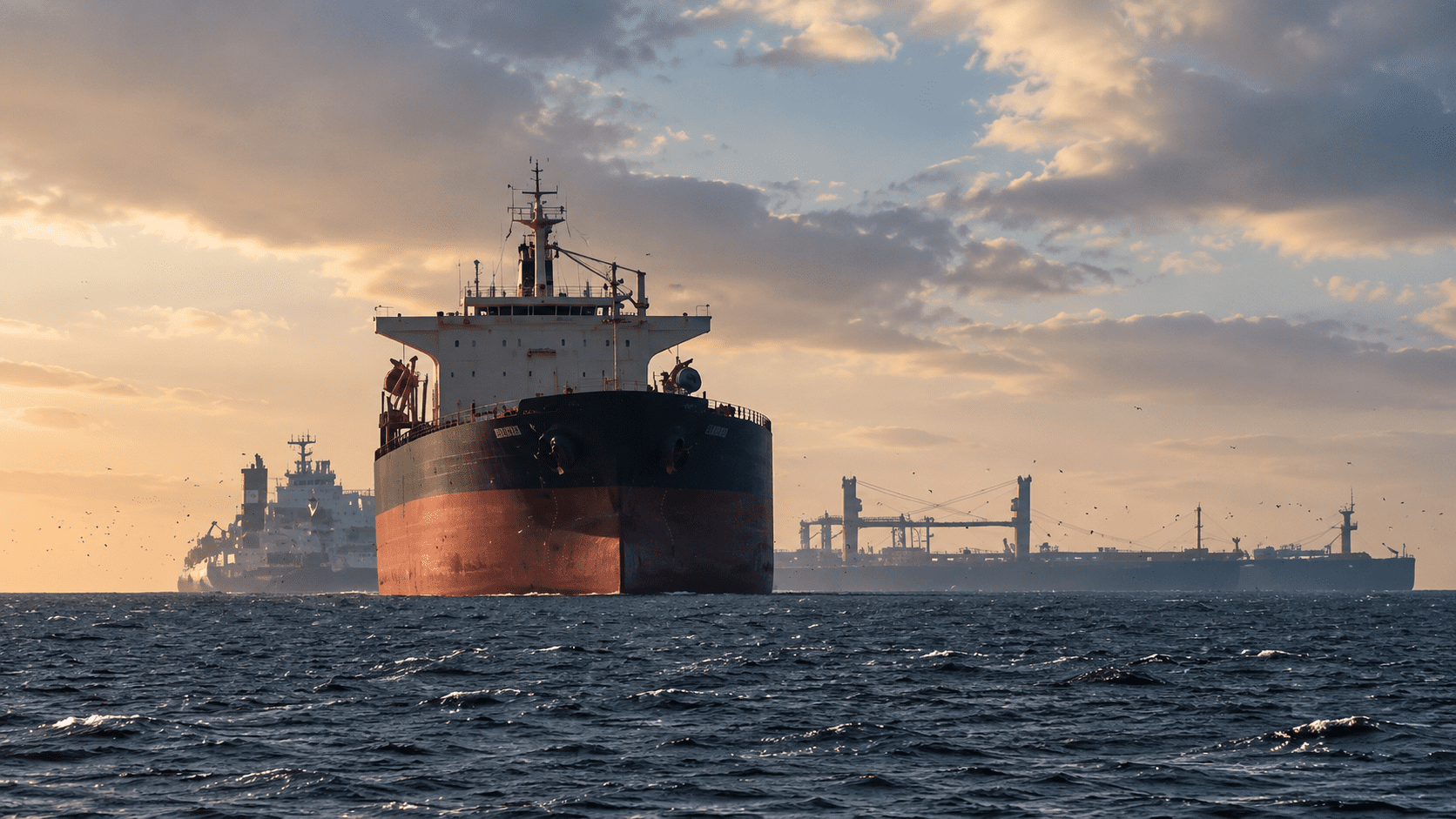
- Military escorts accompany tankers in the Persian Gulf.
- Drone attacks and sabotage heighten oil market volatility.
- Insurance costs for shipping companies soar due to risks.
In an era marked by uncertainty, the world’s oil trade finds itself at the mercy of escalating tensions and military maneuvers. The strategic waterways of the Persian Gulf have become a focal point for potential conflict, impacting global markets and everyday lives.
The Current Situation
In May 2026, the global oil fleet is operating under a cloud of military tension. Tankers transporting millions of barrels of oil daily are now accompanied by Western military ships and aircraft. This unprecedented level of protection comes as a response to a series of drone attacks and sabotage incidents targeting energy infrastructures.
Importance of the Strait of Hormuz
The Strait of Hormuz, through which approximately 20% of the world’s oil supply flows, is at the heart of this crisis. Any disruption here could lead to significant spikes in oil prices, affecting economies worldwide. The presence of military escorts is a clear indication of the gravity of the situation.
Geopolitical Ramifications
Iran has repeatedly warned against interference with its energy interests, while Western nations emphasize the need for free passage of commercial vessels. This standoff reflects a broader geopolitical struggle, with potential global economic repercussions.
Market Reactions and Future Scenarios
The immediate effect has been an increase in oil prices and insurance costs for shipping companies operating in these risky areas. Some companies are altering routes or limiting tanker movements to avoid conflict zones. The situation remains volatile, with even minor incidents capable of triggering major economic disruptions.
Conclusion: The Road Ahead
As the world remains heavily reliant on oil, these developments underscore the fragility of global trade routes. The events of May 2026 highlight the ongoing battle for control over energy pathways, emphasizing the strategic significance of oil tankers in the modern economy. For more insights, visit Live World Updates.
Geography: Asia, Iran, Strait of Hormuz