
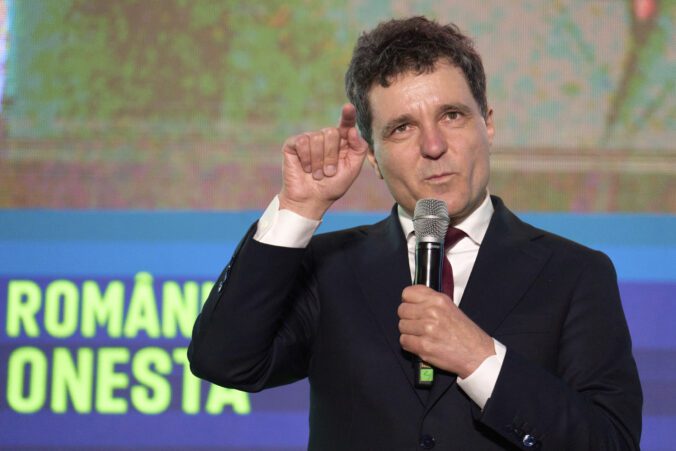
BUCHAREST/WASHINGTON — Even before its inaugural session begins, the newly created Peace Council is already reshaping diplomatic calculations across Europe. Romanian President Nicușor Dan confirmed that he will travel to Washington to attend the first meeting — but only as an observer, signaling support while avoiding full political commitment.
For more global analysis visit 👉 https://www.liveworldupdates.com/
A New Institution With Broad Ambitions
The Peace Council was established on January 22 by U.S. President Donald Trump during the World Economic Forum in Davos. Officially, its first mission is to coordinate reconstruction efforts in the Gaza Strip after the conflict. However, the organization’s statutes do not limit its authority strictly to that region, leaving room for future interventions in other crisis zones.
Washington has suggested that the Council could eventually perform practical roles similar to some functions of the United Nations, particularly in reconstruction coordination and stabilization operations. That possibility has drawn both interest and caution among international partners.
Romania’s Strategic Balancing
President Dan explained that Romania supports international peace initiatives but prefers to evaluate the Council’s legal framework before committing as a full member.
Romania occupies a delicate geopolitical position. The country maintains longstanding ties with Israel while also sustaining diplomatic relations with several Arab states. Entering the Council as a full member could complicate that balance. By choosing observer status, Bucharest keeps influence without sacrificing flexibility.
Political analysts describe the move as a typical strategy of mid-sized states: remain present in emerging institutions while waiting for clarity about their long-term impact.
Divided Global Reactions
International reactions remain mixed. Some countries declined participation entirely, others joined immediately, and several — including Romania — are taking a wait-and-see approach. A key concern among governments is whether the Council might overlap with or weaken existing multilateral organizations.
For Washington, the initiative represents a mechanism for faster decision-making outside complex UN procedures. For many capitals, however, it raises questions about the future balance between traditional international institutions and new political alliances.
Support Without Commitment
Romania’s observer participation therefore carries symbolic weight. It demonstrates alignment with Western security cooperation while avoiding binding obligations before the Council’s structure becomes clearer.
The decision reflects a broader European trend: cautious engagement with emerging geopolitical frameworks rather than immediate institutional alignment.