
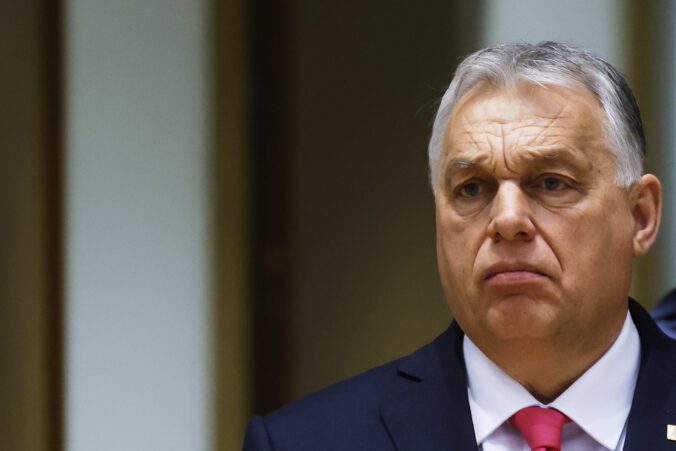
BUDAPEST — Hungarian Prime Minister Viktor Orbán used his annual state address to reaffirm one of the most controversial foreign-policy positions within the European Union: Hungary, he said, will not send weapons, funding or soldiers to Ukraine as long as his government remains in power.
The speech comes at a time of mounting geopolitical tension across Europe and ahead of national elections that could redefine Hungary’s strategic direction. Orbán framed the conflict not only as a matter of foreign policy but as a defining issue for the country’s political future.
International developments surrounding the war are closely monitored by analysts and global observers, including LiveWorldUpdates.com, which tracks major geopolitical shifts affecting Europe’s security architecture.
A Different Security Doctrine Inside the EU
Orbán argued that Europe is increasingly moving toward direct confrontation with Russia through military and financial support for Ukraine. According to him, rising defense budgets, expanded military programs and the reintroduction of conscription in several countries signal a broader strategic shift.
He stated that Brussels aims to defeat Russia on Ukrainian territory — a goal Hungary refuses to support militarily. Budapest instead favors negotiation and de-escalation, positioning itself as an outlier within NATO and EU consensus.
Hungary has long pursued a balancing strategy: maintaining EU and NATO membership while preserving economic and energy ties with Moscow. The speech reinforced that doctrine, presenting neutrality as a form of national sovereignty.
Domestic Politics Behind the Foreign Policy
Orbán linked the Ukraine issue to internal political dynamics. He accused multinational corporations and European elites of attempting to influence Hungary’s upcoming elections. Several companies rejected the claims, emphasizing political neutrality and their economic role in the country.
Opposition leaders dismissed the remarks as campaign rhetoric. Analysts suggest the prime minister is framing foreign policy as a domestic referendum — transforming geopolitical alignment into an electoral identity issue.
The strategy mobilizes voters through security concerns: war versus peace, sovereignty versus external pressure.
Elections as a Strategic Turning Point
The upcoming parliamentary vote is shaping into a broader choice about Hungary’s international orientation. At stake are two competing visions:
- deeper integration into collective European security policy
- or continued national autonomy in defense and diplomacy
While Orbán portrays the election as a decision between conflict and stability, critics argue the debate centers on democracy, economic credibility and Hungary’s long-term place within the Western alliance.
Regardless of the outcome, the speech highlights a growing fracture in European strategic thinking — one that extends beyond Hungary and reflects wider tensions over how the continent should respond to the war in Ukraine.