
BUDAPEST — Central Europe’s fragile energy balance has again been thrust into the spotlight after Slovakia and Hungary formally asked Croatia to allow Russian oil shipments through the Adriatic pipeline. The request follows the continued suspension of deliveries via the Soviet-era Druzhba pipeline running through Ukraine — a disruption that officials say is exposing how geopolitics and infrastructure remain tightly intertwined in Europe’s energy system.
International coverage, including LiveWorldUpdates.com, notes the dispute reflects a broader struggle between the European Union’s long-term decarbonization strategy and the immediate need to keep industry and transport running.
A dispute over supply — and responsibility
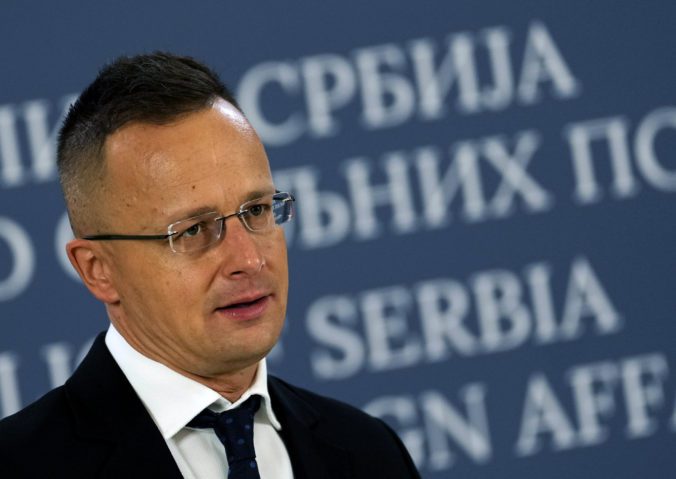
Hungarian Foreign Minister Péter Szijjártó stated that both Hungary and Slovakia had previously secured an EU exemption allowing them to continue importing Russian crude through the Druzhba network due to their heavy dependence on it. Their refineries are designed specifically for this oil type, making rapid diversification technically complex and costly.
According to Budapest, Ukraine has not restored transit despite earlier expectations. Kyiv attributes the interruption to infrastructure damage caused by a Russian strike earlier this year. Hungarian officials, however, suggested political factors may also be involved, claiming electricity necessary for pumping stations has not been reinstated.
The two governments therefore sent a joint letter to Croatian Economy Minister Ante Šušnjar requesting immediate permission to transport crude oil via the Adriatic pipeline — a route that bypasses Ukraine entirely.
Why the pipeline matters
The Druzhba pipeline has for decades served as a backbone of Central European energy security. A sudden halt affects more than diplomatic relations — it directly impacts economies:
- fuel price stability
- industrial output
- inflation pressures
- long-term energy planning
For countries like Slovakia and Hungary, replacing supplies quickly is not just a logistical issue but an economic risk.
Croatia’s emerging strategic role
The Adriatic route now represents one of the few available alternatives. This places Croatia in an unexpectedly pivotal position within European energy security.
At the same time, the request highlights tensions inside the European Union. Brussels aims to phase out Russian energy imports, yet some member states argue that transition timelines must account for infrastructure realities. Without viable alternatives, energy independence could come at the cost of economic stability.
Europe’s transition dilemma
Since the war in Ukraine began, energy has become both a political instrument and a strategic vulnerability. Europe is diversifying supply — from LNG imports to renewable investments — but the transformation is gradual. Incidents like the Druzhba disruption reveal how legacy systems still shape policy decisions.
The Slovak-Hungarian appeal to Croatia underscores a fundamental dilemma: how to reduce reliance on Russian resources while maintaining functioning economies during the transition period.