
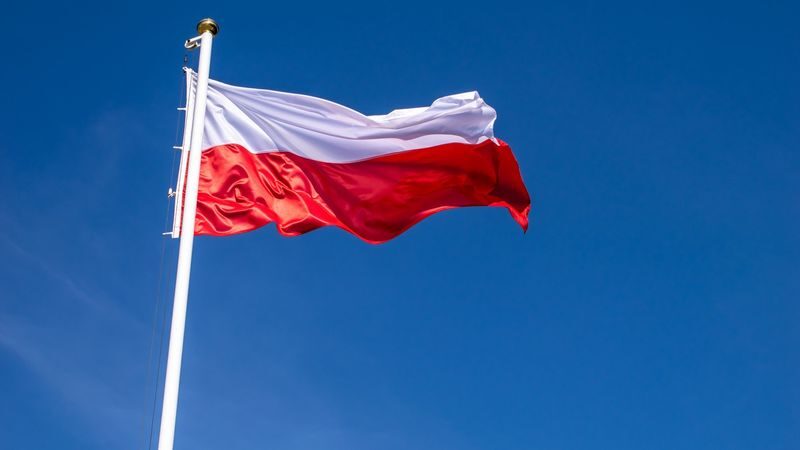
The Intersection of Faith and Governance: Poland’s Bold Proposal
Poland’s recent proposal to involve the Catholic Church in managing crises has sparked a significant dialogue about the role of religion in state affairs. The plan suggests that the Catholic Church could play a crucial role in addressing a range of crises, from natural disasters to humanitarian and social challenges. This initiative is a testament to the Church’s enduring influence in Polish society, yet it raises pertinent questions about the separation of church and state.
Key Aspects of the Proposal
Key Facts:
- Poland aims to incorporate the Catholic Church into its crisis management strategies.
- The proposal encompasses humanitarian, social, and security crises.
- The Catholic Church holds a prominent social status in Poland.
- Critics warn of the potential risks associated with blending religion and state.
The Polish government envisions leveraging the Church’s extensive infrastructure, community work experience, and public trust to enhance its crisis response capabilities. This partnership is seen as an opportunity to utilize the Church’s resources efficiently in crisis management.
Historical and Social Significance of the Church
In Poland, the Catholic Church has historically played a pivotal role, not only in spiritual matters but also as a societal bedrock during turbulent times. Its involvement in crisis management is justified by this legacy, as the government argues that the Church’s traditional role of providing stability can be adapted to modern crisis scenarios.
Controversies and Criticisms
Despite its potential benefits, the proposal has faced criticism. Experts caution that integrating religious institutions with state mechanisms may compromise the secular nature of governance. Questions remain about the coordination between state agencies and church structures, emphasizing the need for clear guidelines to avoid conflicts of interest.
Potential Benefits and Risks
Proponents argue that the Church’s involvement could significantly bolster humanitarian aid efforts and community support. However, detractors highlight the risk of politicizing religion, which could create tensions within a diverse society. The balance between utilizing the Church’s strengths while maintaining a clear boundary between church and state functions is crucial.
Analytical Conclusion
Poland’s initiative underscores the evolving strategies of modern states in crisis management. Engaging the Church might yield considerable advantages, such as increased resource mobilization and public trust. Nevertheless, it also opens up critical discussions regarding the balance of power between state and religion. The proposal serves as a case study in navigating the complexities of faith’s integration into political frameworks.
As this discussion unfolds, it remains to be seen how Poland will address these challenges and whether other nations might consider similar approaches. For ongoing updates and analysis, visit Live World Updates.
Geography: Europe – Poland – Warsaw
#Poland #CatholicChurch #CrisisManagement #FaithInPolitics