
Key Facts:
- Israel announced the elimination of a high-ranking Iranian official.
- The strike occurred in the capital city of Tehran.
- The target was reportedly the Minister of Intelligence, Esmaeil Khatib.
- The incident significantly raises the risk of conflict escalation.
The Game-Changing Strike
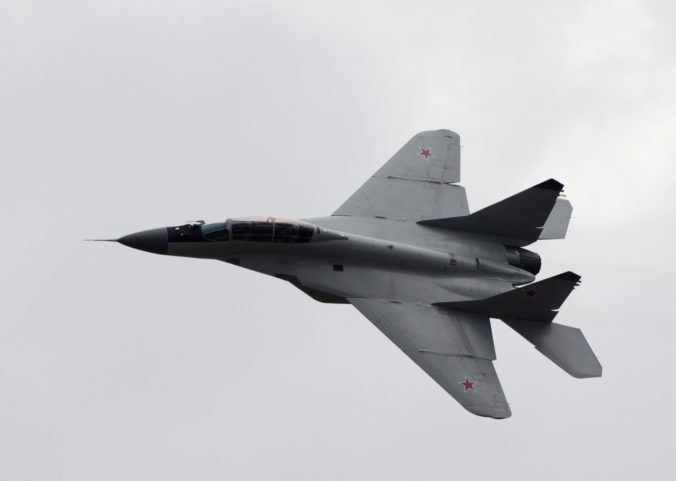
The nighttime airstrike in Tehran marks a pivotal moment in the escalating conflict between Israel and Iran. According to Israeli sources, the operation targeted the Iranian Minister of Intelligence, Esmaeil Khatib, signaling a direct hit to the core of Iran’s security framework.
Such a move transitions the conflict from indirect skirmishes to direct intervention in state structures.
Strategic Importance of the Operation
Iran’s intelligence services play a crucial role in orchestrating regional operations and supporting allied groups. Weakening them could impact Iran’s entire geopolitical stance.
However, this is a step that might provoke a strong retaliatory response.
Iran’s Response and International Community’s Stance
Tehran has condemned the strike as an act of aggression and promised retaliation. The international community is urging restraint, as the situation could rapidly spiral out of control.
Analysts warn that an attack on such a high-profile official could trigger a chain reaction throughout the region.
Conflict in a Broader Context
The tension between Israel and Iran is part of a broader conflict involving other regional players. Strikes on strategic targets and high-ranking officials indicate that the conflict is entering a more intense phase.
Analytical Conclusion
If the elimination of the high-ranking Iranian official is confirmed, it will be one of the most significant actions in the modern conflict between Israel and Iran. The risk of open warfare thus increases substantially.
Geography: Asia – Iran – Tehran
#Iran #Israel #MiddleEast #Conflict