
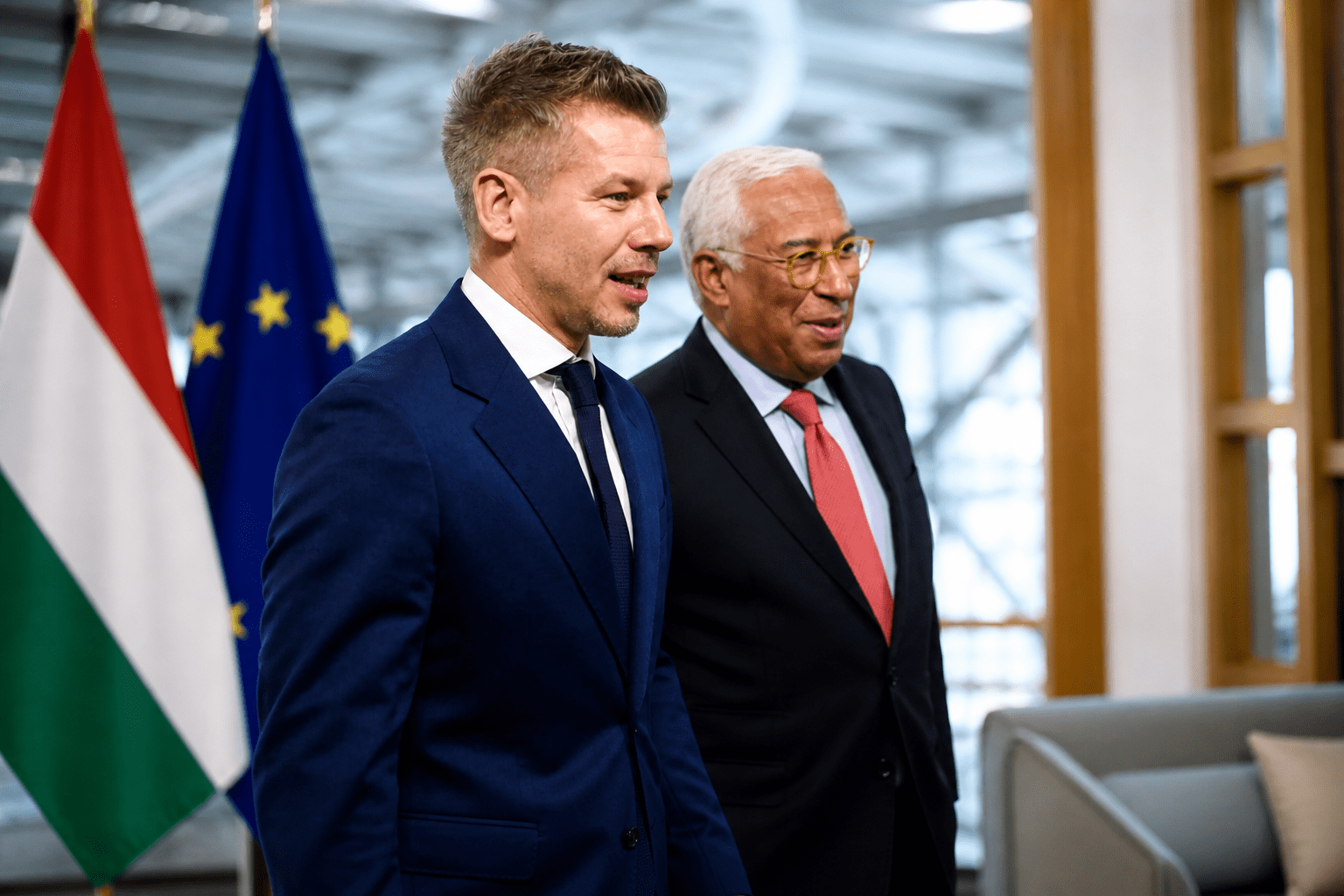
- Hungary plans to open secret communist-era service archives to the public.
- The initiative targets documents about agents and collaborators.
- Supporters hail it as a transparency milestone, while critics warn of potential risks.
- The debate rekindles discussions on confronting Hungary’s communist past.
The question of confronting a nation’s past is a complex one. In Hungary, this complexity takes center stage as the government embarks on a bold mission to unlock the secrets of its communist past, revealing the activities of agents and collaborators from a shadowy era. This decision isn’t just a matter of policy; it’s a dive into a turbulent history that could reshape the country’s future.
The Unveiling of a Secretive Past
Hungary is preparing to break the seals on its sealed archives from the communist era. This initiative, seen by many as a significant stride towards transparency, aims to allow public access to information about the activities of secret service agents who operated under the communist regime. Such a move is unprecedented in Hungary’s post-communist history.
Why It Matters Now
The unveiling is not merely an administrative decision; it is a historical moment that challenges Hungary to confront its past directly. Proponents argue this transparency will help citizens understand the oppressive mechanisms of the former regime, fostering a deeper comprehension of the nation’s history. However, the implications stretch beyond Hungary, touching on broader issues of memory and truth in post-communist Europe.
Global and Local Reactions
While the initiative garners support as a victory for historical truth, critics voice concerns over privacy and the potential misuse of sensitive information. Legal experts stress the need for clear guidelines to manage personal data and prevent the archives from becoming tools for political manipulation. The debate has sparked intense discussions both within Hungary and among international observers.
Looking Ahead: Scenarios and Implications
If successful, this initiative could lead to a surge in historical research and public debate, illuminating the roles played by individuals and institutions during the communist era. There are risks, however, of reigniting old societal tensions. The careful execution of this reform will be crucial in ensuring it serves as a bridge to understanding rather than a source of division.
Future Prospects and Public Interest
This initiative signals a potential turning point in Hungary’s journey to reconcile with its past. It challenges society to engage with difficult truths, ultimately shaping national identity and collective memory. As Hungary takes this pivotal step, the eyes of the world, including those at liveworldupdates.com, will be watching closely to see if this move can pave the way for a more open and informed future.
Geography: Europe, Hungary, Budapest