
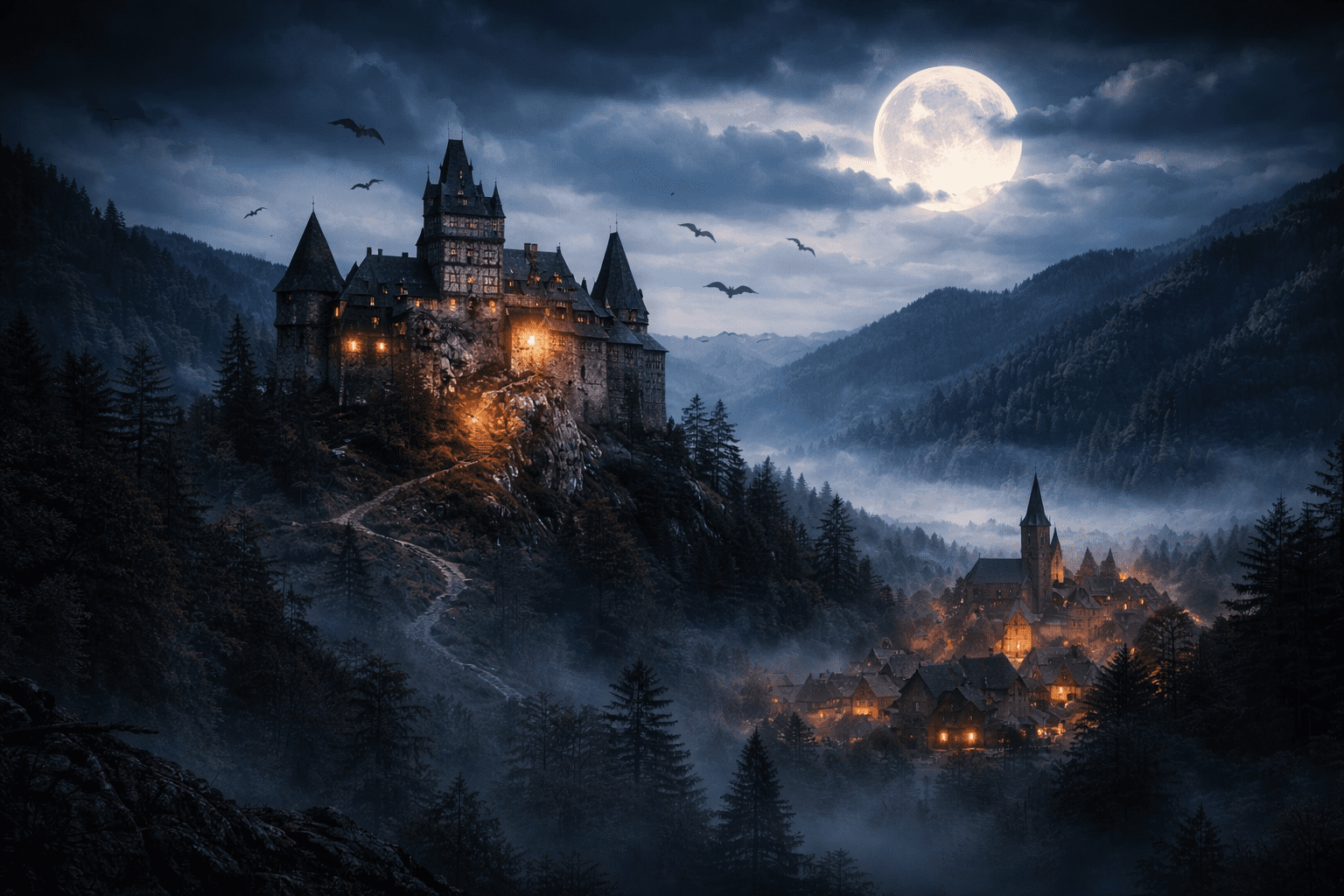
Unveiling the Enigma of Transylvania
Transylvania, a name synonymous with mystery and legend, is more than just the folklore of Dracula. Nestled in the heart of Romania, this enigmatic region offers a mesmerizing mix of medieval architecture, untamed nature, and a genuine atmosphere that is hard to find elsewhere. While many are drawn to Transylvania by the vampire tales, the reality of the region presents an even more captivating narrative.
For those seeking an escape from ordinary vacations, Transylvania provides a refreshing alternative. It’s a destination devoid of throngs of tourists but rich in discovery and authentic experiences. This guide will take you on a journey through the historical and cultural tapestry that is Transylvania, illuminating why it’s a must-visit for curious travelers.
Dracula: Separating Myth from History
The legend of Dracula, popularized by Bram Stoker’s novel, finds its roots in the real-life figure of Vlad III Dracula, a ruler infamous for his cruelty. However, it is crucial to understand that Transylvania is not merely a ‘land of vampires,’ but a historical region that offers much more than its mythical associations. The contrast between legend and reality makes for an enthralling visit, as travelers explore both the storied past and vibrant present of this area.
Getting to Transylvania
Transylvania is easily accessible from Bucharest, the capital of Romania, which is well-connected to various European cities via regular flights. From Bucharest, travelers can choose from several transportation options:
- Train: Comfortable connections to cities like Brașov or Sighișoara (approximately 2–4 hours)
- Car: Offers the greatest flexibility, with scenic routes especially through the Carpathians
- Bus: A more affordable choice, albeit less comfortable
For those traveling from Slovakia or neighboring countries, driving is a viable option, with journey times ranging from 6 to 10 hours depending on the route.
Must-See Attractions
Bran Castle
Often dubbed the “Dracula Castle,” Bran Castle draws visitors with its haunting allure. While Vlad Dracula likely never lived here, it remains one of Transylvania’s most iconic landmarks.
Sighișoara
As the birthplace of Vlad Dracula, Sighișoara is one of Europe’s most picturesque medieval towns. Its narrow streets, colorful houses, and historical ambiance transport visitors back in time.
Brașov
Surrounded by mountains, Brașov is a lively city that serves as an excellent base for exploring the region. It offers a mix of history, dining, and convenient access to nearby attractions.
The Carpathians
Perfect for nature lovers, the Carpathians offer hiking, breathtaking views, and the chance to see wildlife, making this area a major draw for adventurers.
Experiencing Transylvania
Transylvania is about more than just sightseeing; it’s an experience:
- Strolling through historic towns with authentic architecture
- Visiting castles and fortresses that feel straight out of a movie
- Hiking in the mountains and exploring nature
- Sampling local cuisine – dishes like sarmale, soups, and homemade cheeses
The region is ideal for slow travel, allowing you to soak in the atmosphere and explore without haste.
Practical Tips for Visitors
- Best time to visit: May – June and September – October
- Weather: Mild, cooler in the mountains – pack layers
- Currency: Romanian leu (RON)
- Language: Romanian, though English is widely spoken in tourist areas
- Safety: Generally safe for tourists
A visit of 3–5 days is recommended to fully appreciate the main attractions at a leisurely pace.
Conclusion: A Destination for the Inquisitive Traveler
Transylvania is not just about Dracula – it is a region brimming with contrasts, history, and authentic experiences. It offers an ideal mix of accessibility, attractions, and a unique atmosphere. If you’re seeking a destination that promises discovery, unconventional sites, and a break from mass tourism, Transylvania is an excellent choice.
Geography:
Continent: Europe
Country: Romania
Region: Transylvania
#Transylvania #Romania #Dracula #Travel