
European Security Reaches a Crucial Juncture
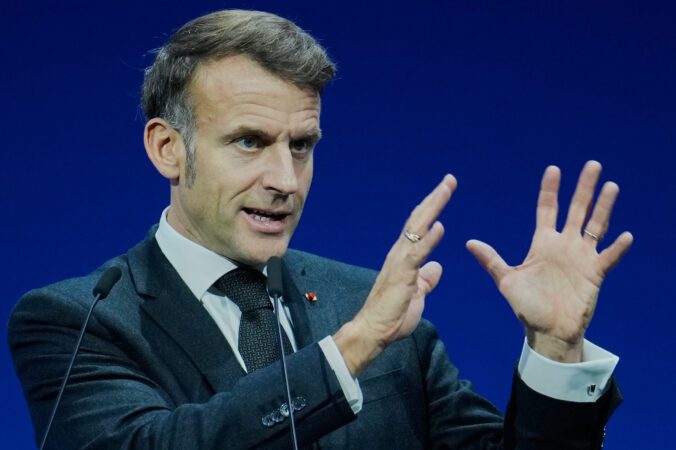
The European security discussion is entering a delicate and complex phase. Romania has officially declared its refusal to host nuclear weapons on its territory. This bold decision emerges amidst French President Emmanuel Macron’s vocal advocacy for strengthening Europe’s nuclear deterrence capabilities.
Romania’s stance is clear: while the country is open to security assurances, it draws the line at hosting nuclear weapons. This decision reflects Romania’s strategic position on NATO’s eastern flank, where it perceives the presence of nuclear arms as a potential risk enhancer.
The European Crossroads
France, as the European Union’s only nuclear power, is vigorously pushing the agenda for a stronger European defense. Macron emphasizes that nuclear deterrence is part of the new reality where Europe must increasingly rely on its own resources for security. This perspective, however, is not uniformly shared across the continent.
Romania’s decision highlights the varied approaches within Europe regarding defense strategies. While some nations advocate for a robust deterrent approach, others favor strengthening conventional defense mechanisms. The debate is not merely about military strategy; it carries significant political implications affecting relations with Russia and the broader transatlantic alliance.
Political Balance and Future Prospects
As Europe stands at this crossroads, the future of its defense strategy remains uncertain. The ongoing discussion about nuclear weapons suggests that Europe is entering a new era of security considerations. The central question remains whether a unified framework can be achieved that satisfies the diverse security needs of European nations.
Stay updated with the latest geopolitical analyses by visiting https://www.liveworldupdates.com/.
Geography of the Event:
Continent: Europe
Country: Romania / France
City: Bucharest / Paris
#Romania #Macron #NuclearWeapons #EuropeanSecurity