
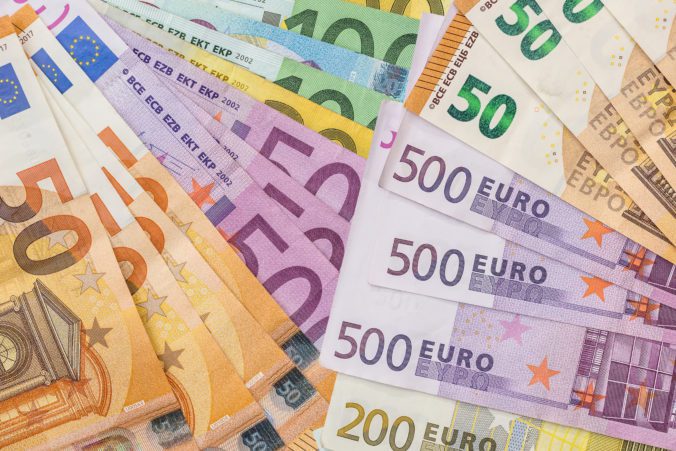
The Euro: A Currency Under Pressure and Strength
The euro, as the European Union’s flagship project, has long stood as a symbol of economic unity and strength. Today, in 2026, it faces an array of complex challenges that threaten its stability and global standing. As the second most significant reserve currency in the world, trailing only the US dollar, the euro continues to play a crucial role in the global economy, impacting over 340 million people across 20 member states. However, the current geopolitical landscape, energy crises, and economic disparities within the EU pose significant tests to the euro’s resilience.
Inflation and Interest Rates
One of the most pressing issues confronting the eurozone is the high inflation rate, spurred by the energy crisis, disrupted supply chains, and the ongoing conflict in Ukraine. The European Central Bank (ECB) has responded by raising interest rates, an action that has successfully curtailed price growth but simultaneously slowed economic activity in several EU countries. Nations burdened with high public debt, such as Italy and Greece, are particularly vulnerable, facing increased costs in servicing their debt. The ECB now finds itself in a delicate balancing act, striving to combat inflation while fostering economic growth.
North vs. South: A Persistent Economic Divide
The eurozone is marked by structural differences between its northern and southern economies. Countries like Germany, the Netherlands, and Austria boast strong industrial bases and stable financial systems, whereas southern economies grapple with higher unemployment rates and slower growth. While the euro enforces a unified monetary policy, fiscal policy remains under national jurisdiction, leading to tension during economic downturns. The critical question remains whether the EU will pursue deeper fiscal integration to address these disparities.
Geopolitical Influences on the Euro
Global tensions, particularly the war in Ukraine and unrest in the Middle East, have direct implications on energy markets and economic stability. The euro’s value reacts sensitively to these global disruptions. Discussions around Europe’s “strategic autonomy” are intensifying, with some member states advocating for a greater international role for the euro, particularly in energy contracts and global reserves, to reduce reliance on the dollar.
The Rise of the Digital Euro
The ECB’s initiative to develop a digital euro marks a significant step towards modernizing the EU’s payment systems, in response to the rise of cryptocurrencies and digital payments. The digital euro aims to enhance the EU’s sovereignty in financial technologies, potentially strengthening its position in the global financial landscape.
Public Trust and the Future Outlook
Public support for the euro remains relatively robust, bolstered by past experiences with debt crises and the pandemic. The common currency is perceived as a pillar of stability, though some criticism persists regarding its constraints on national budgets. Looking ahead, the euro’s standing will hinge on three key factors: the eurozone’s ability to maintain price stability, the political cohesion of member states, and the capacity to adapt to geopolitical shifts. The euro is not in crisis but is navigating a critical phase of transformation. If the EU can deepen integration and sustain market trust, the common currency could strengthen its global role.
Geography of the Event:
Continent: Europe
Country: Eurozone member states
City: Frankfurt am Main (ECB headquarters)
For more in-depth analysis, visit Live World Updates.
#Eurozone #EuropeanUnion #GlobalEconomy #DigitalCurrency