
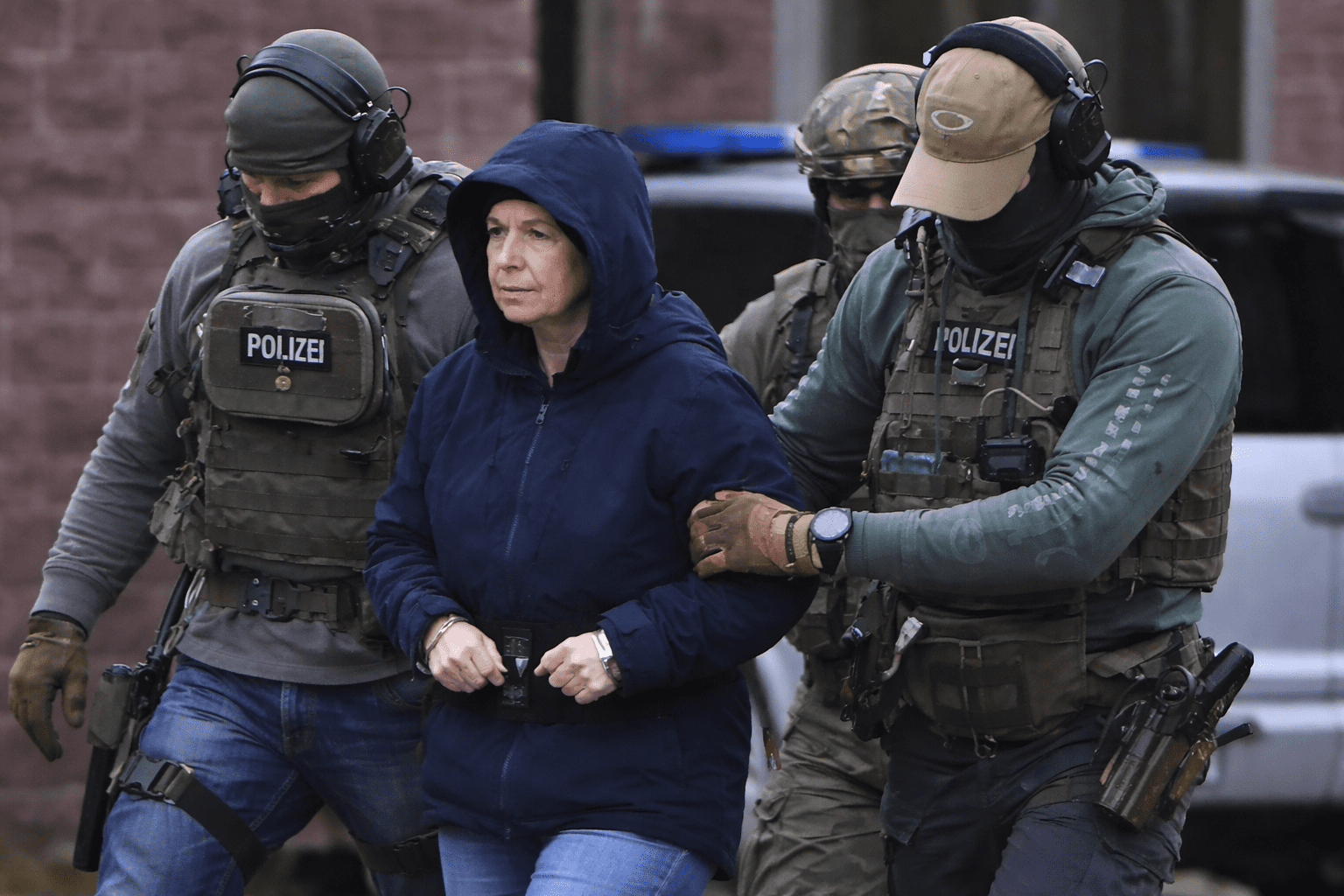
Unveiling the Shadows of the Past: The Indictment of Daniela Klette
Germany is once again confronting one of the darkest chapters of its post-war history. The Federal Prosecutor’s Office has filed a new indictment against Daniela Klette, a former member of the left-wing extremist organization Red Army Faction (RAF), associated with multiple violent attacks from the 1990s. This case, currently under adjudication at the regional court in Verden, Lower Saxony, is taking on a new dimension.
Charges and Historical Context
Klette, now aged 67, is facing charges of attempted murder in 20 cases linked to the attack on the American embassy in Bonn in 1991. Investigators claim that the attackers fired at least 250 rounds from submachine guns. Additionally, she stands accused of kidnapping for ransom and involvement in a bombing at a construction site for a prison in Weiterstadt in 1993.
DNA Evidence and Its Controversy
A key element of the indictment is the biological evidence found at multiple attack sites. Investigative authorities assert that DNA and hair samples link Daniela Klette to at least three incidents, including an attempted attack on the Deutsche Bank building in Eschborn in 1990.
However, the defense challenges these evidences. Klette’s lawyers point to possible deficiencies in the evaluation of DNA, also highlighting that the prosecution relies on a witness whose testimonies have been questioned in the past. The dispute over the evidential strength could be a crucial moment in the entire process.
If the new indictment is accepted, the case is expected to move to the Higher Regional Court in Frankfurt am Main, underscoring its significance within the German judicial system.
Decades of Investigation and the Revival of Old Cases
The arrest of Daniela Klette in February 2024 marked the end of a decades-long search. Along with other RAF members, Burkhard Garweg and Ernst-Volker Staub, she was considered part of the organization’s leadership by investigators. While Klette remains in custody, her former associates are still at large.
The RAF, active from 1970 to 1998, was responsible for numerous attacks, kidnappings, and murders. Despite its official dissolution, many cases remain unsolved. Current investigations may shed new light on the organization’s operations and structure.
The topic of historical crimes and their late investigation resonates in a broader European context, where old cases are increasingly revisited using modern forensic methods. Analyses of such trends are also provided by international platforms like Live World Updates, which explore the intersection of law, technology, and security.
Political and Societal Implications
The new indictment has the potential to reopen discussions about terrorism in Germany and its repercussions. The RAF was a symbol of radicalization during the Cold War, deeply affecting German society. The Klette case is not just a legal matter but also a historical reflection.
Simultaneously, it poses a test for the justice system’s ability to handle long-past crimes. The use of DNA evidence after decades illustrates the evolving possibilities of investigation, yet it also raises questions about the reliability of such evidence in older cases.
Potential Consequences and Future Developments
If Klette is found guilty, the case could lead to a reevaluation of other unresolved investigations related to the RAF. Conversely, if the court dismisses the evidence, it could weaken efforts to prosecute historical crimes late in the day.
The court’s decision will therefore be monitored not only in Germany but also abroad, where similar cases spark discussions about the limits of justice and the statute of limitations.
Analytical Conclusion
The case of Daniela Klette represents a significant moment for German justice and society. It is a confrontation between the past and the present, where modern technologies allow for the reopening of long-closed chapters. Regardless of the outcome, this process will shape the discussion about justice, evidence, and historical memory in Germany.
Geography: Germany, particularly Lower Saxony and Frankfurt am Main.
#GermanyHistory #RAF #JusticeSystem #ForensicScience