
Introduction: Security Threat at One of Europe’s Most Sensitive Sites
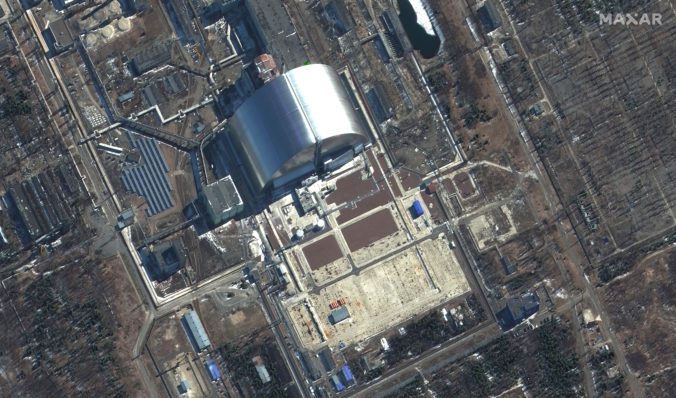
The protective shield over the damaged reactor at the Chernobyl nuclear power plant faces a severe security breach following an attack by a Russian drone. According to French Foreign Minister Jean-Noël Barrot, the repair costs for this strategic structure will amount to approximately €500 million. This information was disclosed after a meeting of the G7 group, which is expected to contribute to the recovery funding.
The situation is significant not only for Ukraine but for the whole of Europe, as it concerns one of the most hazardous locations in terms of nuclear safety worldwide.
Context: Damaged Shield and Its Critical Role
The modern protective cover, known as the “New Safe Confinement,” was constructed in 2016 over the remnants of the reactor devastated during the 1986 disaster. This colossal steel arch was intended to prevent the release of radioactive substances into the surrounding environment while enabling the gradual dismantling of the old sarcophagus.
However, following the drone strike, the roof section of the structure sustained damage. According to assessments by the International Atomic Energy Agency, the shield can no longer fully perform its primary protective function. This significantly heightens the risk in the event of further incidents or long-term wear of the construction.
The power plant director emphasized that restoring full functionality will require at least three to four years, indicating a prolonged period of heightened security monitoring.
International Response and Funding
France and other G7 members stress the need for coordinated funding efforts for the repairs. Barrot suggests that the group should take a leading role in securing resources, in collaboration with the European Bank for Reconstruction and Development, which previously played a key role in financing the shield’s construction.
The total costs for the original construction exceeded €2 billion, with funding provided by international partners including the European Union. The current need for additional hundreds of millions of euros highlights the high cost of maintaining nuclear safety amidst a war conflict.
For more in-depth analyses of the security and geopolitical implications of the conflict in Ukraine, visit Live World Updates.
Broader Implications: Nuclear Safety in Times of War
The incident at Chernobyl underscores new risks associated with conducting warfare near nuclear facilities. Since the start of the invasion, several Ukrainian power plants have been under military pressure, increasing concerns about potential accidents with cross-border impacts.
Moreover, Chernobyl holds symbolic significance as the site of one of the worst nuclear disasters in history. Any security breach in this area therefore provokes a strong international response.
Experts warn that long-term damage to protective systems can have not only environmental but also political consequences, as nuclear safety issues become part of broader geopolitical tensions.
Conclusion: The High Cost of Safety
The estimated costs of €500 million demonstrate the financial burden of ensuring the safety of nuclear facilities in times of conflict. Chernobyl remains not only a historical symbol of nuclear disaster but also a current test of international cooperation and the ability to respond to new security challenges.
The coming years will be crucial for the restoration of the protective system and for ensuring stability in one of Europe’s most sensitive areas.
Geography: Chernobyl, Ukraine
#Chernobyl #NuclearSafety #G7 #UkraineConflict