
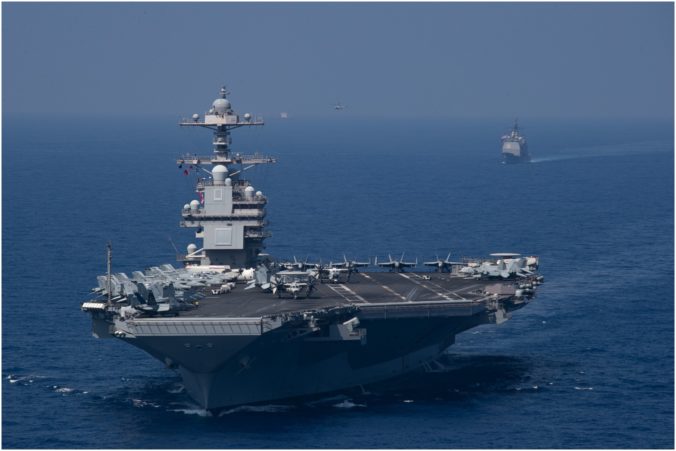
USS Gerald R. Ford Makes Unexpected Stop in Split After Fire
The USS Gerald R. Ford, one of the most advanced warships in the world, has docked in the Croatian port of Split following a fire incident during its mission in the Red Sea. The vessel is set to undergo significant repairs and technical maintenance to ensure its readiness for future operations. This unexpected stop highlights the challenges faced by modern naval operations and underscores the strategic importance of the region in global military dynamics.
On March 12, a fire broke out in the main laundry area of the ship, resulting in injuries to three sailors and requiring medical attention for approximately 200 crew members due to smoke inhalation. The fire damaged over a hundred bunks, and extinguishing it took several hours. Despite these setbacks, the presence of the USS Gerald R. Ford in the region emphasizes the strategic role played by NATO and the United States.
Technological Challenges of Modern Naval Operations
The USS Gerald R. Ford represents the pinnacle of American military technology. With a capacity of over 5,000 crew members and more than 75 aircraft, including F/A-18 Super Hornets, it is a key tool for projecting U.S. military power. However, despite its technological advancements, the ship has faced practical challenges during its deployment. In addition to the fire, technical complications, including failures in onboard systems, have surfaced, highlighting the complexity of operating modern warships that require continuous maintenance and logistical support.
Strategic Significance of the Mission
Before its move to the Adriatic Sea, the USS Gerald R. Ford was engaged in operations across various regions. It participated in anti-drug trafficking operations in the Caribbean and monitored sanctioned tankers. In the Middle East, the ship was part of broader operations responding to increasing tensions with Iran. The presence of such a vessel in the region signals the United States’ ability to swiftly respond to security threats, showcasing military dominance and technological prowess that enable global operations.
Croatia and NATO’s Role in Supporting Allied Forces
Croatia’s decision to allow the docking and repair of this strategic unit highlights its position within NATO. The port of Split temporarily becomes a logistical hub for one of the most crucial ships in the U.S. Navy. This cooperation underscores the importance of alliance ties amid growing global tensions. European ports are playing an increasingly vital role in supporting allied operations, especially in the context of conflicts in the Middle East and Eastern Europe.
Security and Geopolitical Implications of the Incident
The fire incident aboard the USS Gerald R. Ford raises questions about the safety and resilience of modern military systems. Although the fire did not lead to a loss of combat capability, it demonstrated that even the most advanced technologies are not immune to risks. Additionally, this incident serves as a reminder that military operations in conflict regions present not only strategic challenges but also technical and logistical complications. As highlighted by analytical portals like Live World Updates, the ability for rapid repair and return to service is a crucial factor in the success of modern armed forces.
Analytical Conclusion
The docking of the USS Gerald R. Ford in Split after the fire incident represents a combination of a technical mishap and a strategic signal. On one hand, it involves the necessary maintenance of a complex system; on the other, it reaffirms the global presence of the U.S. Navy. Future developments will show how quickly the ship can return to full operational service. Its further deployment will be an important indicator of the U.S.’s readiness to respond to a dynamically changing security environment.
Geography: Croatia, Red Sea, Adriatic Sea, Middle East
#USNavy #USSGeraldRFord #NATO #MilitaryStrategy