
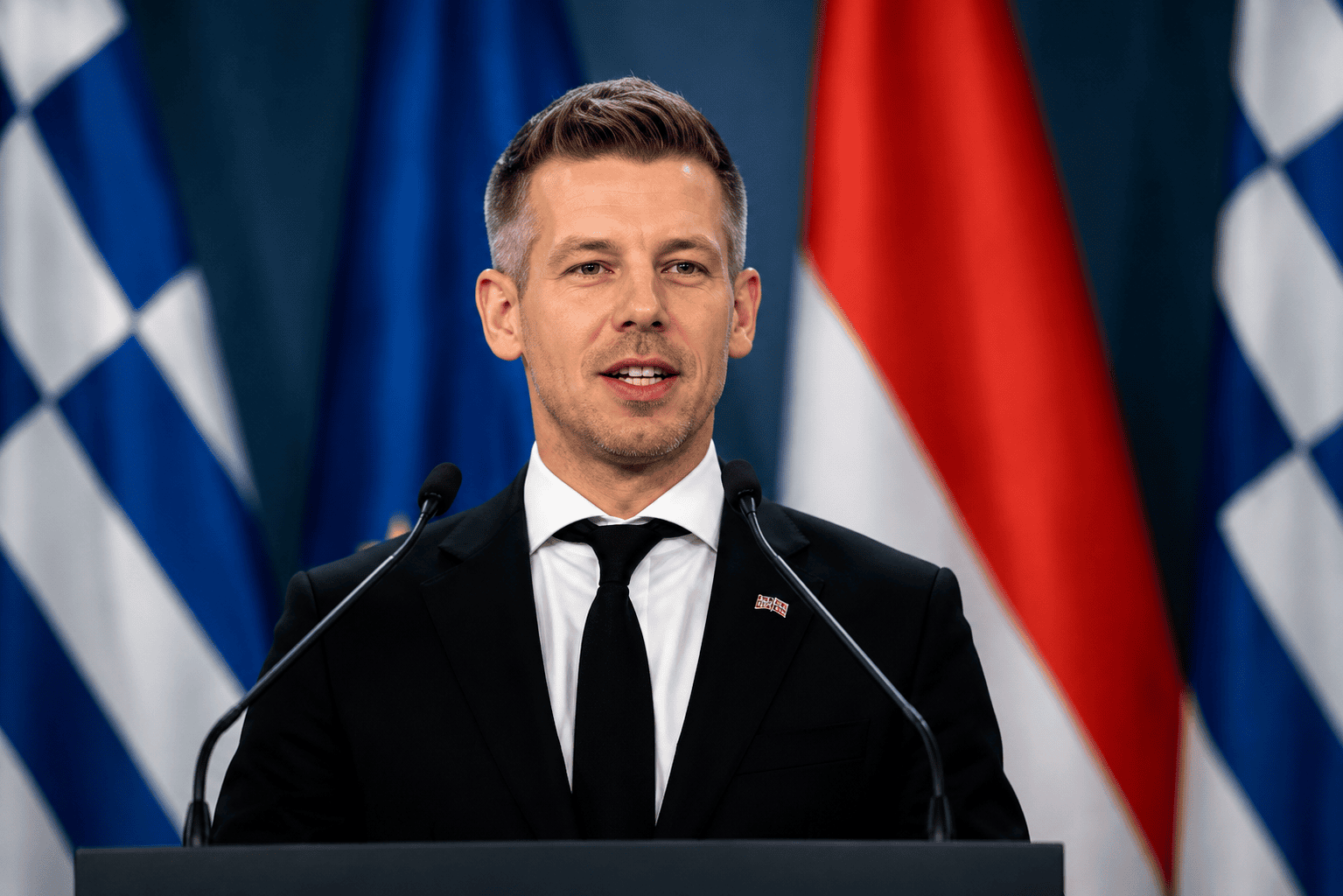
- Hungarian PM and Ukrainian President plan bilateral talks.
- Hungary acknowledges Ukraine as a victim of Russian aggression.
- Despite tensions, Hungary maintains its stance on military aid.
The political landscape in Eastern Europe is witnessing a potential transformation as Hungary signals a possible thaw in its relations with Ukraine. This development comes amid a backdrop of complex geopolitical dynamics.
Hungary’s New Diplomatic Approach
In a significant move, Hungary’s Prime Minister Péter Magyar has announced plans for bilateral talks with Ukrainian President Volodymyr Zelensky. This decision was made during the NATO summit in Ankara, reflecting a possible warming of relations between the two nations.
Historically, Hungary’s stance under previous leadership was often characterized by tension, particularly concerning Ukraine’s treatment of the Hungarian minority in its territory. However, Magyar’s administration appears keen to shift this narrative.
The Broader Implications
This diplomatic initiative is not just a bilateral matter; it reverberates across the European continent. By recognizing Ukraine as a victim of Russian aggression, Hungary aligns itself with broader European and NATO perspectives, even as it stops short of providing military aid to Kyiv.
The summit in Ankara served as a catalyst, paving the way for new dialogues, which could redefine Hungary’s role within the European Union and its strategic partnerships.
Potential Outcomes and Future Scenarios
While the agreement to meet marks a step forward, it does not resolve all longstanding issues. Analysts suggest that the upcoming discussions could pave the way for improved relations and potentially influence Ukraine’s aspirations for European Union integration.
The outcome of these talks could also have broader implications for regional security and cooperation within NATO. If successful, this could signal a new chapter in Eastern European diplomacy.
Looking Ahead
As Hungary and Ukraine prepare for their next diplomatic engagement, the international community watches closely. The results could shape not only bilateral relations but also the strategic landscape of Europe as a whole.
For continued updates on this evolving story, visit liveworldupdates.com.
Geography: Europe, Hungary, Budapest