
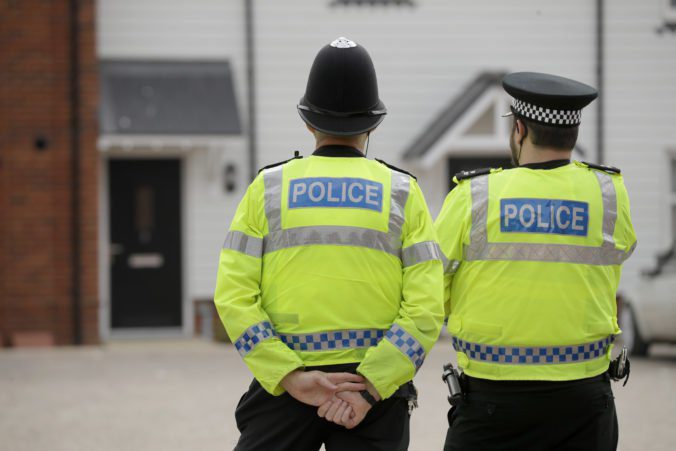
The United Kingdom is preparing a sweeping overhaul of its policing system with the creation of a National Police Service modeled on the U.S. FBI. The new agency will take the lead in tackling the most serious crimes, including terrorism, large-scale fraud, online child exploitation, and organized criminal networks.
Home Secretary Shabana Mahmood said the reform is necessary to confront increasingly complex and transnational threats. Fragmented regional policing structures, she argued, are no longer sufficient to address crimes that span borders and rely heavily on advanced technology.
The new service will merge existing specialist agencies and regional organized crime units, streamlining command structures and improving intelligence sharing. It will also deploy cutting-edge tools such as facial recognition and advanced data analytics.
One of the most controversial elements is the planned reduction of police forces in England and Wales from 43 to 12. Supporters see this as a move toward efficiency, while critics fear it could weaken community policing and local accountability.
The government insists the reform will strengthen national security while controlling costs through centralized procurement and recruitment. Legislative proposals are expected to be presented to Parliament shortly.
Britain’s move reflects a broader global trend toward centralized law enforcement in response to globalization, cybercrime, and terrorism. If implemented, the National Police Service would mark a historic shift in how policing is organized in the UK.