
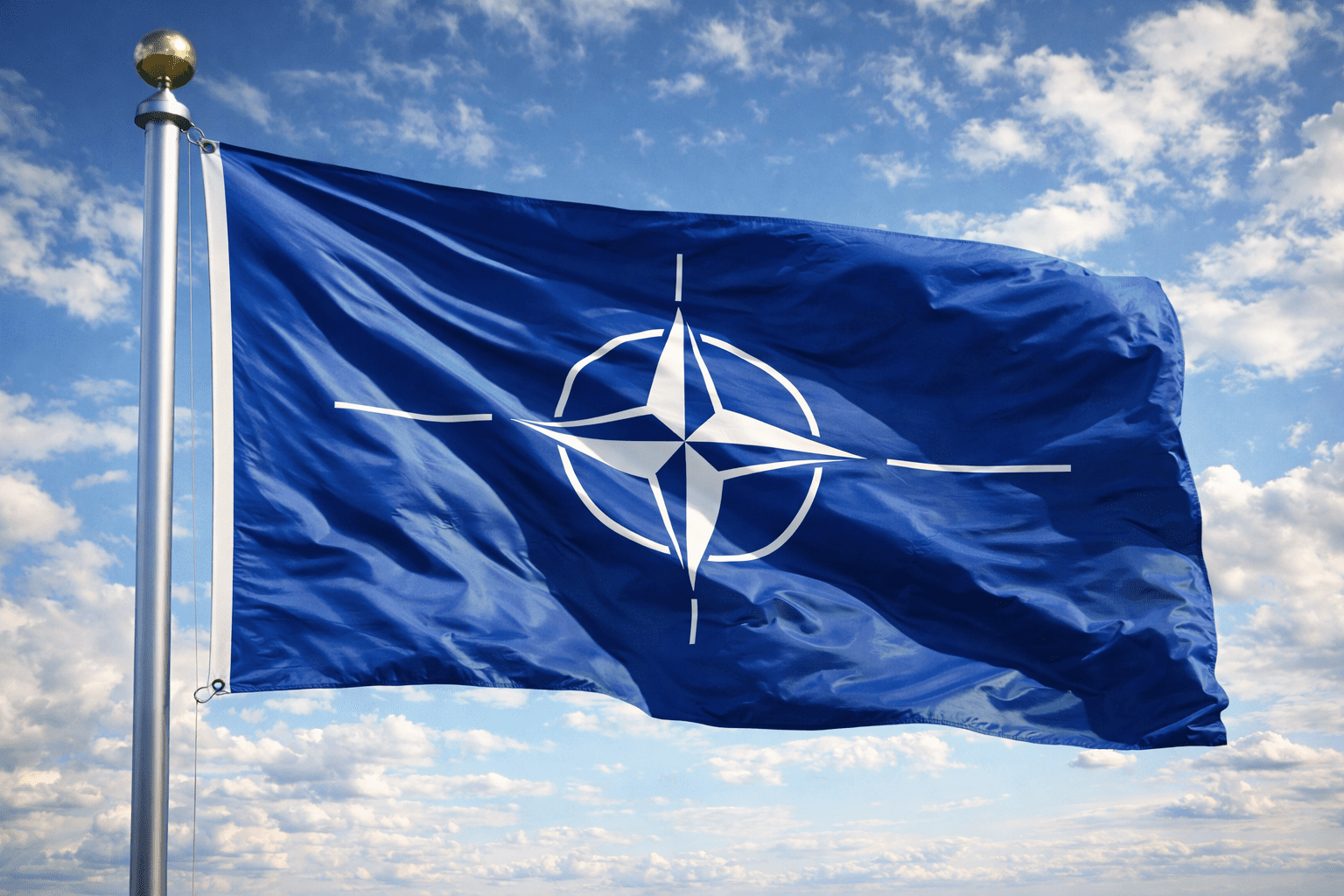
Reevaluating Europe’s Security Landscape: A NATO Without the U.S.
In recent months, whispers of reduced American commitments to NATO have reverberated throughout European capitals, causing profound contemplation about the continent’s future defense strategies. Once considered a mere theoretical discussion, the possibility of a diminished U.S. presence in NATO now beckons Europe to reconsider its security architecture. Can Europe truly assume control of its own defense without Washington’s unwavering support?
Since its establishment in 1949, NATO has been the cornerstone of European security, with the U.S. playing an indispensable role. This alliance provided a nuclear umbrella, logistical infrastructure, technological superiority, and global power projection. Should Washington curtail its involvement, Europe will face the monumental task of re-engineering its defense framework.
Increased Defense Budgets Across Europe
The ongoing conflict in Ukraine has prompted most European nations to bolster their defense expenditures. Germany, for instance, has introduced a special fund amounting to €100 billion, while Poland is vigorously modernizing its military forces. The Baltic states have surpassed the 2% GDP defense spending mark. Despite these efforts, Europe still lags in crucial areas such as satellite intelligence, strategic airlift capabilities, long-range air defense, and nuclear deterrence.
The Nuclear Dilemma
Nuclear protection remains a sensitive issue. Although Europe hosts two nuclear powers—France and the United Kingdom—the U.S. nuclear umbrella has provided broader security assurances. The potential withdrawal of the U.S. raises pivotal questions: Will France extend its nuclear protection across the entire EU? Could a collective European defense mechanism be established? These questions are paramount as Europe contemplates its security future.
Strategic Autonomy Versus Reality
The French concept of strategic autonomy is gaining traction, yet not all EU countries are ready to sever ties with the American security model entirely. Central and Eastern European nations, in particular, perceive the U.S. as the vital guarantor against Russian aggression. The potential departure of the U.S. from NATO could exacerbate tensions among member states, challenging the cohesion of the alliance.
Economic Implications
A significant increase in defense spending would necessitate reallocating funds from other public policies, placing additional pressure on national budgets and potentially sparking social tensions. Building a robust European defense system would require hundreds of billions of euros in investments for technology, infrastructure, and personnel.
Global Consequences
NATO’s weakening could have far-reaching effects beyond Europe, shifting the balance of power against Russia, empowering China in global politics, and prompting new alliances in the Indo-Pacific region. As the U.S. potentially shifts its focus to Asia, Europe may have to shoulder more responsibility for its security.
The Prospect of a European Army
While the idea of a unified European army is not new, its implementation faces numerous challenges, including divergent national priorities, language and doctrinal differences, and political concerns over sovereignty loss. Nevertheless, defense integration is gradually deepening through joint ammunition procurement, coordinated training, and defense system development.
A New Era of Security
Whether the U.S. actually reduces its commitments or not, the very discussion is already reshaping Europe’s security mindset. The continent is beginning to realize that security is not a given; it is an investment.
Conclusion
The world is entering a phase of redefining alliances. Should NATO lose its American pillar, Europe will face an unprecedented test. The question is not whether Europe is ready today, but whether it can prepare in time.
Geography of the Event:
Continent: Europe / North America
Country: USA / NATO member states
City: Washington D.C. / Brussels
#NATO #EuropeanDefense #USForeignPolicy #GlobalSecurity