
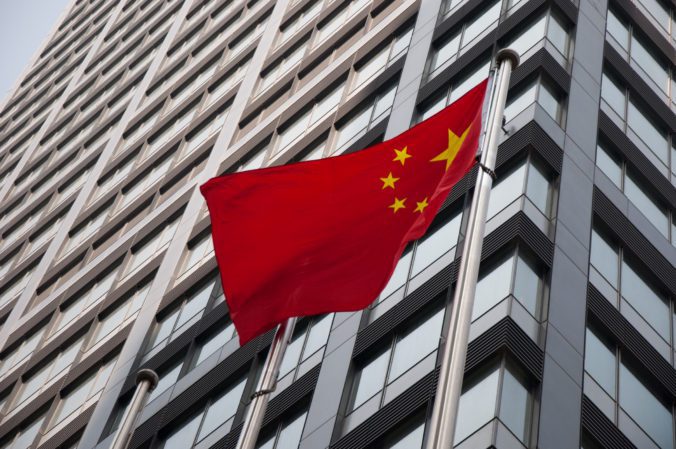
Beijing’s Bold Move in Global Geopolitics
In a recent turn of events, China has openly accused the United States and Israel of obstructing navigation in the strategically vital Strait of Hormuz. This accusation marks a significant move by Beijing as it positions itself as a prominent actor on the global stage amidst escalating tensions in the Middle East. The Chinese Ministry of Foreign Affairs has issued a call for an immediate cessation of military actions against Iran, highlighting concerns over the potential destabilization of global trade.
The Strait of Hormuz is a crucial artery for the global oil trade, with approximately one-fifth of the world’s oil production passing through this narrow waterway. Any disruption in the passage could trigger volatile price fluctuations in energy markets, affecting economies worldwide.
China’s Strategic Interest in Energy Security
As the largest global importer of oil, China’s energy security heavily relies on the stability of the Persian Gulf region. The uninterrupted flow of energy resources through the Strait of Hormuz is paramount to Beijing’s national security interests. The statements from Chinese officials suggest that the nation aims to prevent energy flow disruptions, act as a stabilizing force, and diminish U.S. influence in the region.
Shifts in Geopolitical Equilibrium
In recent years, China has been expanding its diplomatic reach in the Middle East, mediating regional agreements and forging economic ties through its Belt and Road Initiative. The allegations against the U.S. and Israel may be part of a broader strategy to bolster China’s standing as a global power. By positioning itself as a mediator and stabilizer, China seeks to enhance its influence and protect its economic interests.
Potential Impacts on Global Economy
Should the situation in the Strait of Hormuz deteriorate further, the global economy could face immediate repercussions:
- Surge in oil prices,
- Destabilization of stock markets,
- Increased inflationary pressures in multiple countries.
These factors underscore the interconnected nature of geopolitical tensions and economic stability, highlighting the global significance of the current crisis.
Conclusion
China’s pronouncements indicate that the conflict involving the U.S., Israel, and Iran is no longer a regional issue. It has escalated into a global geopolitical crisis intertwining military, economic, and diplomatic interests. As Beijing steps into the fray, the world watches closely to see how the dynamics of power and influence will evolve in this volatile region.
For the latest updates, visit Live World Updates.
Geography of the Event:
Continent: Asia
Country: China / Iran
City: Beijing / Tehran
#China #MiddleEast #Geopolitics #EnergySecurity