
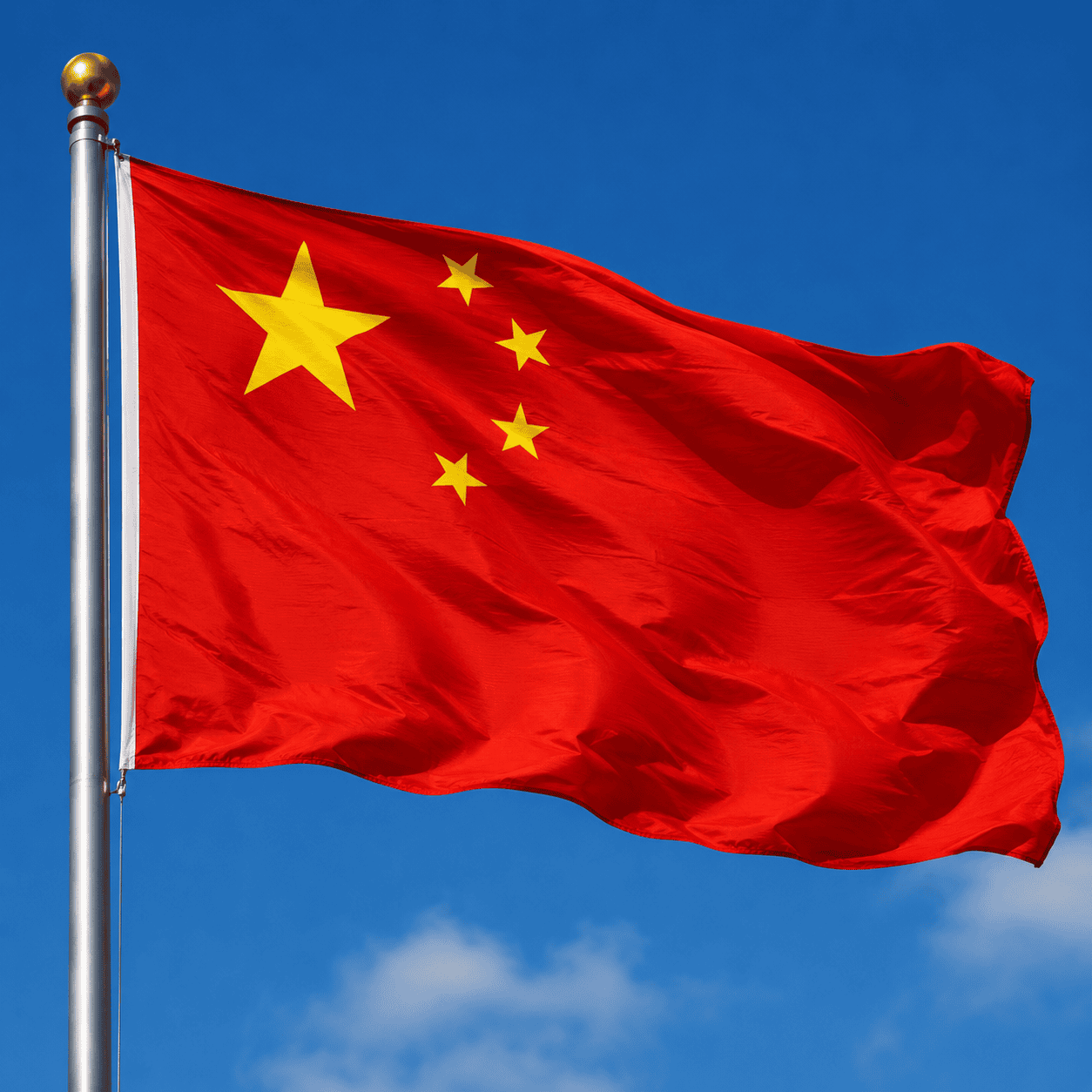
- China reveals a bold AI strategy at a major global conference.
- Focus on technological independence from the West.
- Beijing aims to shape global AI governance rules.
- Ongoing tech rivalry with the United States intensifies.
The stage is set in Shanghai as China unveils an audacious plan to redefine its role in the global artificial intelligence arena. As the World Artificial Intelligence Conference (WAIC) commences, the stakes have never been higher. China’s President Xi Jinping is not just making a statement; he’s laying down a marker.
China’s Strategic AI Vision
In a bid to fortify its position as a leading AI powerhouse, China is rolling out a comprehensive strategy. This involves massive investments, fostering international partnerships, and technological innovations aimed at reducing dependency on Western technologies. The timing is critical as tensions between China and the United States over technological supremacy continue to escalate.
Why It Matters
The significance of this move extends beyond just technological bragging rights. The global race for AI dominance has profound implications for economic power, national security, and geopolitical influence. China’s push for a self-reliant tech ecosystem signifies a shift in how future technological landscapes will be shaped.
Building a New Technological Ecosystem
Central to Beijing’s plan is the development of a homegrown tech ecosystem. At the conference, Huawei and other key Chinese semiconductor companies will showcase cutting-edge AI systems built on local processors, marking a significant step towards technological self-sufficiency. This move is not just about innovation but about asserting China’s independence in the global tech supply chain.
Global AI Governance: China’s Proposal
President Xi is set to propose a framework for international AI cooperation, aiming for a fair and safe development of AI technologies. China’s vision includes making these advancements accessible to developing nations, thereby widening its influence in regions like Asia, Africa, and Latin America. This approach challenges the notion that high-tech innovations are the sole domain of wealthy countries.
Implications for the Future
As China and the United States continue their strategic competition over AI, the outcome will have lasting impacts. The ability to innovate advanced AI systems is increasingly seen as a strategic asset equivalent to energy or military strength. In the coming years, the decisions and alliances formed could well dictate the pace and direction of one of the most transformative technological revolutions of our time.
Stay updated on this unfolding narrative at liveworldupdates.com.
Geography: Asia, China, Shanghai