
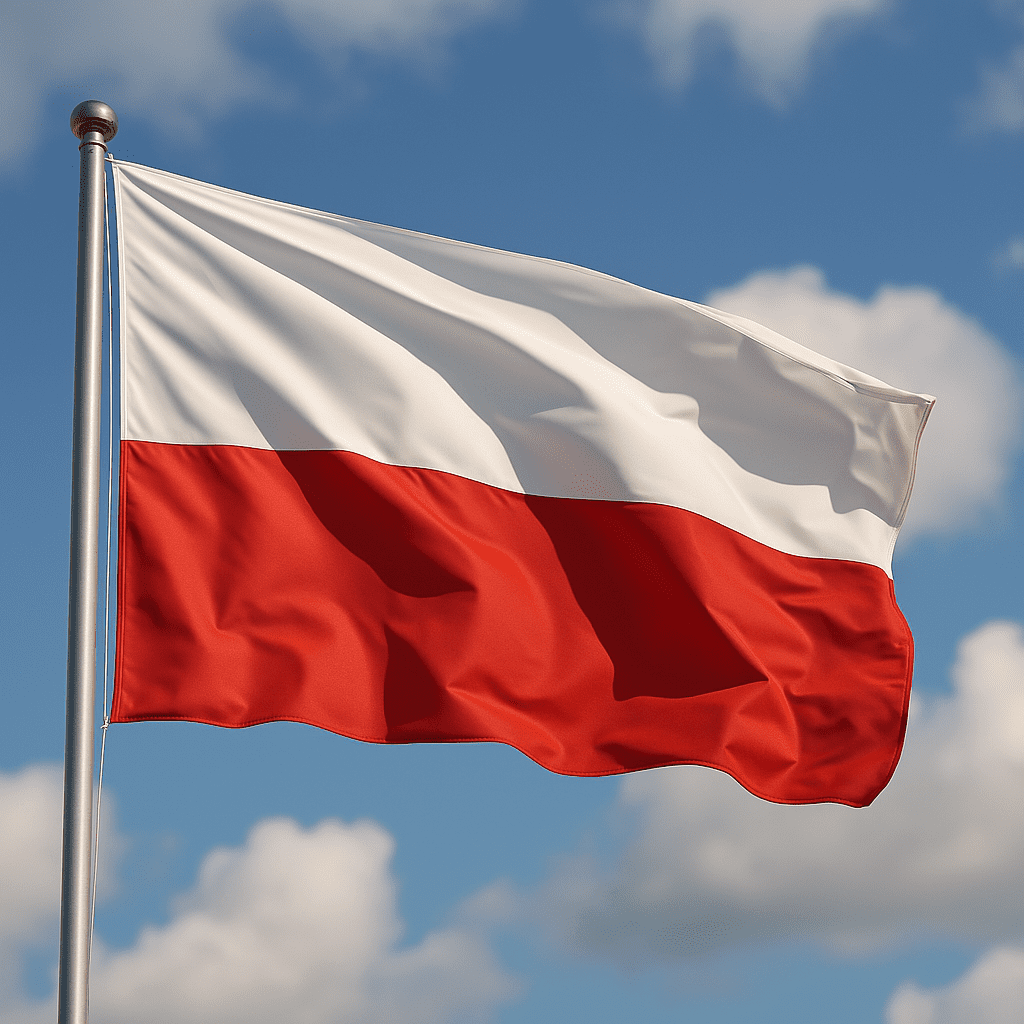
Diplomatic Gesture or Political Strategy? Polish President’s Visit to Hungary Sparks Debate
The recent visit of the Polish president to Hungary, initially intended as a demonstration of regional cooperation, has sparked a significant political debate within Poland. As the country gears up for an important election, every foreign policy move is scrutinized through the lens of domestic politics. This visit, especially the meeting with Hungarian Prime Minister Viktor Orbán, has added fuel to the fire, drawing both praise and criticism across the political spectrum.
Orbán, known as one of the most prominent figures in European politics, often finds his policies regarding Russia, sanctions, and migration in contentious discussions both in Brussels and among EU member states. Therefore, the meeting was more than just a ceremonial diplomatic stopover; it was laden with symbolism and strategic implications.
Symbolic Politics in Central Europe
In Central Europe, political symbols carry significant weight. Poland has been one of the most vocal critics of Russian aggression against Ukraine in recent years, while Hungary has adopted a more cautious stance, leading to tensions between the two nations. The visit can be seen as an attempt to renew dialogue, but it might also signal to voters that Warsaw is not willing to sever regional ties completely.
The complexity of the situation is compounded by the contrasting approaches of the two countries, highlighting the nuanced landscape of Central European politics. For Poland, maintaining a balance between expressing its critical stance on Ukraine and engaging with Hungary’s divergent approach is a delicate diplomatic act.
Electoral Context
The opposition in Poland argues that foreign policy should not be used as an electoral strategy tool. They claim that the meeting could be perceived as an endorsement of Orbán’s controversial positions. However, government officials counter that Poland must remain an active regional player. They assert that diplomatic relations with Hungary are not about personal likings but about pragmatic and strategic interests.
This debate highlights the broader issue of how foreign policy and electoral strategies intersect, particularly in regions with complex political dynamics. The outcome of this internal dispute could have lasting implications for Poland’s international relations and domestic political landscape.
The Future of Regional Cooperation
The Visegrád Group, comprising Poland, Hungary, the Czech Republic, and Slovakia, has faced considerable challenges in recent years. Divergent views on the war in Ukraine have shown that regional unity is not a given. The question remains whether this visit will lead to renewed cooperation or remain merely a symbolic gesture.
As Central Europe navigates these turbulent times, the importance of strategic alliances and diplomatic finesse becomes increasingly apparent. The outcome of this visit could either pave the way for stronger regional ties or highlight the persistent divides within the Visegrád Group.
For in-depth analyses of Central European politics, visit Live World Updates.
Geography of the Event:
Continent: Europe
Countries: Poland / Hungary
Cities: Warsaw / Budapest
#Poland #Hungary #Diplomacy #CentralEurope