
Drone Strike on Russian Refinery Sparks Geopolitical Concerns
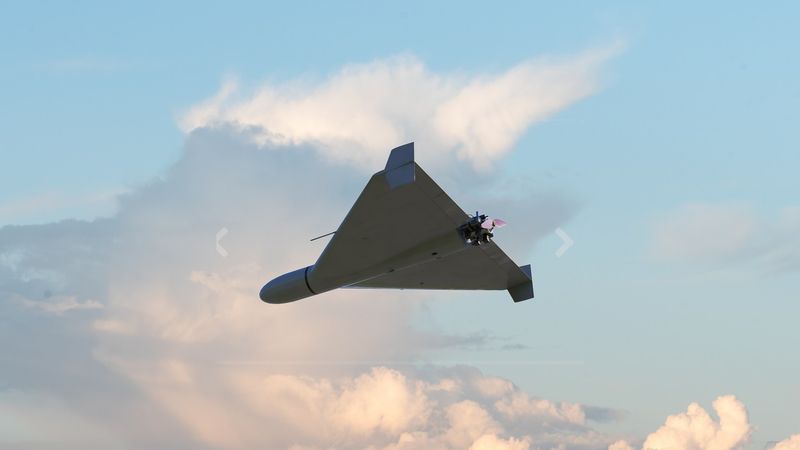
In the early hours, a Ukrainian drone strike targeted a Russian oil refinery, igniting a significant fire and disrupting fuel production. This incident has drawn attention to the evolving role of unmanned aerial vehicles (UAVs) in modern warfare, showcasing both the advanced capabilities of Ukrainian drones and the vulnerabilities of Russian targets.
The attack, likely a coordinated effort by Ukrainian forces, underscores the increasing importance of drones on the contemporary battlefield. As these devices continue to play a pivotal role, questions are being raised about the security dynamics across the region, particularly near the borders of the Baltic states.
For more detailed updates and related news, visit Live World Updates.
The Rising Role of Drones in Conflict
Drones have emerged as a critical component in current military conflicts due to their cost-effectiveness, flexibility, and ability to strike from long distances. Ukraine has successfully deployed various types of UAVs for direct attacks, reconnaissance, and infrastructure disruption, both in occupied territories and deep within enemy lines.
The assault on the refinery, a significant part of Russia’s energy sector, highlights several key points:
- Ukraine’s ability to target strategic economic objectives,
- The vulnerability of infrastructure typically deemed secure,
- The potential to breach traditional defense systems.
Fire and Its Wider Implications
The refinery, targeted in the attack, is a strategic hub for oil and gas processing in Western Russia. The fire resulted in:
- Fuel production disruptions for several days,
- Limited product distribution,
- Pressure on regional energy markets.
Energy analysts warn that similar incidents could have both short-term and long-term impacts on fuel prices across Eurasia, potentially affecting global markets.
Security Alerts Near Baltic Borders
As the Ukraine-Russia conflict persists, Baltic states such as Estonia and Latvia have reported increased foreign drone activity in their border areas. While no direct attacks have been recorded, the movement of UAVs has raised concerns about airspace violations and the testing of defense capabilities.
Responses from Baltic Nations:
- Deployment of anti-aircraft radars,
- Enhanced border monitoring,
- Coordination with NATO.
Local military analysts view this as a new security risk necessitating a reassessment of existing defense strategies.
Hybrid and Asymmetric Threats
Modern conflicts extend beyond conventional front lines. Drones, cyber-attacks, misinformation, and hybrid operations are shaping the security landscape.
Unlike traditional military threats, UAVs can be deployed:
- Quickly,
- Relatively cheaply,
- From various locations without a clear origin.
This places increased pressure on internal security policies and alliance commitments, particularly within NATO.
Increasing Anti-Air Systems
The rise of unmanned threats necessitates the parallel development of defensive systems:
- Higher-resolution radar networks,
- Automated drone identification systems,
- Mobile anti-air batteries.
Experts caution that current military investments often rely on outdated technologies, which are not optimal for detecting small UAVs.
Geopolitical Impacts
Drone actions and border responses in the Baltics have broader geopolitical implications:
- Increasing pressure on EU and NATO member countries’ military budgets,
- Prompting alliances to reassess defense strategies,
- Raising fears of irreversible conflict escalation.
Conclusion
The Ukrainian drone attack on a refinery and the heightened activity of unmanned devices near Estonia and Latvia’s borders clearly illustrate that modern conflicts are not confined to front lines. Unmanned technologies have become a crucial element of new warfare strategies and a significant challenge for Europe’s security policies.
Geography of the Event:
Continent: Europe / Asia
Country: Ukraine / Russia / Estonia / Latvia
City: Refinery in Western Russia / Borders with Estonia and Latvia
#DroneWarfare #BalticSecurity #GeopoliticalTensions #ModernConflict