
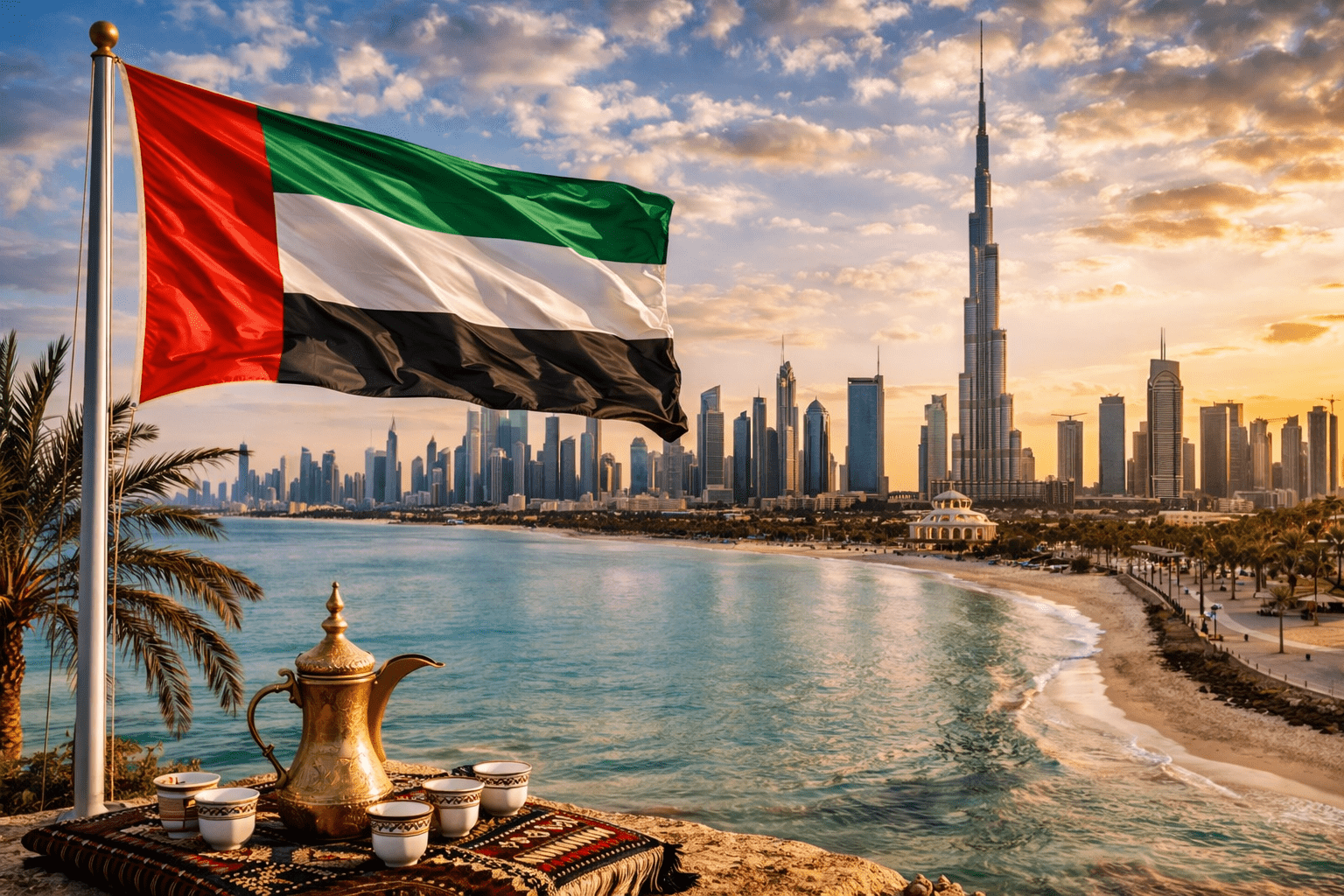
Dubai: A Beacon of Stability Amidst Regional Turbulence
Summary:
- Dubai maintains stability despite rising regional conflicts.
- Security measures have been heightened due to attacks on infrastructure in the Persian Gulf.
- Strategic economic diversification and defensive readiness bolster UAE’s resilience.
- Residents and investors continue to trust Dubai as a reliable business and transportation hub.
In the heart of the Middle East, Dubai stands as a testament to prosperity and stability, even as regional conflicts intensify. From attacks on oil facilities to strained relations between Iran and its neighbors, Dubai has managed to maintain its calm and prosperity. Its towering skyscrapers and bustling trade centers shine as beacons of certainty amidst uncertain times.
While conflicts in Iraq, Syria, Yemen, and tensions between Iran and Israel escalate, Dubai presents a remarkable example of how stability can exist in close proximity to war zones.
Regional Security Challenges
The Middle East is one of the world’s most unstable regions, with an increasing number of armed conflicts:
- Missiles and Drones over the Persian Gulf: Several attacks by Iranian allies on oil and gas facilities in Oman and the UAE have caused significant damage and supply disruptions.
- Drones Intercepted at Fujairah: Recent incidents, including the downing of drones over industrial zones near Fujairah and Dubai, revealed that even some of the most crucial economic hubs face threats not only in words but also through physical attacks.
- Tanker Attacks: Multiple attacks on commercial vessels in the Strait of Hormuz have recently caused fires and damages to ships.
Although many of these incidents did not directly target Dubai, their geographical proximity and ties to regional politics have prompted increased vigilance from government authorities.
Security Response and Air Defense
The United Arab Emirates has invested heavily in strengthening its defense:
- Advanced radar systems for early warning against aerial threats.
- Anti-missile and air defense technology capable of intercepting fast drones and incoming missiles.
- Extended monitoring of coastal and airspace areas.
These measures have proven effective in responding to recent regional incidents. The government has also heightened control over ports and aviation infrastructure, which are crucial for the economy.
Dubai’s security agencies are linked with international intelligence services, exchanging information with partners from NATO, the USA, Europe, and Asia to prevent potential attacks.
Economic Diversification: Ensuring Stability
Dubai is not just a refinery or an energy hub. Through ambitious projects like the Dubai International Financial Centre (DIFC), technology zones, and tourist destinations, the city has established itself as a global financial hub.
During regional conflicts, the following remained:
- Air travel relatively stable
- Investments in real estate and infrastructure ongoing
- The banking sector operates with minimal fluctuations
Smart governance and strategic planning have allowed the UAE to minimize economic shocks that could otherwise be caused by geopolitical instability.
Social and Cultural Stability
Most of Dubai’s population comprises expatriates from Europe, Asia, and Africa. This multicultural “mosaic” character of the city also reflects its ability to absorb social shocks.
Local authorities invest in:
- Safe zones for families
- Harmonization of foreigners’ rights
- Community programs that enhance mutual trust
Despite external threats, Dubai’s residents do not succumb to fear – defensive policies and state communication help maintain a mood of trust.
Dubai’s Geopolitical Significance
Dubai is not just of local significance. It is:
- A connecting hub between East and West
- A center of trade and e-commerce
- A financial hub with international reach
The UAE’s political and economic decisions impact:
- Energy commodity prices
- The stability of air routes between Europe, Asia, and Africa
- Investment strategies of global funds
Lofty skyscrapers, a vibrant startup environment, and investments in technology make Dubai a symbol of modern stability, embodying resilience in an unstable region.
Future Challenges
While Dubai remains an oasis of order, it is not immune to risks:
- The threat of conflict spreading in the Persian Gulf
- Technological – cyber-attacks on financial institutions
- Terrorist threats linked to regional militant groups
- Energy chokepoints that could disrupt economic flows
The response lies in the continuous modernization of military capacities, intelligence, and partnership cooperation with Western and regional partners.
Conclusion: Dubai as an Island of Stability Amidst Conflicts
Dubai offers a fascinating study of how one of the world’s most dynamic metropolises can maintain calm in times of growing wars in its immediate vicinity. A combination of strong intelligence capabilities, investments in defense, diplomatic neutrality, and economic diversification allows the UAE to function as a reliable partner for trade, finance, and travel.
While many regions grapple with instability, Dubai remains an example of resilience – though it continually keeps an eye on how far the shadow of conflicts extends.
Geography of the Event:
Continent: Asia
Country: United Arab Emirates
City: Dubai
#Dubai #MiddleEast #Stability #Economy