
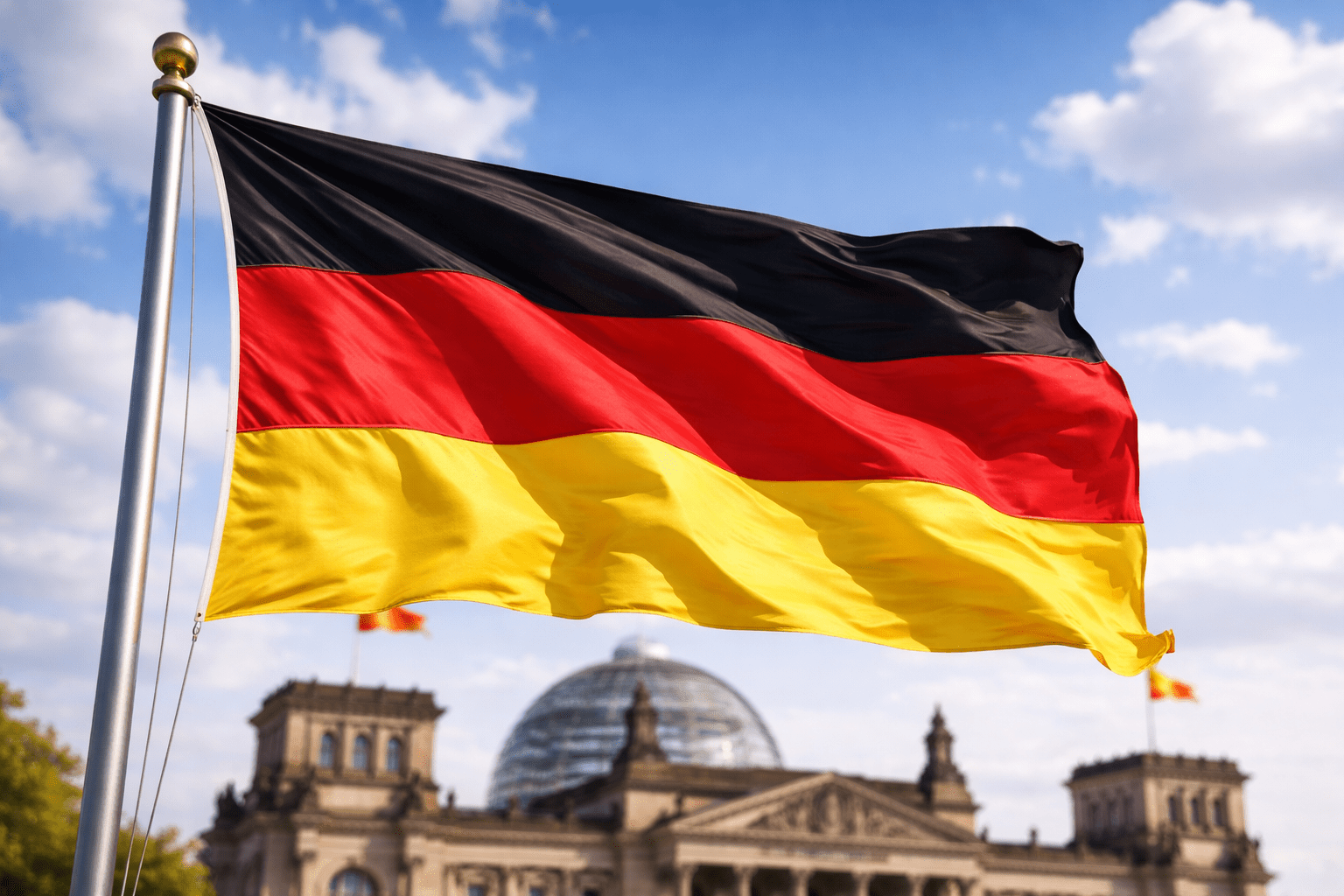
Germany’s Strategic Shift: A New Chapter in Defense Policy
Germany, a nation historically known for its cautious approach to military engagement, is undergoing a profound transformation. This shift has been catalyzed by the Russian invasion of Ukraine in 2022, marking a pivotal moment in German defense strategy. The coalition government, led by Chancellor Olaf Scholz, stands at the forefront of this change. Comprising the Social Democratic Party (SPD), the Greens, and the Free Democratic Party (FDP), the government is navigating a delicate balance between military support for allies and adherence to international law.
The term Zeitenwende, or “turning point,” aptly captures this new era in German security doctrine. Shortly after the conflict in Ukraine commenced, Scholz announced a historic increase in defense spending, including a special fund of 100 billion euros dedicated to modernizing the German military. This move signifies a departure from decades of restrained military policy, as Germany aims to meet NATO’s target of investing 2% of its GDP in defense by 2026.
Supporting Ukraine: A Cautious Approach
Germany has emerged as one of the principal European supporters of Ukraine, supplying advanced Leopard 2 tanks, IRIS-T air defense systems, and substantial financial aid. However, Berlin’s approach remains cautious. Each decision regarding heavy weaponry supply is subject to political debate, with Scholz emphasizing Germany’s commitment to act in coordination with allies, rather than unilaterally.
This strategy is driven by two primary objectives:
- Preventing direct confrontation between NATO and Russia
- Maintaining the unity of the European Union and the transatlantic alliance
Germany’s Role in the Middle East
In the Middle East, Germany maintains a balanced stance. While supporting Israel’s right to self-defense, it also underscores the importance of civilian protection and adherence to international humanitarian law. Berlin positions itself as a diplomatic bridge between Europe and the region, advocating for multilateral solutions and regional agreements through platforms like the United Nations.
Domestic Political Landscape
Domestically, the coalition government faces pressure from both ends of the political spectrum. The conservative opposition calls for a more assertive stance against Russia, while parts of the public express concerns about militarization. The rise of the far-right Alternative for Germany (AfD) indicates skepticism among some voters regarding extensive foreign engagement.
The Greens, historically rooted in pacifism, now paradoxically stand among the staunchest supporters of Ukraine, reflecting a significant shift in political culture.
Economic Implications of Military Engagement
Germany’s status as an export-driven economy is subject to the repercussions of sanctions against Russia. The pivot away from Russian gas has created short-term economic tensions but also accelerated Germany’s energy transition. Investment in defense bolsters the domestic arms industry but raises questions about public spending priorities.
Looking Ahead: Germany’s Strategic Future
Germany finds itself at a crossroads between two identities: an economic civilian power and a responsible security actor. The country’s ongoing efforts to redefine its role in Europe are shaped by the context of the Ukrainian conflict and escalating global tensions. Berlin can no longer afford to be a mere “observer” on the world stage.
The future will reveal how far Germany is willing to go. Its current policy is anchored in three pillars:
- Multilateralism
- Cautious military support
- Diplomatic solutions
Conclusion
Germany is experiencing a significant transformation in its security identity. From a nation that historically shunned military power, it is emerging as an active player in European defense. Its approach to conflicts is a blend of historical responsibility, pragmatism, and a commitment to preserving Western unity. Berlin strives to be a stabilizing force, rather than an aggressor or passive spectator.
As global conflicts deepen, only time will tell if Germany can maintain this delicate balance.
Geography of the Event:
Continent: Europe
Country: Germany
City: Berlin
For continuous updates on international developments, visit Live World Updates.
#Germany #SecurityPolicy #UkraineConflict #GlobalPolitics