
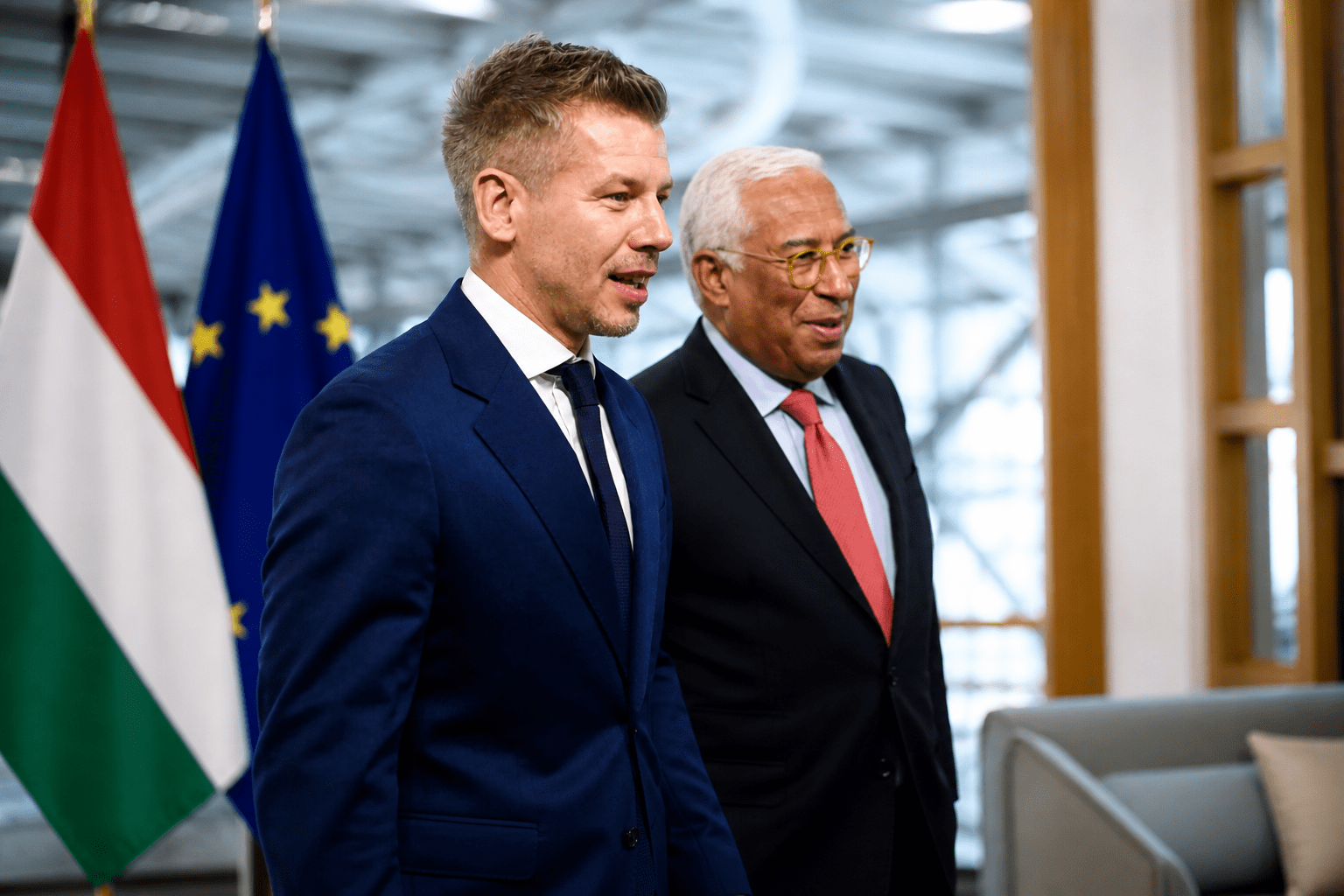
- Hungary’s incoming PM nominates his brother-in-law as justice minister
- Nominee’s wife to resign as judge to avoid conflict of interest
- New government to take office on May 9 following election victory
- European Commission monitoring Hungary’s commitment to rule of law
The decision to appoint a close family member to a key governmental position in Hungary is stirring controversy both domestically and internationally. Péter Magyar, set to become Hungary’s next Prime Minister, has nominated his brother-in-law, Márton Melléthei-Barna, for the role of justice minister. This bold move is seen as a double-edged sword—while it reflects confidence in the nominee’s abilities, it also raises pressing questions about nepotism in government.
Controversial Nomination Raises Ethical Questions
In a surprising political maneuver, Péter Magyar has defended his choice to nominate Melléthei-Barna, who is married to Magyar’s sister. The nomination has sparked heated debate due to its potential ethical implications. To mitigate conflicts of interest, Melléthei-Barna’s wife has agreed to step down from her judicial role, a decision Magyar emphasizes as a necessary step to maintain judicial independence.
Why This Matters
As Hungary prepares for a new era under Magyar’s leadership, the nomination is more than just a familial appointment. It symbolizes a turning point in Hungarian politics, where the need for transparency and adherence to rule of law is more critical than ever. The government’s legitimacy and effectiveness will be under scrutiny, especially given Hungary’s recent political history.
Geopolitical and Economic Implications
Hungary’s relationship with the European Union hangs in the balance. Key EU funds have been withheld due to concerns over Hungary’s commitment to democratic principles. Magyar’s administration must convince European leaders that Hungary is on the path to reform, particularly in judicial independence and anti-corruption measures.
Public and International Reactions
The nomination has elicited mixed reactions. While some view it as a step toward progress and reform, critics argue that it undermines the very principles it seeks to uphold. The European Commission has already indicated it will closely monitor the new government’s actions, particularly in legal reforms.
Future Scenarios and Challenges
Looking ahead, the success of Magyar’s government will largely depend on its ability to implement substantial reforms. Failure to do so could jeopardize Hungary’s standing within the EU and its access to crucial funding. Magyar’s proactive measures, such as the resignation of family members from public roles, are steps in the right direction, but the ultimate test will be in tangible outcomes.
Live World Updates will continue to cover this developing story and its implications for Europe and beyond. For more insights, visit Live World Updates.
Geography: Europe, Hungary, Budapest
#HungarianPolitics #EuropeanUnion #www.liveworldupdates.com
#AktualizovaneSpravodajstvo