
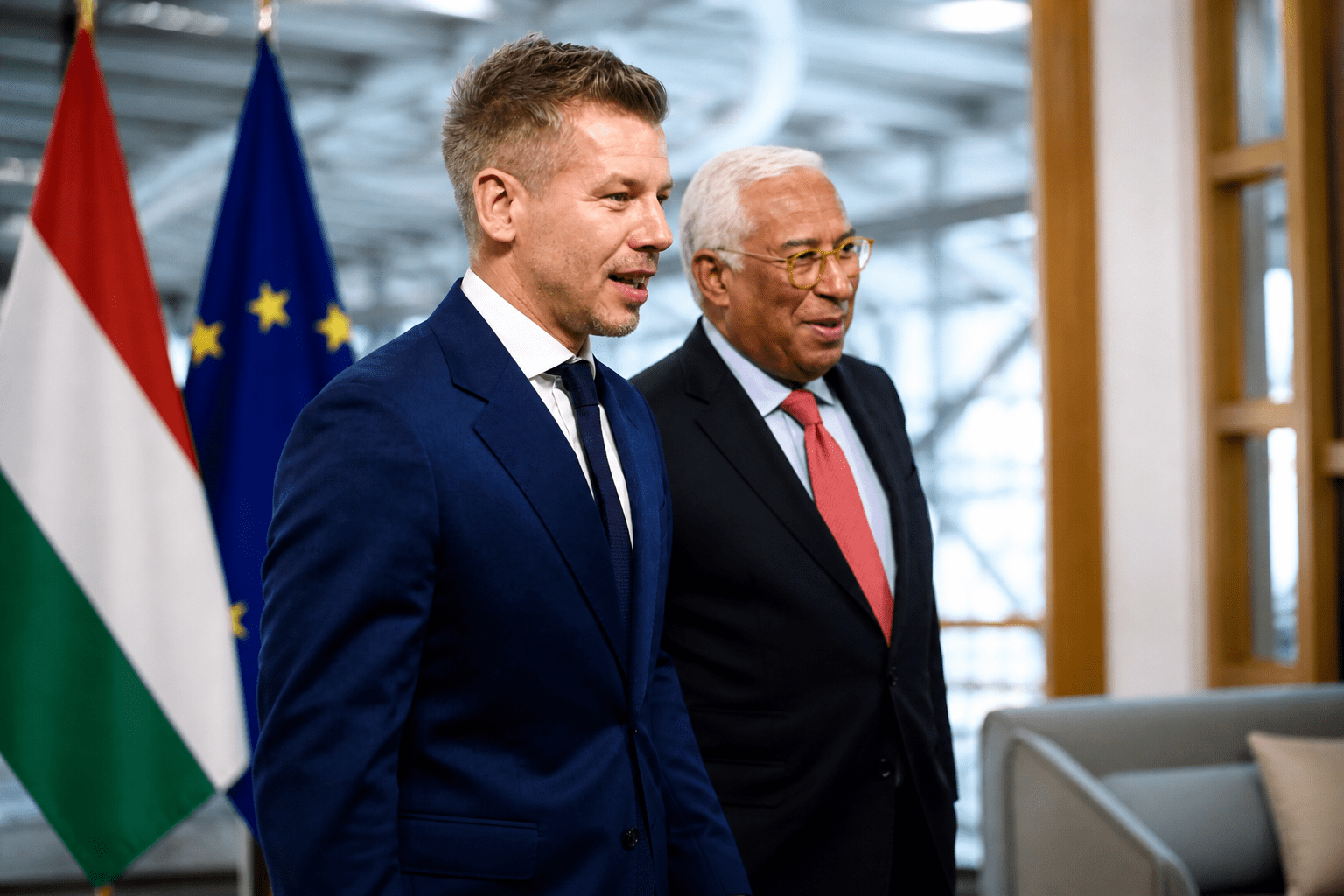
- Péter Magyar takes charge as Hungary’s new prime minister, ending Viktor Orbán’s 16-year reign.
- The new leadership is restructuring state institutions and restoring public trust in democracy.
- Hungary aims to strengthen ties with the European Union and distance itself from Moscow.
- Changes in Hungary could impact Slovakia, the Visegrád Group, and Central Europe.
The political landscape of Hungary is undergoing a transformation that could reshape Central Europe. As Viktor Orbán’s long-standing grip on power loosens, a fresh leader emerges with a vision that reorients Hungary’s future.
The Shift in Power
Péter Magyar’s rise to the premiership marks a pivotal moment in Hungary’s recent history. His leadership comes as a response to widespread criticism of Orbán’s consolidation of power and contentious dealings with Brussels. Magyar aims to usher in a new era, both domestically and on the international stage.
Why It Matters
The implications of Magyar’s leadership extend beyond Hungary’s borders. By prioritizing democratic principles and renewing alliances with the European Union, Hungary signals a strategic departure from its previous Moscow-centric approach. This shift holds the potential to recalibrate regional dynamics, especially within the Visegrád Group.
Context and Consequences
Under Magyar, Hungary is poised to rebuild its institutional framework, a process that challenges the entrenched influence of Orbán’s Fidesz party. The transparency of this overhaul is evidenced by exposing the opulence of the previous administration’s facilities, contrasting sharply with the underfunded public services.
International Relations Revamped
One of the most significant changes is Hungary’s repositioning in global politics. Moving away from Moscow’s influence, the new government is committed to being an active member of the EU and NATO. Péter Magyar’s initial diplomatic visits to Warsaw underline this fresh orientation.
Implications for Slovakia and Beyond
Hungary’s new trajectory may catalyze a stronger Central European bloc, revitalizing the Visegrád Group. This potential alliance could encompass 70 million people and influence regional policy-making. Moreover, sensitive historical issues, like the Beneš Decrees, are approached with an emphasis on collaboration over conflict.
Future Prospects
Hungary’s current transformation could set a precedent for political change across Europe. If successful, Péter Magyar’s administration might redefine Hungary’s role in the EU and alter power balances in the region. This is a pivotal moment for Hungary and its neighbors, as they navigate a complex geopolitical landscape.
For more insights on global developments, visit liveworldupdates.com.
Geografia: Európa, Maďarsko, Budapešť