
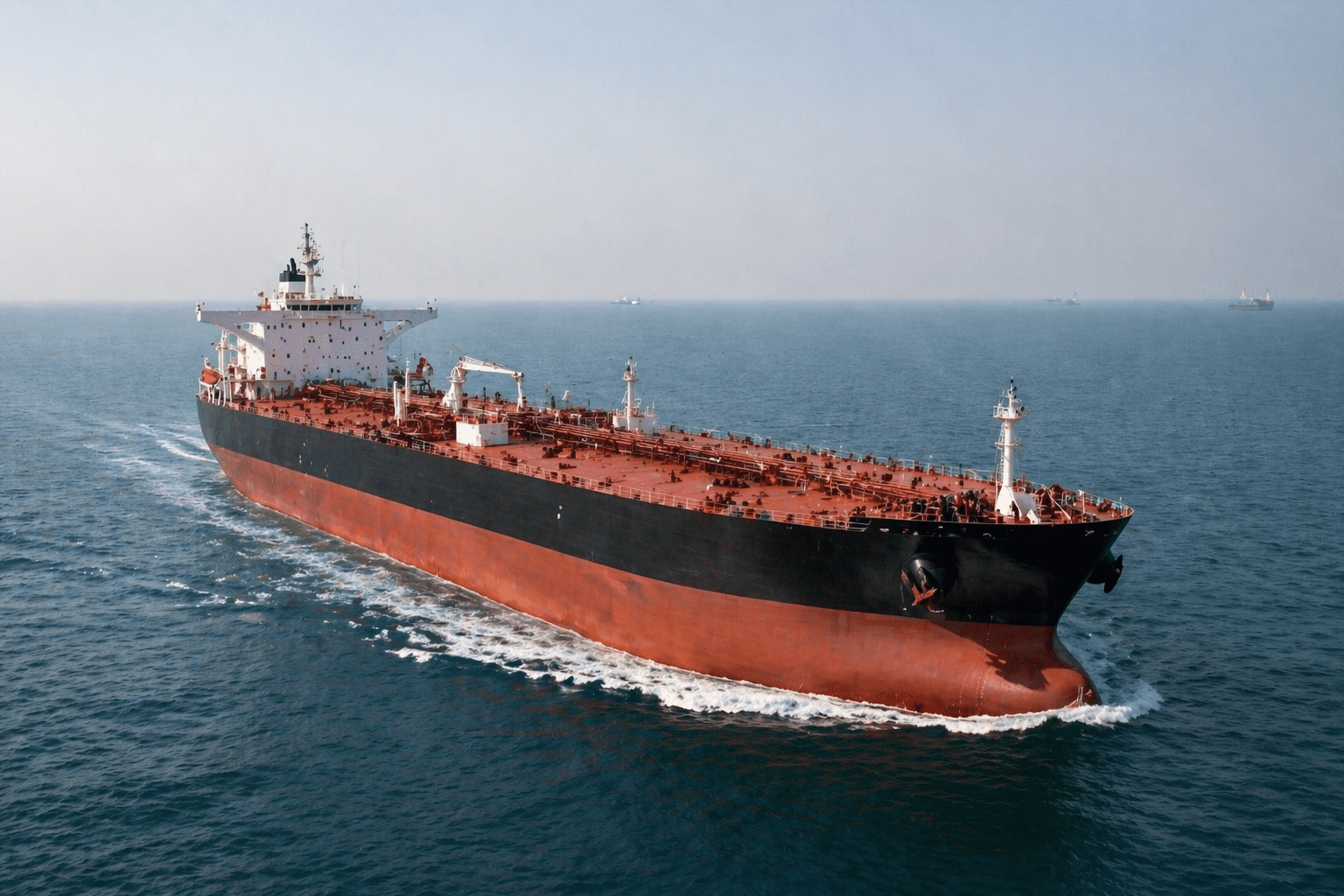
- Iran employs a “shadow fleet” to bypass international sanctions.
- Despite near-paralysis in the Strait of Hormuz, oil exports continue.
- The US and Iran detain vessels, escalating maritime tensions.
- Global oil prices and energy security are at stake.
In a surprising twist of maritime maneuvering, Iran is successfully defying international sanctions, keeping its oil exports flowing even as tensions escalate in the Strait of Hormuz. The secret? A “shadow fleet” of tankers operating beyond the gaze of global oversight.
The Silent Surge of Iran’s Oil
Despite a drastic drop in shipping activity—over 90%—in the region, Iran’s oil exports remarkably persist. Utilizing a fleet adept at evading official tracking, Iran ships between 1.5 to 1.7 million barrels daily, nearing pre-crisis levels.
Strategic Importance and Rising Tensions
This ongoing export defies a US-led naval blockade initiated in April 2026, which aimed to clamp down on Iran’s oil trade. In response, Iran has not hesitated to seize tankers and disrupt commercial vessels, further intensifying the “tanker war” at sea.
Geopolitical Ramifications
The impact of this conflict extends beyond regional boundaries. With the Strait of Hormuz—a crucial oil transit chokepoint—nearly gridlocked, the global economy braces for potential aftershocks. Oil prices remain volatile, threatening economic stability worldwide.
Looking Ahead
The possibility of a total blockade of the Strait looms large, promising a seismic shift in energy markets. Such a scenario could trigger the most significant disruption in recent decades, with far-reaching consequences for consumers and economies globally.
Iran’s fleet, more than a logistical tool, emerges as a potent strategic asset shaping geopolitical and economic landscapes.
For more insights, visit Live World Updates.
Geography: Asia, Iran, Strait of Hormuz
#IranOilCrisis #GlobalEconomics #www.liveworldupdates.com
#AktualizovaneSpravodajstvo