
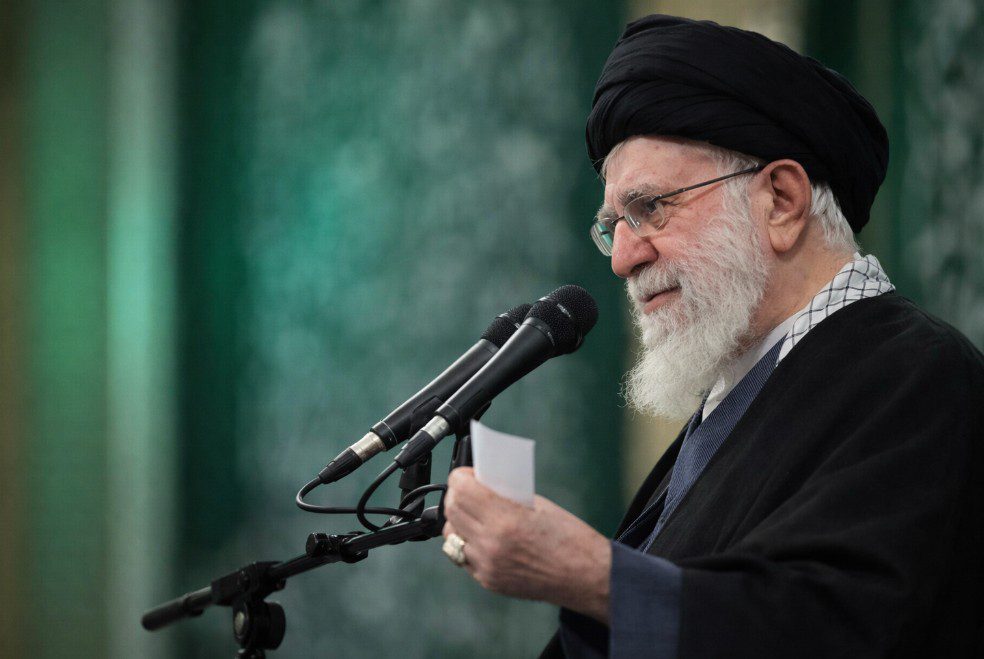
Iran’s Supreme Leader Ali Khamenei has publicly acknowledged for the first time that thousands of people were killed during recent nationwide protests, while placing responsibility squarely on the United States and President Donald Trump. In a televised address, Khamenei accused Washington of openly encouraging demonstrators and promising military support, describing Trump as a criminal responsible for both deaths and destruction.
The unrest began in late December, initially driven by public anger over severe economic conditions, rising inflation, and unemployment. Within days, the protests spread across the country and evolved into a direct challenge to Iran’s political leadership. Khamenei framed the events as a foreign-backed attempt to destabilize the Islamic Republic.
Silence on security forces
Notably absent from Khamenei’s speech was any reference to the actions of Iran’s security forces. Eyewitnesses and human rights organizations have documented extensive use of force, including live ammunition fired at protesters from streets and rooftops, as well as the deployment of drones. The U.S.-based Human Rights Activists News Agency estimates that more than 3,600 people were killed, a figure disputed by Iranian authorities and impossible to independently verify.
A protester in Tehran described security forces using laser sights to aim at demonstrators’ heads. “They were shooting people in the face,” the witness said, speaking anonymously. Protesters, he added, were largely unarmed.
Foreign interference narrative
Khamenei divided protesters into two categories: those allegedly trained and funded by the United States and Israel, and young people he described as naive and manipulated. He claimed they attacked infrastructure, mosques, schools, banks, and medical facilities. Iranian officials have repeatedly blamed foreign actors for unrest, though no concrete evidence has been presented.
Iran’s Foreign Minister Abbas Araghchi downplayed the death toll, insisting that fatalities numbered in the hundreds, not thousands, and calling higher figures a misinformation campaign.
Escalating rhetoric with Washington
During the unrest, Trump publicly encouraged protesters to continue demonstrations and to “take over” state institutions. After Khamenei’s remarks, Trump responded by calling the Iranian leader a “sick man” and demanding new leadership in Tehran. Iranian President Masoud Pezeshkian warned that any attack on the supreme leader would be treated as an act of war.
Internet shutdown as a control tool
As protests intensified, Iranian authorities imposed a near-total internet blackout. According to NetBlocks, connectivity dropped to around two percent of normal levels. While limited access has since returned, observers view the shutdown as a key tool for suppressing dissent and controlling information.
Analytical conclusion
Khamenei’s admission of mass casualties is unprecedented, but his refusal to acknowledge state responsibility suggests continuity rather than change. Although authorities claim the protests have been extinguished, the economic and political grievances that fueled them remain unresolved. Iran, analysts warn, continues to face a high risk of renewed instability.