
Hungary’s Stand on Fuel Prices Sparks Tensions with the EU
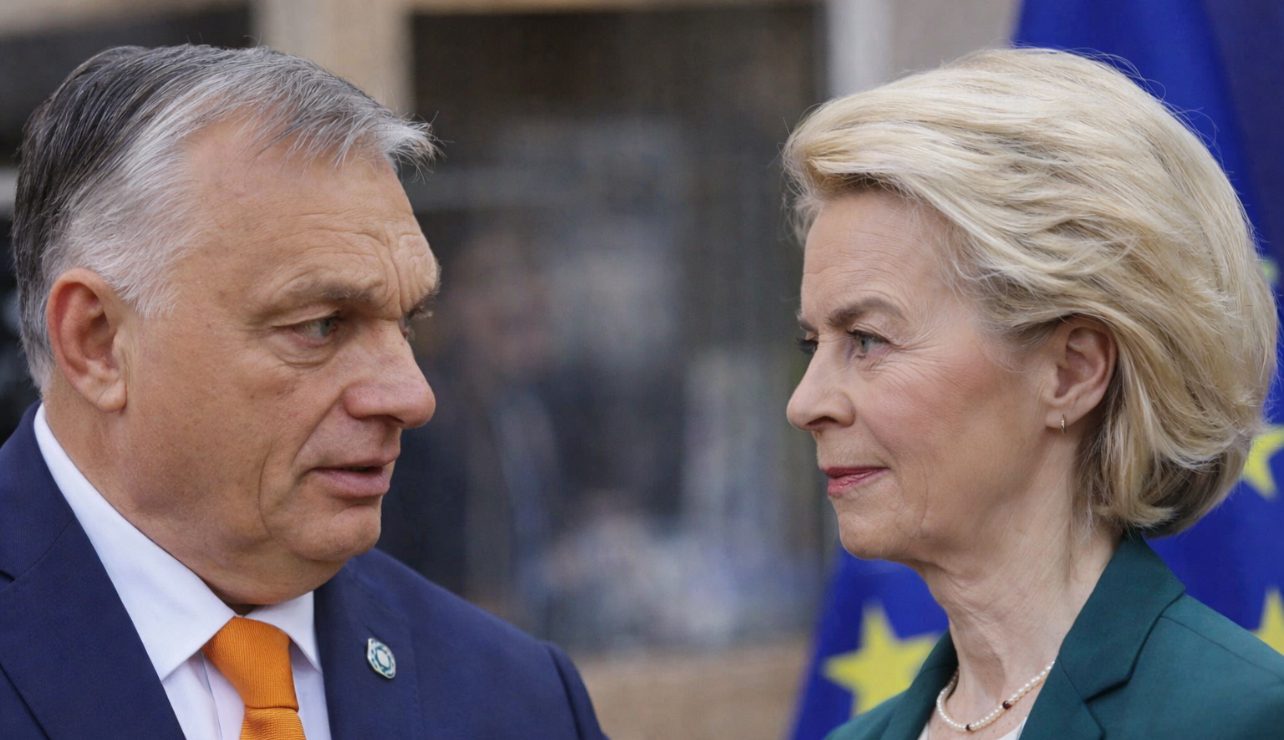
In a surprising turn of events, Hungarian Prime Minister Viktor Orbán has taken a firm stand against the European Commission’s demands to alter fuel pricing policies. Orbán’s government has decided to maintain regulated fuel prices exclusively for domestic consumers, disregarding Brussels’ call for a more unified approach. This move has intensified the ongoing tensions between Hungary and the European Union, highlighting a growing rift within the bloc.
The Core of the Conflict: Energy Crisis and Geopolitical Tensions
Orbán’s decision comes at a time when Europe is grappling with an energy crisis, exacerbated by geopolitical conflicts and disrupted supply chains. The Hungarian government argues that the restriction of oil supplies, notably from Ukraine, further threatens the nation’s energy security. As a response, Orbán insists on protecting domestic consumers from escalating costs, a stance he deems necessary amidst the crisis.
However, this approach clashes with the EU’s single market rules, which aim to ensure equal conditions for all member states. The European Commission, led by Ursula von der Leyen, has long advocated against measures that could disadvantage foreign consumers. Orbán, on the other hand, emphasizes national sovereignty, asserting that Europe remains “a community of nations, not an empire governed from Brussels.”
Wider Implications and Potential Repercussions
The standoff between Budapest and Brussels could have broader implications for the functioning of the European Union. Similar disputes have previously arisen over migration policies, the rule of law, and budgetary issues. Analysts warn that unilateral measures in energy pricing could disrupt market mechanisms and provoke reactions from other member states. At the same time, governments face immense public pressure to shield their economies.
This situation underscores the dilemma of balancing European rules with national political realities, especially as energy costs continue to soar. The unfolding scenario raises questions about the future direction of the EU and whether a compromise can be reached between uniform regulations and the need to protect domestic economies.
For more detailed analyses on energy policy developments and their global impacts, visit Live World Updates, a portal that tracks key geopolitical trends.
Energy Policy as a Political Tool
In recent years, energy policy has emerged as a pivotal issue in European politics. Countries are striving to secure stable supplies while mitigating impacts on their populations. Hungary is among those seeking to retain control over energy prices through state intervention, a strategy that runs counter to the market-based solutions preferred by some European institutions.
The dispute over fuel prices reflects a broader conflict between centralized governance and national policies, potentially influencing the future trajectory of the entire European Union.
Analytical Conclusion
Viktor Orbán’s statements underscore the deepening tensions between national governments and European institutions during crises. Energy policy is becoming a crucial tool in political decision-making and a source of conflict. The coming months will reveal whether a balance can be struck between unified rules and the imperative to protect domestic economies, or if the differences among member states will become even more pronounced.
Geography: Europe, Hungary, Budapest
#Orban #EU #EnergyPolicy #Europe #AktualizovaneSpravodajstvo