
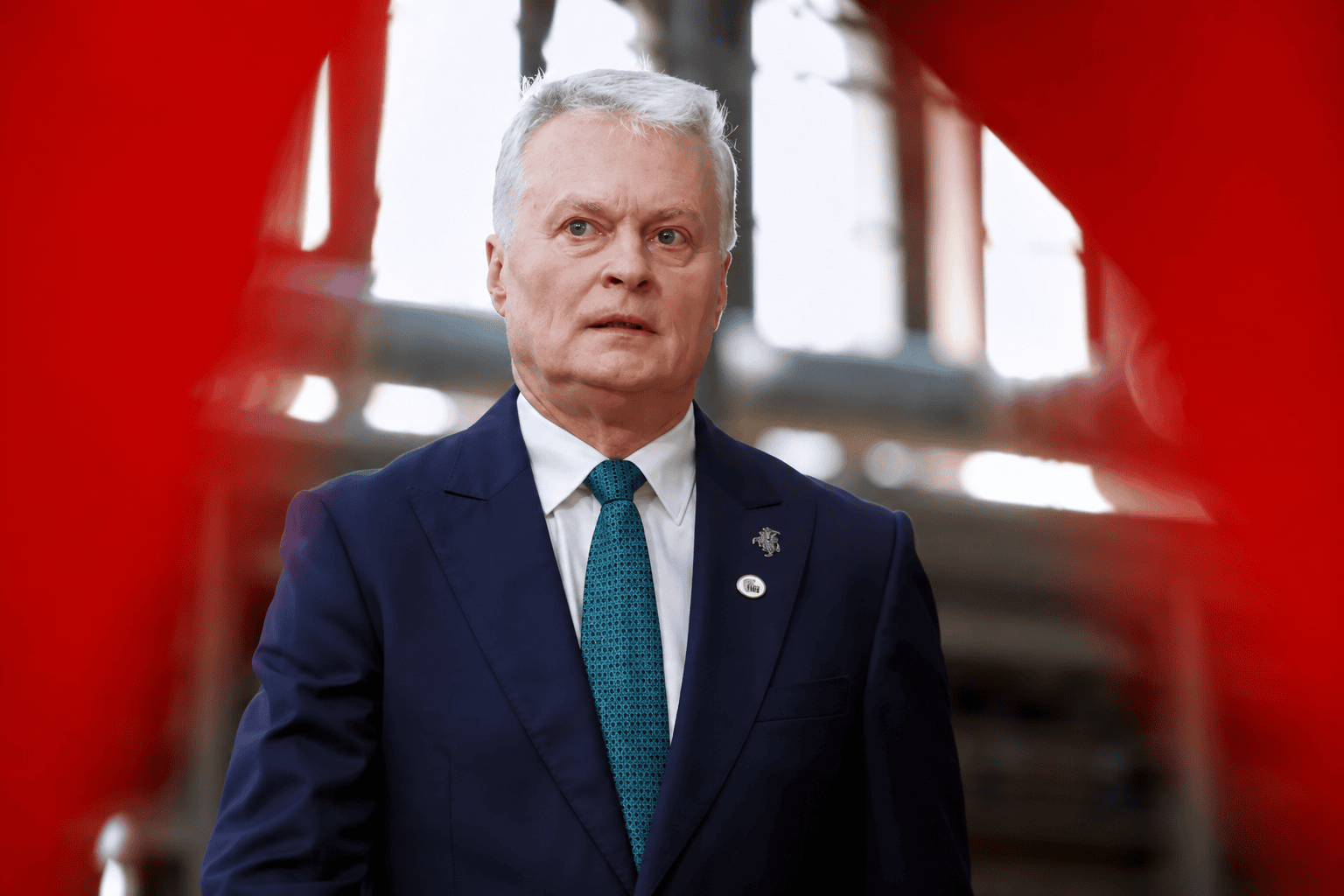
- Lithuania proposes constitutional change to allow nuclear weapons.
- Broad political agreement aims to bolster NATO’s deterrence.
- Strategic response to escalating threats from Russia.
- Potential for U.S. nuclear arms deployment in Lithuania.
The geopolitical landscape of Eastern Europe is shifting, and Lithuania is taking a decisive step. Faced with growing regional threats, the nation is considering a groundbreaking change that could reshape its security strategy and influence NATO dynamics significantly.
Rewriting the Rules: Lithuania’s Constitutional Shift
Lithuania is poised to remove a constitutional ban on weapons of mass destruction, a move driven by heightened security concerns. This initiative, backed by a majority of political parties, aims to align the country’s defense policies with current realities and strengthen NATO’s deterrence against Russian aggression.
A Necessary Deterrent
Located near the heavily militarized Russian region of Kaliningrad, Lithuania has been at the forefront of advocating for stronger collective defense measures. By potentially hosting U.S. nuclear weapons, Lithuania seeks to enhance its security posture and contribute more robustly to NATO’s Eastern flank.
Regional Implications and Strategic Alignments
This proposal is part of a broader NATO strategy to reinforce its presence in Eastern Europe. The United States is exploring options to extend its nuclear capabilities closer to Russian borders, with Lithuania possibly joining countries like Belgium, Germany, and Turkey in hosting nuclear arms under NATO’s sharing program.
Global and Local Reactions
The move has garnered attention beyond Lithuania, with countries like Finland also adjusting their policies to allow allied nuclear forces. These developments underscore a collective shift in defense strategies, prompted by the ongoing conflict in Ukraine and perceived threats from Russia.
Looking Ahead: Strategic Consequences
If implemented, this constitutional amendment could pave the way for significant changes in NATO’s defense architecture, impacting regional security dynamics. Such a development would not only bolster Lithuania’s defense capabilities but also signal a strong commitment to NATO’s deterrence objectives.
As the situation evolves, the implications for global security and regional stability remain considerable, underscoring the importance of vigilance and strategic foresight. For more insights into global developments, visit liveworldupdates.com.
Geografia: Európa, Litva, Vilnius