
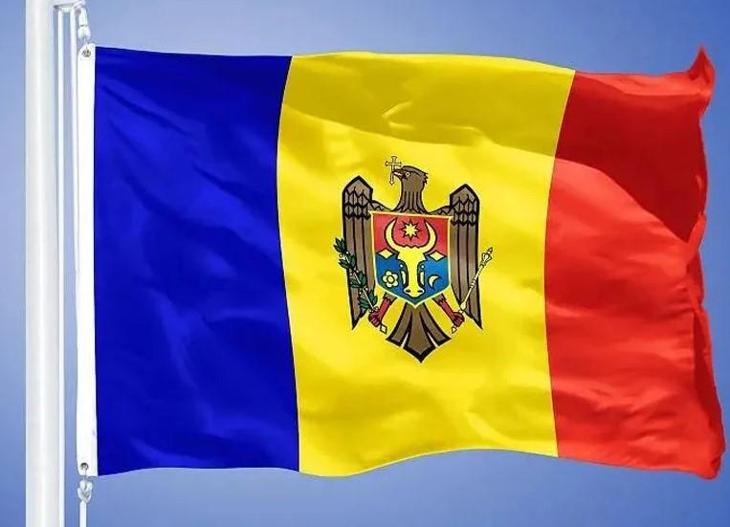
Moldova’s Historic Decision to Leave the Commonwealth of Independent States
The Moldovan parliament has made a groundbreaking decision to terminate the country’s membership in the Commonwealth of Independent States (CIS), a significant geopolitical step that echoes across the region. This decision marks a symbolic closure of Moldova’s Soviet past and a resolute affirmation of its European aspirations.
The move comes amid a rapidly changing geopolitical landscape in Eastern Europe, driven by the ongoing conflict in Ukraine and escalating tensions between Russia and the West. As Moldova takes this bold step, questions arise about the potential repercussions from Moscow and the impact on the separatist region of Transnistria.
What Does Exiting the CIS Mean for Moldova?
The Commonwealth of Independent States was established in 1991 as a cooperative platform for former Soviet republics. Although its influence has waned over the years, it still held political and symbolic significance for its members.
By exiting the CIS, Moldova is:
- Breaking away from institutional ties with the post-Soviet bloc,
- Reducing formal affiliations with Moscow,
- Aligning its foreign policy with European integration goals.
Prioritizing European Integration
Over recent years, Moldova has significantly strengthened its ties with the European Union. Achieving EU candidate status has paved the way for deeper political and economic integration.
The departure from the CIS is seen as a logical step towards:
- Harmonizing legislation with the EU,
- Enhancing democratic institutions,
- Decreasing reliance on Russian political and economic influence.
Moscow’s Potential Reaction
Moldova’s decision might provoke tension with Russia, which traditionally views the post-Soviet region as within its sphere of influence.
The separatist region of Transnistria, where Russian troops are still present, remains a sensitive issue. If relations between Chisinau and Moscow deteriorate, Transnistria could again become a focal point.
Economic and Security Implications
Moldova has faced previous economic pressures in energy and trade. Diversifying energy sources and support from the EU play crucial roles in reducing vulnerability.
Security-wise, Moldova occupies a delicate position, bordered by Ukraine and Romania, a NATO member. Thus, Moldova’s stability is vital for the broader region.
Domestic Political Landscape
Domestically, this move could polarize society. While part of the population supports European integration, others maintain strong ties with Russia.
The parliamentary decision is not only a foreign policy act but also a domestic political signal about the country’s future trajectory.
Broader Geopolitical Context
Moldova’s exit from the CIS fits into a broader trend of some post-Soviet countries distancing themselves from Moscow. The war in Ukraine has accelerated processes that would typically take years.
Countries in the region are increasingly considering:
- Security guarantees,
- Economic stability,
- Geopolitical orientation.
Conclusion
The Moldovan parliament’s decision to withdraw from the CIS signifies a pivotal moment in the country’s modern history. It sends a clear message that Moldova seeks to build its future within the European realm, even at the cost of increased geopolitical pressure.
The question remains how Moscow will respond to this move and whether Chisinau can maintain stability in a sensitive security environment.
Geography of Event:
Continent: Europe
Country: Moldova
City: Chisinau
#Moldova #CISExit #EuropeanIntegration #GeopoliticalShift #AktualizovaneSpravodajstvo