
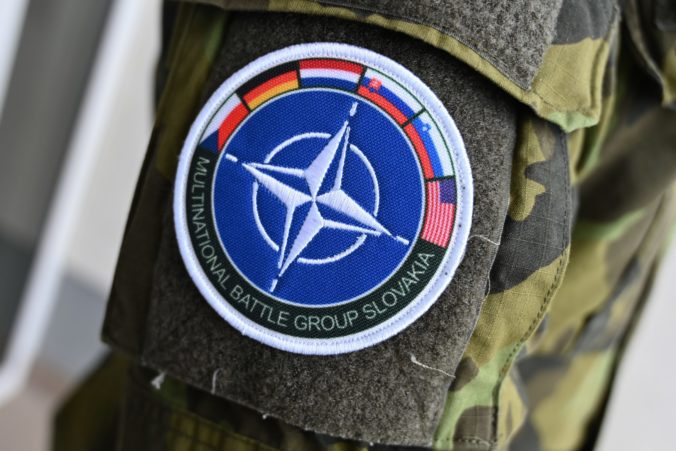
- NATO strengthens its global role amid changing threats
- Focus intensifies on collective defense and readiness
- Adapts to cyber and hybrid security challenges
- Unity among member states remains crucial
As global tensions rise, NATO is recalibrating its strategies to address evolving security challenges that stretch beyond conventional warfare.
Adapting to New Threats
The North Atlantic Treaty Organization (NATO) is navigating a transformative era, driven by the imperative to respond to novel security threats. Recent months have seen a heightened emphasis on collective defense, as member nations boost military spending, upgrade technology, and engage in joint exercises. This proactive stance reflects the growing uncertainty in various global hotspots.
The Significance of Unity
Despite internal differences, NATO’s core principle of collective defense remains a steadfast pillar. The alliance’s expansion into areas like cybersecurity and hybrid threats marks a strategic shift, acknowledging the changing nature of global conflicts. These new domains demand innovative approaches, underscoring the necessity for unity among member states.
Broader Implications
NATO’s evolving role also poses questions about its future, particularly in light of potential shifts in U.S. policy and the aspirations of other global powers. The alliance’s ability to balance traditional responsibilities with emerging challenges is crucial for sustaining global stability.
Looking Ahead
As NATO continues to adapt, its significance as a cornerstone of global security endures, albeit in a changing form. The alliance’s future hinges on its agility and resilience in the face of dynamic geopolitical landscapes.
Stay informed on global developments with Live World Updates.
Geografia: Europe, Belgium, Brussels
#GlobalSecurity #NATO #DefenseStrategy #AktualizovaneSpravodajstvo