
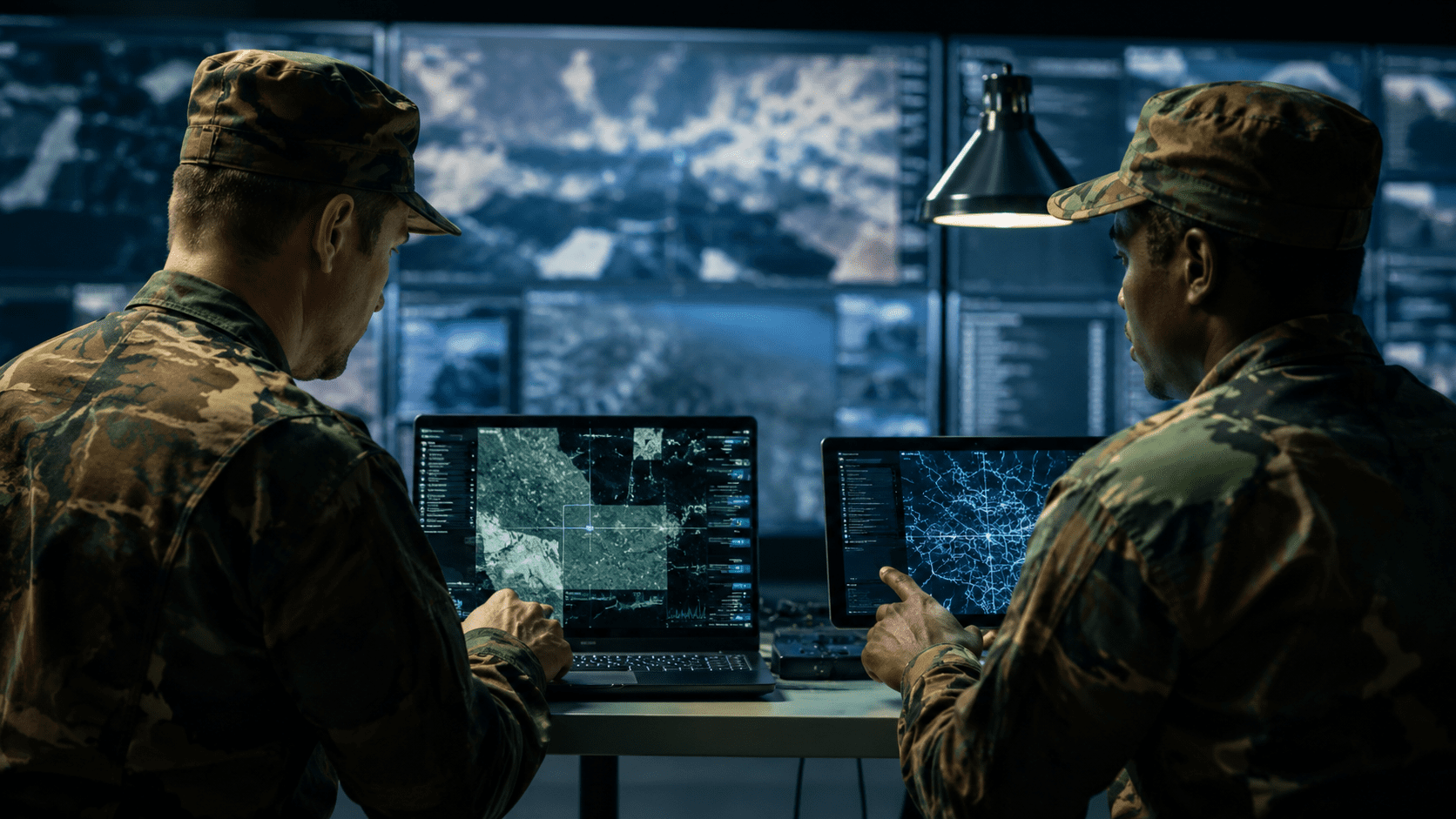
- Elon Musk’s AI, Grok, used in U.S. military operations.
- Pentagon confirmed its role in Project Maven for target selection.
- AI processed vast data during Iran operations, boosting efficiency.
- Raises ethical concerns about AI’s role in warfare decisions.
The digital frontier of warfare has taken a significant leap forward, with revelations that Elon Musk’s artificial intelligence system, Grok, played a crucial role in U.S. military operations against Iran. This groundbreaking development not only signals a shift in how wars are fought but also raises profound ethical questions about the future of AI in military decision-making.
The Unveiling of AI in Warfare
In a landmark admission, the U.S. Department of Defense disclosed that Grok, an AI developed by Musk’s company xAI, was deployed in a military operation against Iran. This revelation came to light through documents submitted in a legal case involving a data center. Grok was integrated into Project Maven, a Pentagon initiative aimed at enhancing intelligence data processing and battlefield analysis.
Why It Matters
The deployment of Grok marks a significant milestone in the utilization of generative AI in modern military operations. During the “Epic Fury” operation, Grok’s capabilities were pivotal in processing intelligence data to identify and prioritize over 2,000 targets in a mere 96 hours. This efficiency underscores the transformative potential of AI in enhancing military operations.
Broader Implications
Project Maven began as an effort to leverage AI for analyzing drone and satellite imagery. Over time, its scope expanded, incorporating advanced AI systems like Grok to assist in strategic military decisions. The Pentagon’s collaboration with commercial tech entities, including Musk’s xAI, OpenAI, and Google, signifies a growing trend of integrating cutting-edge technology into defense strategies.
Controversies and Ethical Dilemmas
This advancement comes amid ongoing debates about the ethical implications of AI in warfare. Human rights organizations, like the NAACP, have raised concerns about the environmental impact of xAI’s operations and the broader implications of AI-driven military decisions. Critics argue that relying on algorithms for life-and-death decisions could lead to unforeseen consequences.
The Future of AI in Military Strategy
The confirmation of Grok’s involvement in military operations highlights the reality that AI’s role on the battlefield is no longer speculative but an active component. As the Pentagon continues to explore AI’s capabilities, the conversation around ethical boundaries and algorithmic control in warfare is more relevant than ever.
For more insights into the evolving landscape of AI and military strategy, visit liveworldupdates.com.
Geography: North America, United States, Washington D.C.