
AI SUMMARY / What You Should Know Before Reading
- Russian authorities have announced new restrictions on Telegram.
- The move aims to shift users toward state-controlled digital platforms.
- Critics say the decision deepens censorship and online surveillance.
- It follows a long-standing conflict between the Kremlin and global tech firms.
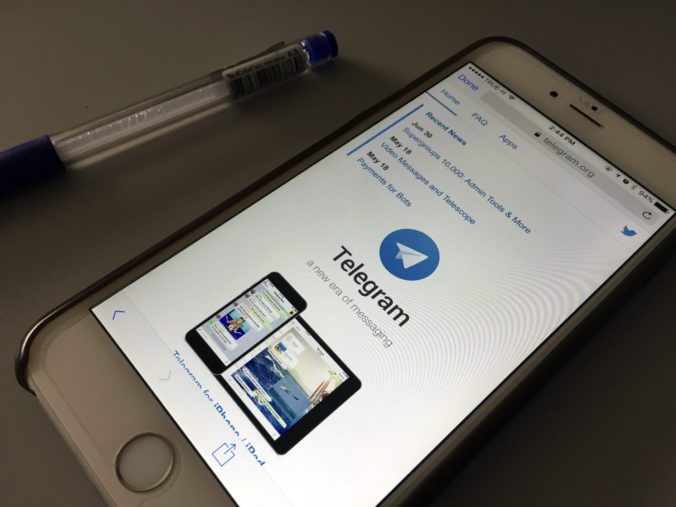
Russia is once again tightening its grip on the digital sphere. On Tuesday, the country’s media watchdog Roskomnadzor announced the introduction of restrictions on the messaging platform Telegram, accusing it of failing to comply with national legislation.
The announcement follows reports from users across Moscow and other regions who experienced noticeable slowdowns on the platform even before the official statement. Authorities insist the measures are necessary to enforce laws requiring user data to be stored domestically and to prevent digital services from being used for criminal or terrorist purposes.
A Broader Push for Digital Control
Human rights groups and independent analysts view the move differently. They argue that restricting Telegram is part of a broader effort by the Kremlin to expand online surveillance and limit spaces for dissent, particularly amid ongoing military operations in Ukraine.
Telegram occupies a unique position in Russia’s information ecosystem. While opposition voices rely on it to bypass state-controlled media, government agencies and senior officials also use it as a primary communication channel. This dual role has made the platform both indispensable and politically sensitive.
A History of Tensions
Russia has previously attempted to ban Telegram outright. The app was founded by Pavel Durov, a Russian-born entrepreneur now based abroad. After years of technical and legal battles, the ban was lifted in 2020, though relations between the company and Russian regulators remained strained.
Roskomnadzor has also targeted other global platforms in recent years, including WhatsApp, owned by Meta, and YouTube, operated by Google. These actions underscore Moscow’s broader push for “digital sovereignty” — reducing reliance on foreign technology firms while promoting domestic alternatives.
Whether Russian users will embrace state-run apps remains uncertain. For now, the latest restrictions signal that the Kremlin is prepared to escalate its efforts to reshape the country’s online landscape, even at the cost of further isolating itself from global digital platforms.