
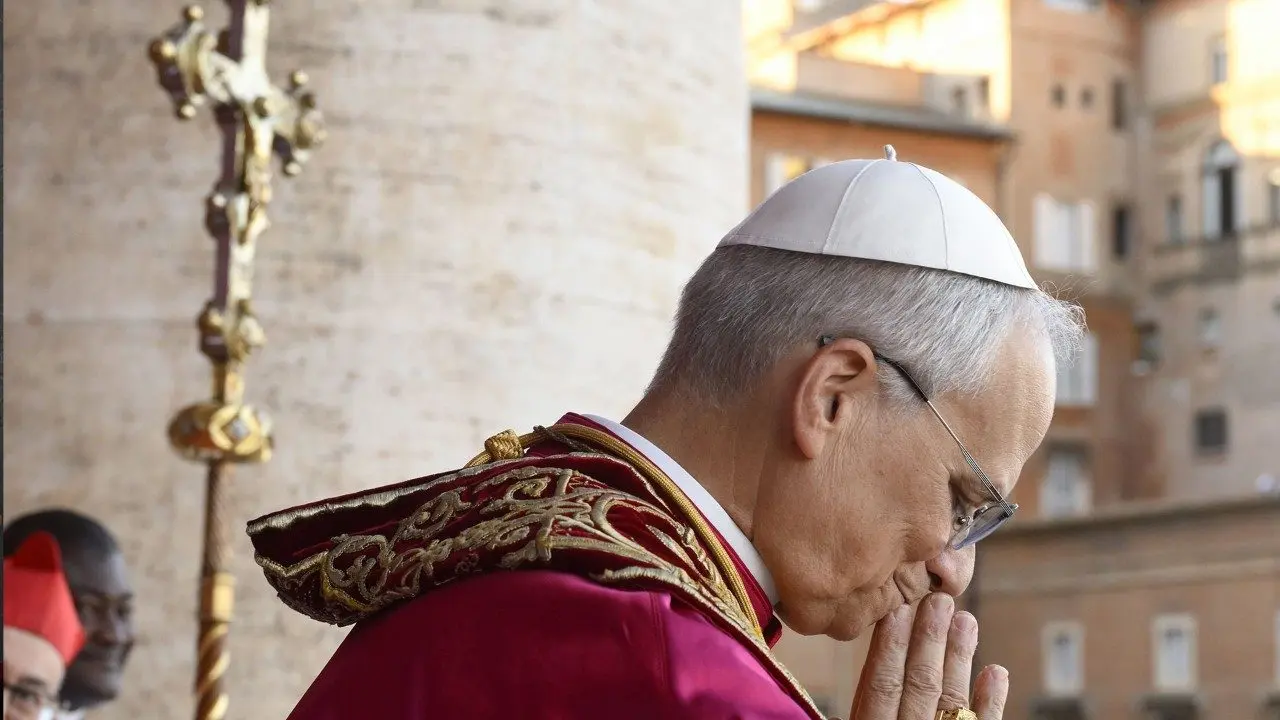
Introduction: A Papal Call for Peace
In a powerful public address, Pope Leo XIV unleashed a scathing critique against the ongoing aerial bombardments in conflict zones worldwide. The Vatican’s message comes at a time of escalating military operations, sparking a critical dialogue on the moral implications of modern warfare. As tensions rise in both the Middle East and Europe, the Pope’s call for peace and diplomacy resonates with urgent clarity.
Pope Leo XIV’s Sharp Critique
Pope Leo XIV has taken a historic stand against the use of aerial bombardments in military conflicts, warning of the “horrors that come from the sky.” His address, delivered in Vatican City, challenged the ethical foundation of military strategies that prioritize air power at the expense of civilian safety. “No military strategy can justify the suffering of innocents,” the Pope declared, advocating for a return to diplomatic solutions.
The Pope’s words underscore a significant moral dilemma: while aerial operations reduce risk for attackers, they often result in devastating consequences for civilians. The Vatican’s longstanding commitment to protecting civilian populations is central to this discourse, as highlighted by Leo XIV’s remarks on the human cost of modern conflicts, including traumatized generations of children.
Technological Warfare and Moral Responsibility
In an era where unmanned drones, guided missiles, and precision munitions dominate warfare, Pope Leo XIV’s message questions the morality of relying on technology to wage war. The Vatican warns that technological precision does not automatically equate to moral justification. This critique aligns with the Church’s advocacy for prioritizing humanitarian concerns over military objectives.
Leo XIV’s appeal extends to world leaders, urging them to reopen diplomatic channels and seek solutions outside military confrontations. His message highlights a broader trend of militarization in international relations, calling for a reevaluation of strategies that prioritize force over dialogue.
International Reactions and Implications
The international community’s response to the Pope’s address has been mixed. While some governments have reacted cautiously, others acknowledge the moral imperative outlined by the Vatican. Humanitarian organizations emphasize the increasing civilian casualties from aerial attacks, along with the destruction of critical infrastructure such as hospitals, schools, and residential areas.
The Pope’s message may influence public opinion in nations where support for military operations is divided, highlighting the moral responsibility of states to protect civilian lives. The Vatican’s communication with conflicting parties and support for humanitarian initiatives further solidifies its role as a moral compass amidst global tensions.
Historical Context and Global Consequences
This stance by Pope Leo XIV continues the Vatican’s historical opposition to the disproportionate use of force, a legacy dating back to World War II. His call for peace comes at a pivotal moment when military technologies evolve faster than diplomatic solutions, posing significant risks of regional destabilization, migration waves, and economic shocks.
As geopolitical tensions intertwine with energy markets and global security, the Vatican’s plea for courage in peace-making highlights the need for leaders to transcend political interests and pursue compromise. For ongoing geopolitical analyses and international reactions, follow updates on Live World Updates.
Geography of the Event
Continent: Europe
Country: Vatican City
City: Vatican City
#PopeLeoXIV #VaticanCity #AerialBombardment #GlobalPeace