
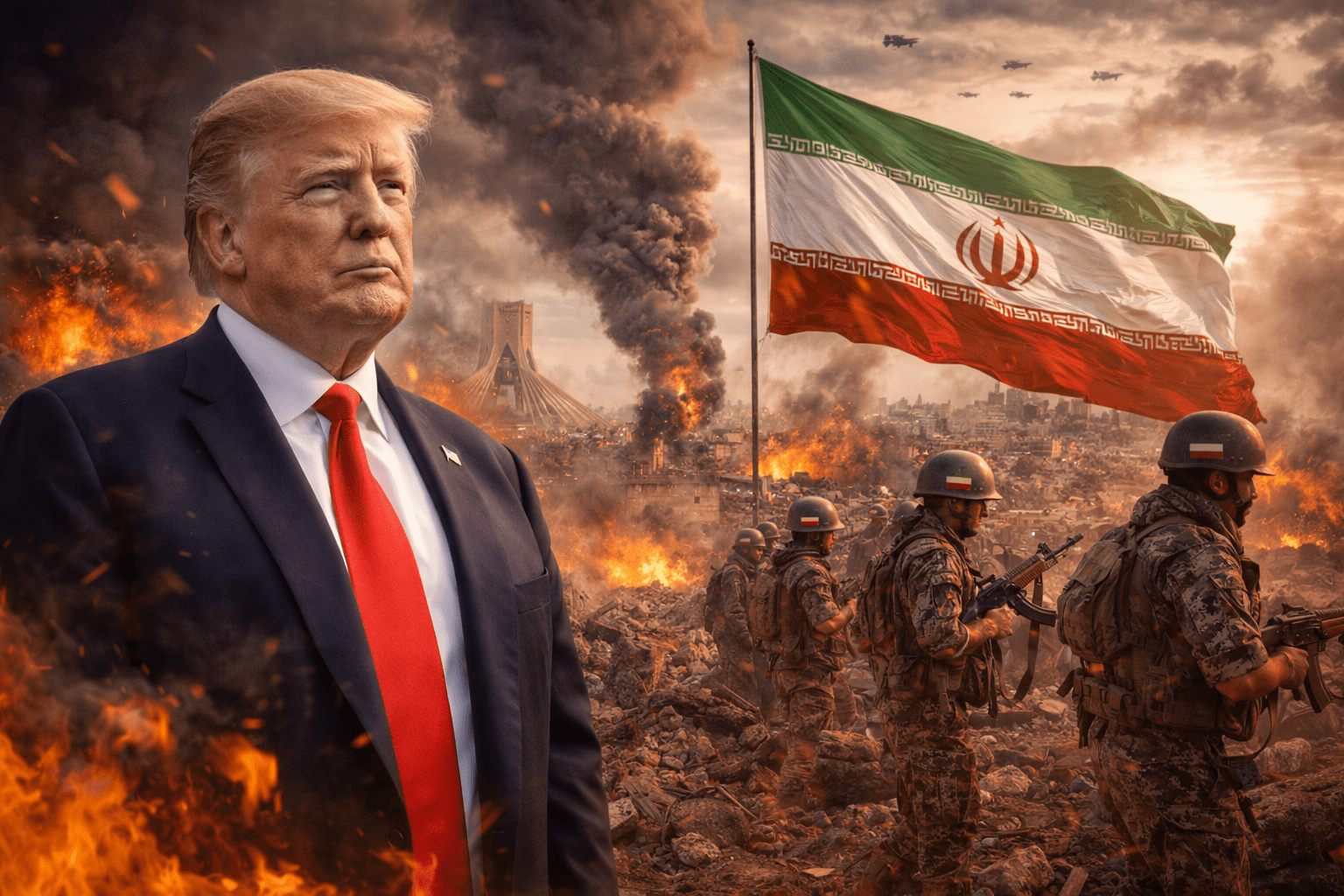
New Tensions Erupt in the Persian Gulf: Iranian Strikes on Kuwait and UAE
In a dramatic turn of events, the Persian Gulf is once again at the center of international tension as Iran launched a series of missiles targeting Kuwait and the United Arab Emirates. This unexpected military maneuver comes just hours after a ceasefire was declared between the United States and Iran, leaving experts and global leaders scrambling for answers. The strategic implications of this attack are profound, with the potential to unravel the delicate peace process and destabilize a region already fraught with historical conflicts.
The attack, according to regional security sources, was aimed at strategic locations near vital energy infrastructure—a critical component not only for the local economy but also for the global oil supply chain. Defense systems reportedly intercepted some of the missiles, but the incident has undoubtedly reignited fears of a broader conflict.
Live World Updates provides continuous coverage of this rapidly developing situation, highlighting the critical importance of the Persian Gulf as a geopolitical flashpoint. The region’s ability to impact global oil prices and energy security cannot be understated, making any military activity here a matter of international concern.
Strategic Importance of the Targets
Kuwait and the UAE are pivotal allies of the United States, hosting military installations crucial for safeguarding maritime navigation through the Strait of Hormuz. This narrow passageway is a key artery for the global energy supply, and any threat to its security is met with substantial international anxiety. The missile strikes were reportedly aimed at areas near infrastructure that facilitates oil exports, further emphasizing the strategic calculus behind Iran’s actions.
Although detailed assessments of the damage are yet to be disclosed, the mere occurrence of such an attack underscores the fragility of the recently brokered ceasefire. The potential for renewed hostilities looms large, casting a shadow over diplomatic efforts aimed at securing lasting peace.
Diplomatic Fallout
The missile strikes have triggered immediate diplomatic consultations among Gulf states, the United States, and European partners. While diplomatic channels remain open, the trust among these nations has taken a significant hit. Tehran has yet to officially comment on the specifics of the attack, but regional analysts suggest it may be a reaction to the ongoing economic sanctions and the continued U.S. military presence in the region.
This incident could further erode the already tenuous diplomatic relations in the Middle East, complicating efforts for a negotiated settlement and increasing the risk of miscalculations that could lead to broader military engagements.
Economic Impact and Global Implications
The energy markets have reacted with heightened volatility, with oil prices experiencing a temporary spike as investors factor in the risk of supply disruptions. Insurance rates for tankers traversing through high-risk zones have also surged, reflecting the increased perception of danger.
If such attacks continue or escalate, the global economy could face significant repercussions, ranging from inflationary pressures due to rising oil prices to a slowdown in economic growth as uncertainty grips the markets.
Potential for Wider Confrontation
The ceasefire was intended to usher in a period of stability; instead, the region finds itself teetering on the brink once more. The question now is whether this is an isolated incident or the beginning of a new phase in the long-standing conflict. In any case, the Persian Gulf reaffirms its status as one of the world’s most sensitive geopolitical hotspots.
Geography of the Event:
Continent: Asia
Countries: Iran / Kuwait / United Arab Emirates
Region: Persian Gulf
#IranTensions #PersianGulfCrisis #Geopolitics #MiddleEastConflict #AktualizovaneSpravodajstvo