
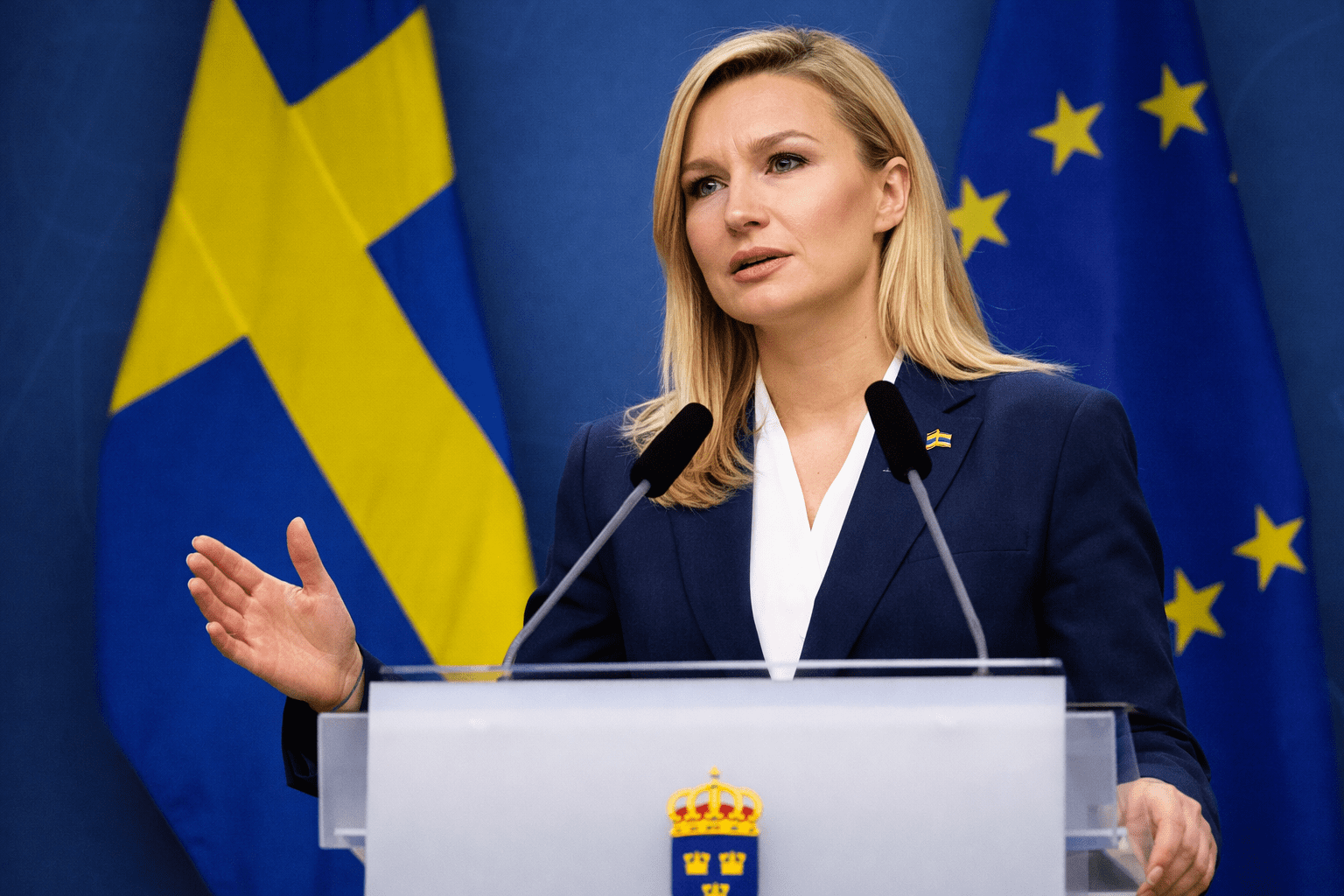
Statements by Sweden’s Deputy Prime Minister Ebba Busch, asserting that Islam must adapt to Swedish values to be welcome in the country, have ignited a wide-ranging public debate. Her comments have touched on sensitive issues of integration, religious freedom, and the limits of secular democracy, resonating far beyond Sweden’s borders.
Busch, who also leads the Christian Democrats, emphasized that all religious expressions must align with Swedish law, democratic institutions, and core societal norms. Supporters argue that her remarks were not an attack on religion but a call for shared civic principles—rule of law, gender equality, and respect for democratic governance—applicable to everyone living in Sweden.
Critics, however, warn that such rhetoric risks deepening social divisions and could be perceived as stigmatizing Muslim communities. They argue that framing integration primarily through religion oversimplifies complex social challenges and may undermine trust between minorities and the state.
The controversy highlights a broader European dilemma: how to balance the defense of liberal democratic values with the protection of pluralism and minority rights. As Sweden continues to navigate its multicultural reality, the debate underscores the political and social consequences of how leaders articulate national identity in an increasingly diverse society.