
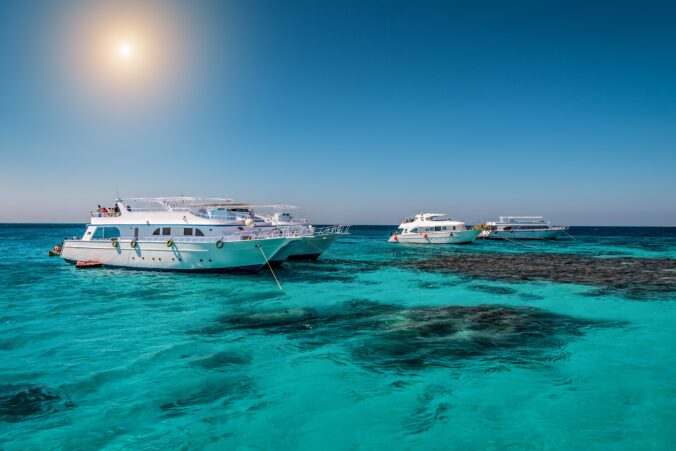
The sinking of a tourist excursion vessel in the Red Sea near the Egyptian city of Marsa Alam continues to have repercussions in 2026. The maritime accident, which occurred in late November 2024, claimed several lives and triggered a large-scale search and rescue operation. The boat was carrying international tourists, including, according to early reports, Slovak nationals.
Recent investigations released by Egyptian authorities have provided new insights into the cause of the disaster. Findings suggest that a combination of sudden weather changes, technical failures, and insufficient safety equipment played a decisive role in the sinking. In particular, the vessel’s stabilization systems were found to be inadequate for rough sea conditions, leading to a rapid loss of control.
Search and rescue efforts involved naval units, helicopters, and specialized diving teams. Despite extensive operations, several passengers were never found. In 2026, authorities officially concluded the search and legally declared the missing individuals deceased. For families and loved ones, this decision brought a painful but necessary sense of closure.
The incident prompted Egypt to introduce stricter safety regulations for tourist boats operating in the Red Sea. Mandatory technical inspections, improved emergency equipment, and tighter licensing requirements were implemented. International tour operators also reviewed their partnerships and strengthened safety criteria for maritime excursions.
The tragedy serves as a stark reminder of the importance of maritime safety in tourism. It has reignited discussions about accountability, oversight, and transparency within the sector. By 2026, the Marsa Alam disaster is widely regarded as a turning point that reshaped safety standards for tourist vessels in the region.
#Egypt #RedSea #BoatAccident #TourismSafety #MarsaAlam #MaritimeIncident #MissingPersons #SeaDisaster